
Iran's Surprise Attack Ends US Ceasefire: What It Means
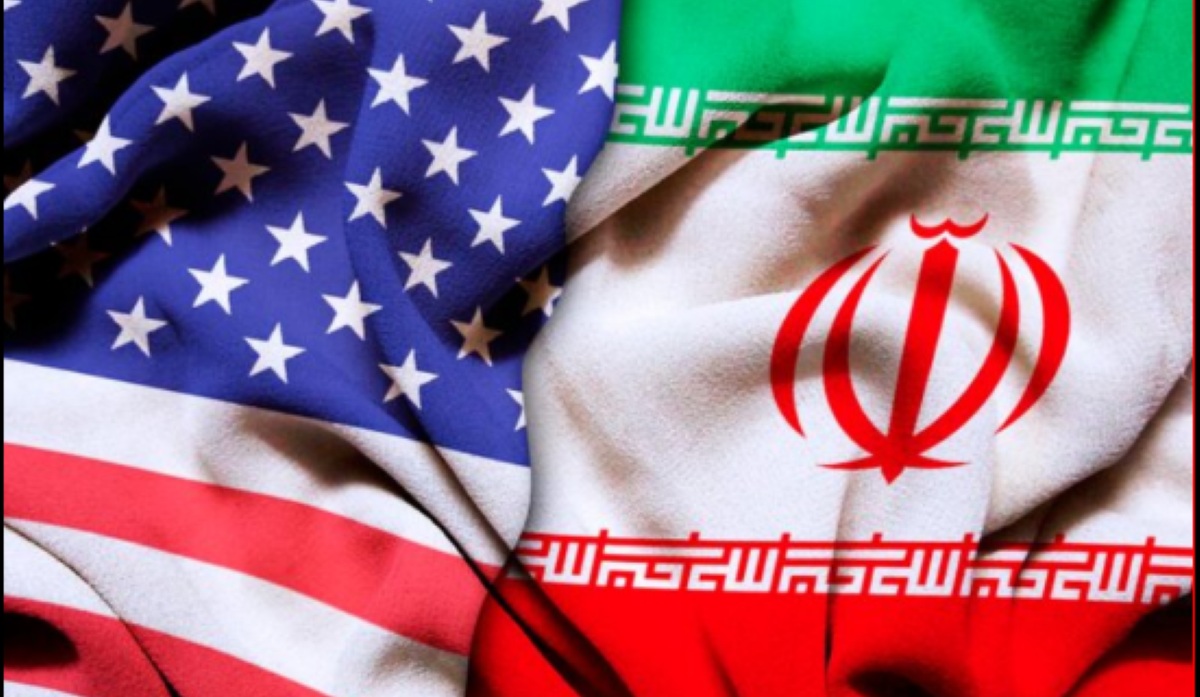
The ceasefire between the United States and Iran ended dramatically after Tehran launched what the Trump administration called a surprise attack. American forces in the Middle East reportedly had only minutes to shoot down the threat. The ballistic missile attack on Tuesday, 28 July 2026, threatened President Donald Trump’s months-long effort to de-escalate the conflict following negotiations. Responding to the incident, Trump issued a stern statement via Fox News, vowing that the US would retaliate with full force. “We will hit them very hard because now it is our turn to hit. They know it is coming,” Trump told reporters at the White House.
U.S. Central Command confirmed on Tuesday evening that it coordinated with the Saudi Arabian armed forces to strike Iran-affiliated militants in Iraq. The strikes targeted the group responsible for drone attacks against American troops and Saudi energy infrastructure. Saudi Arabia’s involvement marks a new chapter in the conflict. The Saudi Ministry of Defence stated the strikes were a response to threats against their oil and gas facilities. The move has sparked expert concerns about a broader regional war in the Middle East.
The conflict has claimed American lives. Two US soldiers were killed in the attack in Jordan, including Private Isabella Gonzalez. These deaths bring the total number of US troops killed in the conflict with Iran to 20. The ceasefire, which had lasted several weeks, collapsed in early July, triggered by the resumption of US bombing campaigns in response to Iranian attacks on commercial vessels in the Strait of Hormuz.
Behnam Ben Taleblu, senior director of the Iran programme at the Foundation for Defense of Democracies, assessed that the attack aimed to drag the US into a protracted war. “The Iranian regime assumes that because America is a responsible and restrained power, it will eventually give in,” Taleblu said. However, he warned that Trump’s willingness to take military risks has emboldened Tehran to escalate in order to test American resolve, especially ahead of the midterm elections.
Trump now faces a difficult choice. Experts advise against targeting civilian infrastructure such as bridges or power plants, which could be categorised as war crimes. Instead, strikes are recommended to focus on paramilitary centres, military bases, or Iranian judicial institutions. Emily Harding of the Center for Strategic and International Studies noted that the pattern of attacks and threats is a way for both sides to seek bargaining power in future negotiations. “Trump believes he can achieve peace through strength. He will keep hitting until the opponent makes concessions,” Harding explained. The situation in the Middle East is predicted to remain unstable until the end of the year, with the possibility of a larger military escalation after November.