
Iran's Secret Plan to Escalate War with the US
After United States President Donald Trump signed a memorandum of understanding (MoU) with Iran in mid-June, US government officials immediately moved to build support for an agreement hoped to reopen the Strait of Hormuz and end the war. However, hardline leaders in Tehran were drawing up a very different plan.
According to Iranian and Arab officials, Tehran views the pact merely as an effort by the United States and Israel to ease pressure on the global economy while buying time for a larger future attack. Instead of placing trust in the negotiating table, Iran has used the past two months to prepare for a wider battle.
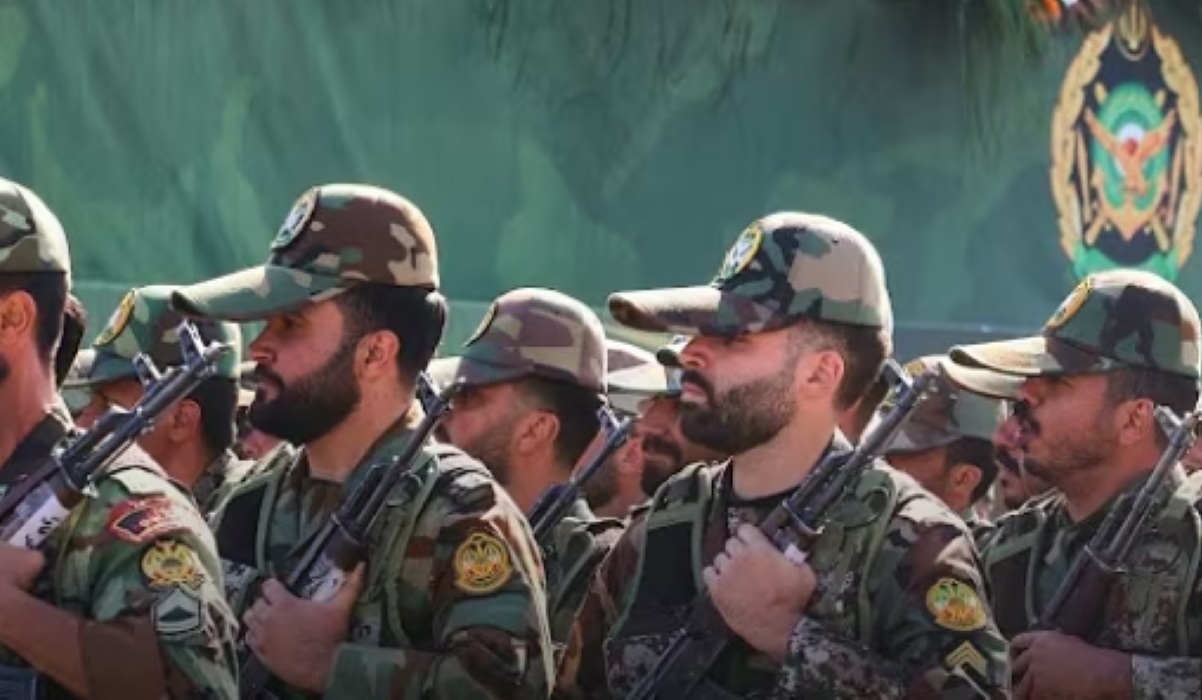
Iran’s preparations include granting the Islamic Revolutionary Guard Corps (IRGC) greater control over the country’s regular army. Supreme Leader Mojtaba Khamenei has also appointed veterans of the Iran-Iraq war and figures involved in internal crackdowns to key positions, expanded domestic counter-intelligence operations, and ramped up missile and drone production.
The move was immediately followed by action on the ground. Iran attacked ships to tighten its grip on the Strait of Hormuz and expanded the battlefield to the Red Sea, a route long used by Saudi Arabia to avoid Iran’s blockade in the Persian Gulf.
Mohammad Hassan Sangtarash, a defence analyst close to the Iranian government, said there is a widespread view in Tehran that the main war has not yet begun. What is happening now is interpreted as salami-slicing tactics, a gradual escalation designed to weaken the enemy’s capabilities before a major confrontation occurs.
The preparations reveal a deep chasm in perception between Washington and Tehran. This distrust has made Iranian leaders reluctant to close a permanent deal, an attitude that has frustrated Trump to the point of calling them crazy and liars.
Behind the scenes, Khamenei has positioned seven key security leaders to run the overhauled military institution. Some key appointments include:
Arab intelligence found evidence that the IRGC sent commanders to Houthi-controlled areas of Yemen to plan a confrontation with Saudi Arabia, including a target list of energy facilities and ports. There are even concerns about a ground operation in Kuwait after local security forces intercepted six IRGC personnel on an island near the Iraqi border in May.
Although the more pragmatic President Masoud Pezeshkian has warned of the risk of economic collapse if sanctions are not lifted, the military faction remains in control. Efforts by mediators through Oman to open a route in Hormuz were blocked by the Revolutionary Guard, which instead resumed attacks on commercial ships.
Now, with negotiations deadlocked, Trump has chosen to reapply pressure through economic sanctions and a naval blockade. Tehran, however, appears to be preparing for a survival economy.
Mehdi Mohammadi, a strategic adviser to Iran’s negotiating team, described the current situation as the calm before the storm. He stressed that the push for conflict is also fuelled by a blood revenge project over the death of Supreme Leader Ali Khamenei (Mojtaba’s father) at the start of the war.
“The Iranian nation still has much unfinished business with Trump,” he asserted.