
Iran's Ports Blockaded, Iran Threatens to Retaliate Against the US
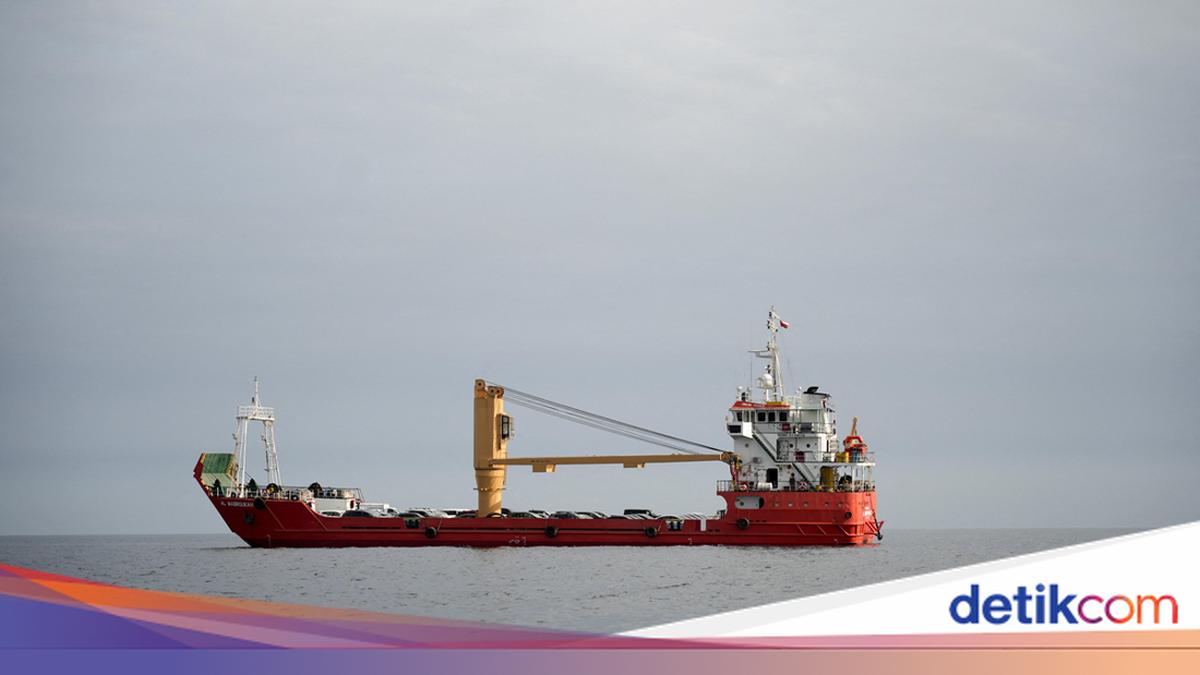
Ali Abdollahi, commander of Iran’s Khatam al-Anbiya Central Headquarters, the highest operational command in the Iranian armed forces, issued a warning to the United States. According to him, if the US continues the blockade and causes “insecurity for Iranian commercial ships and oil tankers”, that action would become “a prelude to a violation of the ceasefire”. Abdollahi emphasised that the Iranian armed forces would not allow “exports or imports to proceed in the Persian Gulf, Gulf of Oman, and Red Sea”. He did not specify which countries would be affected, but the mentioned waters cover a vast region. The US military’s blockade of Iranian ports to open the Strait of Hormuz officially began on Monday (13/04) at 10:00 ET or 21:00 WIB. Two days later, the US military stated that “no ships successfully passed the blockade” in the first 24 hours. Six commercial vessels were forced to turn back in the Gulf of Oman. The US Central Command (CENTCOM) stated that the blockade was carried out on the orders of President Donald Trump. The operation aims to prevent ships from sailing to or from Iranian ports in the Persian Gulf and Gulf of Oman east of the Strait of Hormuz. Meanwhile, Iran has warned that no ports in the region will be safe if Iran’s security is threatened. Based on a notice issued by CENTCOM to sailors and reported by Reuters, ships entering or leaving the blockaded area without permission will be intercepted, diverted, or detained. Nevertheless, ships carrying food and medicine are still allowed to pass, provided they undergo inspection procedures. Satellite images show that the aircraft carrier USS Abraham Lincoln has been on standby in the eastern Gulf of Oman, about 200 km south of Iranian waters, since Saturday (11/04). In addition to deploying the carrier, the US military has dispatched two destroyers carrying cruise missiles. Previously, US President Donald Trump threatened to impose a naval blockade on Iranian ports after negotiators from both sides failed to reach an agreement in Islamabad to end the war. “No one who pays illegal fees will get a safe passage on the high seas,” Trump wrote on Truth Social. He also stated that the US would continue clearing mines in the Strait of Hormuz to ensure the safety of allied shipping. The US military, he added, is in a “combat-ready” position and prepared to continue attacks on Iran at the “appropriate time”. What is China’s reaction to the US move? The Chinese government described the US blockade of Iranian ports as an “irresponsible and dangerous” action. Beijing’s Foreign Ministry assessed that the step would “undermine the already fragile ceasefire agreement” while further threatening the safety of ships passing through the Strait of Hormuz. So far, Chinese ships are among the few that have successfully passed through the strait. It is unclear whether China has to pay certain fees to Iran to pass. The US blockade has the potential to cut off supplies to China and cause widespread impacts on its economy. “China believes that only by achieving a comprehensive ceasefire and ending the war can we fundamentally create conditions to de-escalate the situation in the strait,” said spokesperson for China’s Foreign Ministry, Guo Jiakun. He added, “China urges all parties to abide by the ceasefire arrangements, focus on the general direction of dialogue and peaceful negotiations, take concrete steps to promote regional de-escalation, and restore normal traffic in the strait as soon as possible.” What is Iran’s reaction? The latest statement came from Iran’s Foreign Minister, Abbas Araghchi, who said that the US and Iran were actually “one step away” from reaching an agreement in peace talks in Pakistan. However, according to him, Tehran was then faced with a “maximalist stance, constant changes in demands, and blockade threats”. Mohammad Bagher Ghalibaf, Iran’s parliamentary speaker who led the negotiations in Pakistan, mocked the US decision. In a post on platform X, he wrote: “Enjoy the current pump prices. With what is called a ‘blockade’, soon you will be nostalgic for $45 US gasoline.” In a previous statement carried by Iranian media, Ghalibaf also emphasised that Iran would not “yield to threats”. In response to President Trump’s earlier threat to blockade “every and all ships” attempting to enter or exit the Strait of Hormuz, the Iranian navy stated that any military vessel approaching those waters would be dealt with “harshly”. What did Trump say about the Iranian port blockade? In a post on Truth Social on Sunday (12/04), Trump said that the US would begin “BLOCKADING every and all ships attempting to enter or exit the Strait of Hormuz”. “I have also instructed our Navy to search and intercept every ship in international waters that has paid fees to Iran. No one who pays illegal fees will have safe passage on the high seas,” Trump said. He added that the US would also begin destroying mines that he believes Iran has placed in the strait. “Every Iranian who shoots at us, or peaceful ships, will be BLOWN TO HELL!” he continued. Trump said that “at some point” an agreement would be reached.
Source: jawawa.id (https://jawawa.id/newsitem/irans-ports-blockaded-iran-threatens-to-retaliate-against-the-us-1776311449)
Originally published by detikcom (https://news.detik.com/bbc-world/d-8446467/pelabuhan-pelabuhannya-diblokade-iran-ancam-balik-as), translated from Indonesian