
Iran's Oil Exports Surge, Prices Higher Than Before the War
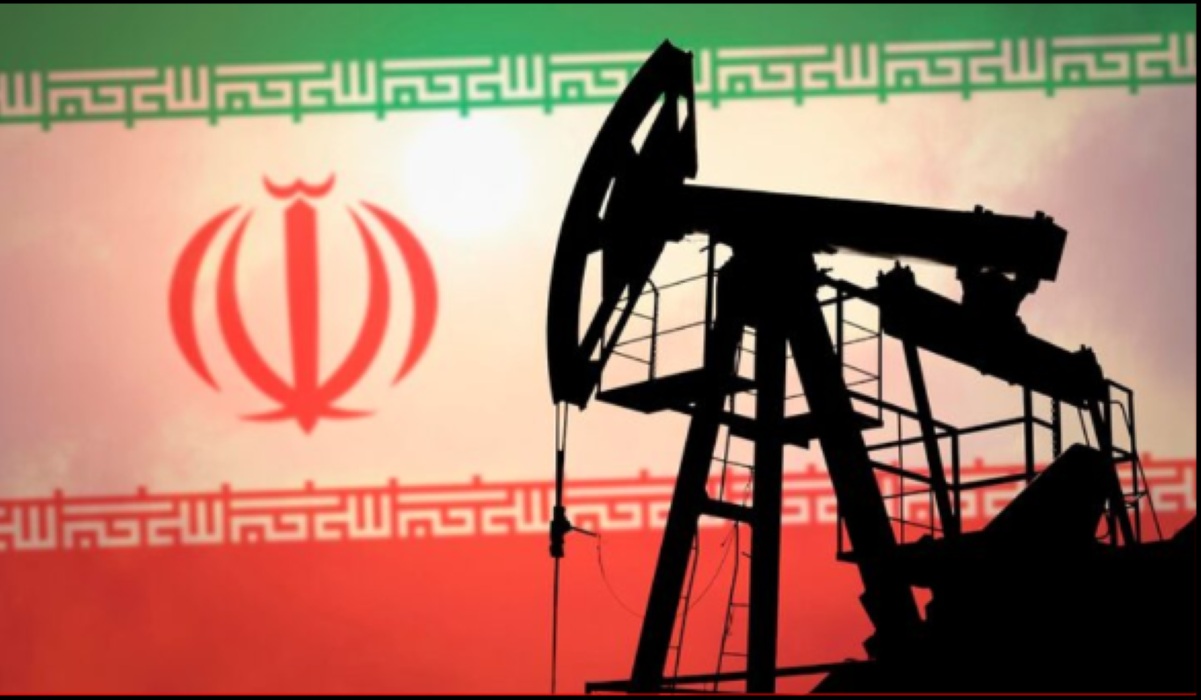
Iran has reported exporting more than 40 million barrels of crude oil since the United States lifted the maritime blockade at Iranian ports. The Speaker of Parliament and Iran’s chief negotiator, Mohammad Bagher Ghalibaf, stated that Iran is currently selling oil at prices approximately 20% higher than the pre-war period.
This surge in exports follows the signing of a Memorandum of Understanding (MoU) between the US and Iran on 17 June 2026 to end the conflict that lasted nearly four months. The agreement includes the reopening of the Strait of Hormuz and the establishment of a 60-day negotiation period to draft a permanent peace treaty.
The ceasefire has triggered a surge in crude oil shipments through the vital waterway, which had previously come to a total standstill during the conflict. “Since the day the maritime blockade was lifted, we have exported more indeed more than 40 million barrels of oil,” Ghalibaf said in a televised interview broadcast via his Telegram channel on Tuesday (30/6).
Ghalibaf added that during the two months the blockade lasted before the agreement was reached, Iran was completely unable to export a single barrel of oil. Meanwhile, the tanker tracking firm TankerTrackers.com provided a higher estimate, reaching 50 million barrels in the last two weeks, based on satellite imagery and real-time Automatic Identification System (AIS) monitoring.
In the global market, Brent crude oil prices were trading in the range of US$73 per barrel on Wednesday (1/7). This figure represents a decline of almost 40% from the price peak during the war, which reached US$118 last April. The price drop was driven by diplomatic progress and expectations of returning supplies from the Gulf.
Gregory Brew, a senior analyst at Eurasia Group, noted that before the war, Iranian crude oil was typically sold at a discount of US$10 to US$15 below Brent prices to compensate for the sanctions risk faced by buyers. However, current conditions indicate a strengthening of Iran’s bargaining position in the energy market.
Under the MoU, Iran has agreed to allow ships to pass through Hormuz free of toll charges for 60 days. However, Ghalibaf emphasised that administrative control remains in Tehran’s hands. “The sovereignty of the Strait of Hormuz lies with Iran and Oman. Traffic in the strait is subject to regulations determined by Iran,” he asserted.
Beyond oil issues, Ghalibaf refuted claims by US President Donald Trump that liquidated Iranian assets would be used to purchase American agricultural products. Of the total approximately US$24 billion in assets frozen abroad, Ghalibaf stated that US$12 billion (around Rp196 trillion) would be transferred to the Central Bank of Iran.
“These funds will be used to purchase whatever goods the country requires, at any price and in any currency in the world,” Ghalibaf concluded.
As of now, the governance mechanism for the Strait of Hormuz after the 60-day transition period ends has yet to be clarified. Ships are currently traversing the strait via the southern corridor along the coast of Oman or through the northern route controlled by Iran.