
Iran's New Bill: Contact with Foreign Parties Could Be Criminalised
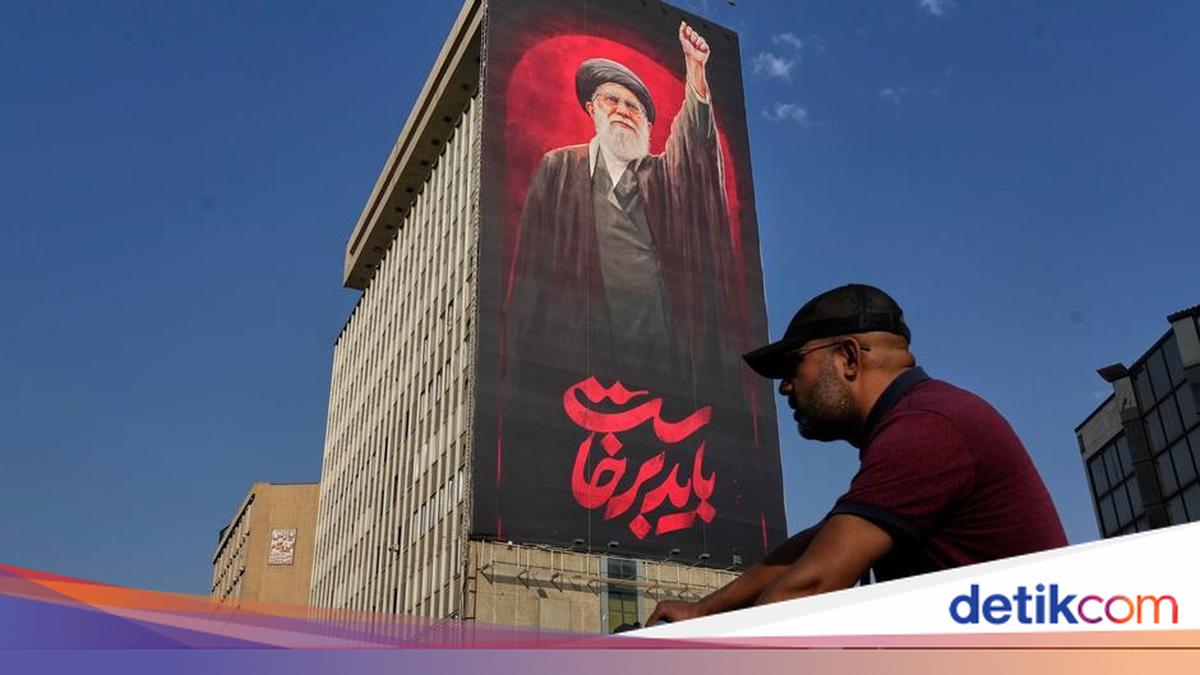
Iran’s parliament recently approved the outline of a bill imposing new restrictions on contact with foreign institutions, media, and organisations, as the government seeks to expand its legal framework to combat what it calls ‘foreign influence’. In the version approved on Sunday (16/08), contact with foreign media, cooperation with universities and research institutions abroad, communication with foreign embassies and organisations, and the receipt of financial assistance from overseas could be prohibited, require prior authorisation, or be subject to criminal sanctions.
The bill must still receive final approval and be ratified by the 12-member Guardian Council before becoming law. Although Iran formally holds parliamentary elections, every candidate must be approved by the Guardian Council, which is not elected and is loyal to the ruling clerics of the Islamic Republic.
Supporters of the bill say the rules are necessary in response to the increasing activities of foreign intelligence agencies, governments, and institutions. They also argue that, while espionage is already regulated under Iranian law, there is no clear legal framework for dealing with foreign ‘influence’.
Access to information in Iran is already heavily restricted. Sina Yousefi, an Iranian lawyer and legal expert based in Germany, said the rules do not provide a clear boundary between legitimate contact and foreign influence in many of their provisions. The interpretation of that boundary is ultimately left to security agencies and the courts.
‘When a citizen does not know whether speaking to foreign media, cooperating with a foreign university, or sharing information could later be considered a criminal act, this law creates an atmosphere of fear and uncertainty,’ Yousefi told DW.
Iran already has one of the most repressive media environments in the world. The country is ranked 177th out of 180 countries in the 2026 World Press Freedom Index by Reporters Without Borders (RSF). The government controls all broadcast networks, while foreign media are banned from broadcasting from Iran. The government also frequently blocks the internet and social media during civil unrest, as occurred in the crackdown on demonstrations in January 2026 that left several people dead.
Obtaining information from inside Iran is extremely difficult. Reporters Without Borders (RSF) classifies access to information in Iran as ‘very restricted’. Reporters work amid attacks while also facing pressure from state institutions.
Parviz Yari, a Germany-based journalist and senior researcher at Defending Free Flow of Information (DeFFI), a non-profit organisation that monitors intimidation of journalists in Iran, said the bill is a continuation of the Islamic Republic’s efforts to restrict freedom of expression.
‘The Islamic Republic has used various means and methods to disrupt the flow of information and restrict freedom of expression. However, the development of social media as well as the activities of media and human rights organisations outside Iran have reduced the impact of the government’s official narrative on public opinion,’ Yari told DW.
Yari said the bill could also make it increasingly difficult for independent media and international organisations to obtain information from inside Iran. ‘Criminalising new forms of activity by journalists, citizens, and researchers is, on the one hand, an attempt to limit the access of independent media and international organisations to direct sources. On the other hand, it is an attempt to expand the reach of the Islamic Republic’s propaganda machine,’ he said.
Part of the bill stipulates prison sentences of between six months and two years for those who interview or speak with media deemed ‘hostile to the Republic’, according to the Reuters news agency. Yari warned that the impact on journalists and researchers could be very significant if the bill is passed into law.
‘If finally approved, this bill will criminalise various forms of contact with opposition media and international organisations on an unprecedented scale. The aim is clear: to disrupt the professional work of journalists and researchers, tighten the state’s monopoly on information, and strengthen the government’s official narrative,’ Yari said.
One of the most significant provisions of the bill, however, relates to scientific and academic cooperation with foreign parties. Article 5 requires the Ministry of Intelligence to publish an annual list of foreign universities and institutions authorised to conduct scientific and research cooperation. Cooperation with institutions not on the list would be prohibited. Sending medical, research, and archaeological samples to unauthorised foreign institutions could also be subject to criminal sanctions, including prison sentences. This provision essentially makes a number of forms of international academic cooperation dependent on the approval of the Ministry of Intelligence.
The bill also expands restrictions on civil society. Several forms of foreign funding, contracts, and cooperation involving non-governmental organisations, associations, and political parties would require approval from a committee involving government ministries and security agencies.
Lawyer Yousefi warned that the uncertainty created by the bill could deter academics, researchers, and civil society groups from pursuing international cooperation. ‘When cooperation with foreign universities, attending educational courses, communicating with international organisations, or supporting civic activities can be considered a crime, the result is self-censorship and the isolation of Iranian society,’ he said.