
Iran's leader urges domestic production, reduced dollar dependence
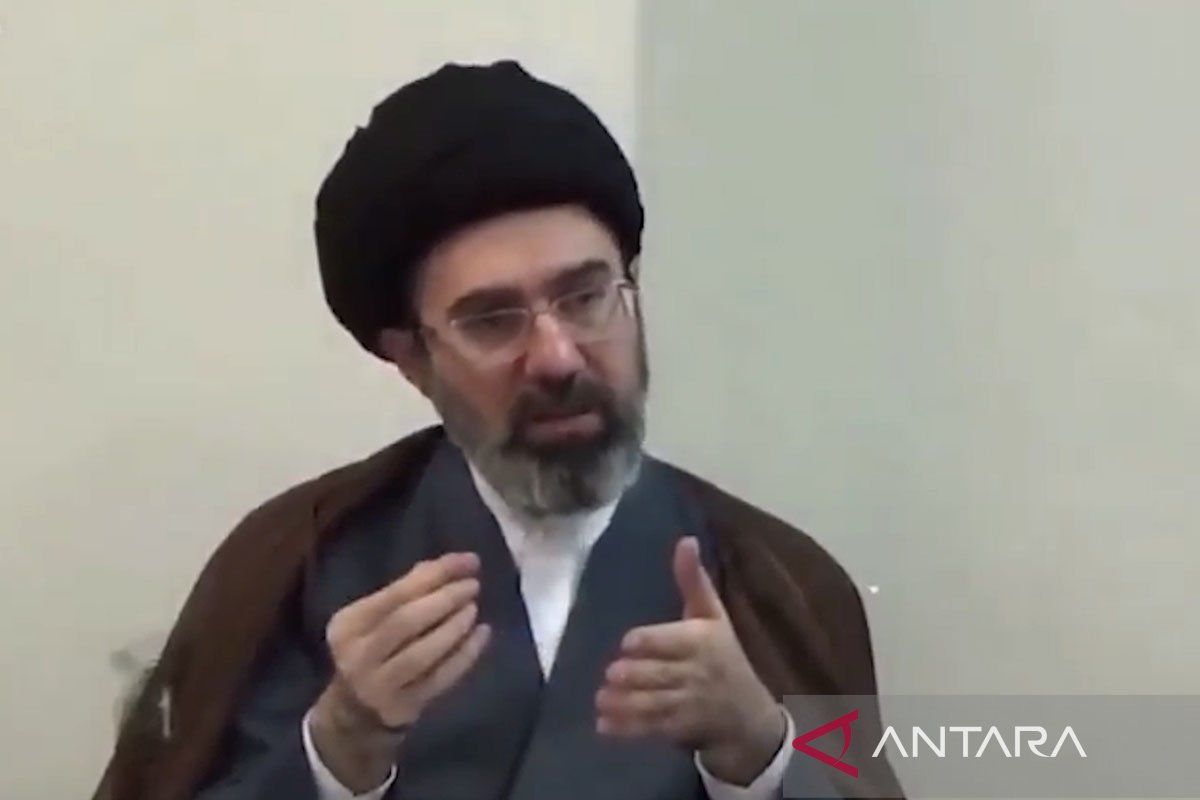
Iran’s Supreme Leader, Mojtaba Khamenei, said on Friday (28/8) that increasing reliance on domestic production is the key to overcoming the country’s economic problems, while calling for a gradual reduction in the dominant role of the dollar in the economy.
In a message marking Iran’s Government Week, Khamenei urged the government to give “serious attention” to interconnected economic and livelihood challenges, including inflation, unemployment, price controls, and the regulation of goods and services markets.
He also called for efforts to promote economic growth, increase investment and direct it towards beneficial and essential sectors, boost production, and place the “resistance economy” policy at the core of the government’s economic agenda.
“The main key to resolving all these problems lies in increasing reliance on domestic production,” he said.
Khamenei stressed the importance of ensuring adequate supplies of staple goods and special commodities. He stated that imports should be used “appropriately and wisely” when domestic production is insufficient.
It is known that Khamenei assumed leadership after the assassination of his father in a US-Israeli attack, but has not been seen in public since then.
Promoting production while managing imports and prices can gradually reduce the “dark spots” in Iran’s economy until they disappear completely, he added.
The Iranian rial’s exchange rate slumped to a new record low against the US dollar, breaching 2 million rials per dollar on the free market this week, as Washington imposed additional sanctions to cripple Iran’s economy.
Khamenei called for the application of technology and innovation proposed by Iran’s young elite, saying that their timely utilisation could yield significant progress in agriculture, industry, communications, education, and other fields.
He said that smarter management, greater involvement of specialists and technology experts, and the activation of new capacities could help drive Iran towards economic expansion and development.
The supreme leader also praised the government’s efforts during wartime in providing essential goods and services, repairing damaged critical facilities, and managing energy supplies amid tightening sanctions and blockades.