
Iran's Economic Suffering to Persist for Years Despite End of War
Iran and the United States have reportedly signed a memorandum of understanding (MoU) to end the war and reopen the Strait of Hormuz, earlier than initially planned. Two US officials stated the document was signed electronically and is now in effect, with President Donald Trump personally signing it. The signing was originally scheduled for Friday in Switzerland, but diplomatic sources said both sides agreed to accelerate the process to allow the strait’s immediate reopening.
However, the cessation of hostilities does not signal a swift economic recovery for Iran. Food prices have surged 131% over the past year, and up to 2 million people are estimated to have lost their jobs, with 360 applicants now competing for a single vacancy. For many Iranians, the end of war does not mean the end of crisis, as the greatest costs often emerge after the bombs stop falling.
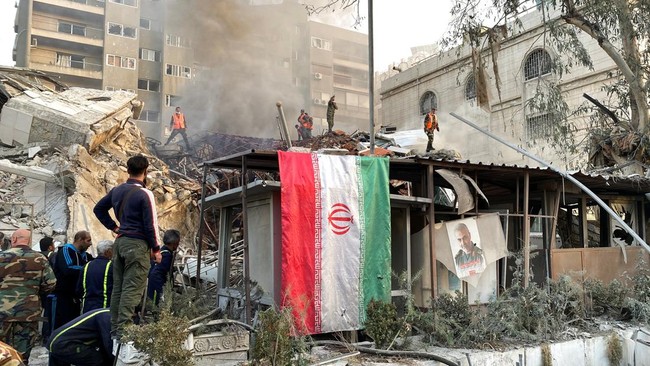
The Foundation for the Defense of Democracies estimates total economic damage from the conflict at roughly US$144 billion, equivalent to nearly half of Iran’s gross domestic product. This bill includes damage to factories, oil refineries, steel plants, and petrochemical facilities that form the backbone of the nation’s industry. Rystad Energy estimates the cost of repairing energy facilities alone could reach US$19 billion. With damage on this scale, Iran’s challenge is not merely halting the conflict but rebuilding its economic capacity.
Official data from the Statistical Center of Iran shows annual inflation breached approximately 50% by March 2026, up from 48.6% in October 2025. The Central Bank of Iran reported inflation hitting 53.9% by May 2026, and the International Monetary Fund projects an average rate of 68.9% for the year, placing Iran among the world’s highest inflation nations. Food prices have risen even faster, at 131%, forcing some citizens to buy bread and meat on instalment plans. President Masoud Pezeshkian acknowledged the strain in late May, stating the main battleground is now the economy and people’s livelihoods.
Labour market pressures are intensifying. Deputy Labour Minister Gholam-Hossein Mohammadi estimated around 2 million job losses, equivalent to about 7% of the national workforce. The economic daily Donya-e Eqtesad reported that applicants per job listing on the JobVision site doubled to 360. Supply chain disruptions are also severe, with some 3,000 containers bound for Iran stranded at Pakistani ports since mid-April and wheat shipments to Bandar Imam Khomeini, a key agricultural port, dropping 40%.
Iran’s vital oil sector has been crippled. Data from Vortexa shows crude exports fell 84% month-on-month to just 209,000 barrels per day in May, while Kpler data indicates usable storage capacity is around 83% full. Iran also halted petrochemical exports after its largest petrochemical facility was attacked in April; the sector previously accounted for roughly one-third of non-oil exports.
Amid this pressure, a figure of US$300 billion has captured market attention as the potential investment needed to rebuild Iran’s economy if broader negotiations between Tehran and Washington succeed. The amount is equivalent to Iran’s annual GDP and briefly strengthened the rial after the MoU was announced. However, President Trump has denied his administration will invest directly, and sanctions relief required to attract foreign investment faces potential political opposition in Washington. For now, the US$300 billion figure remains closer to a possibility than a certainty, and Iran’s road to recovery is still long.