
Iran's Economic Crisis: Decent Living Becomes a Nightmare Amid Sanctions and War
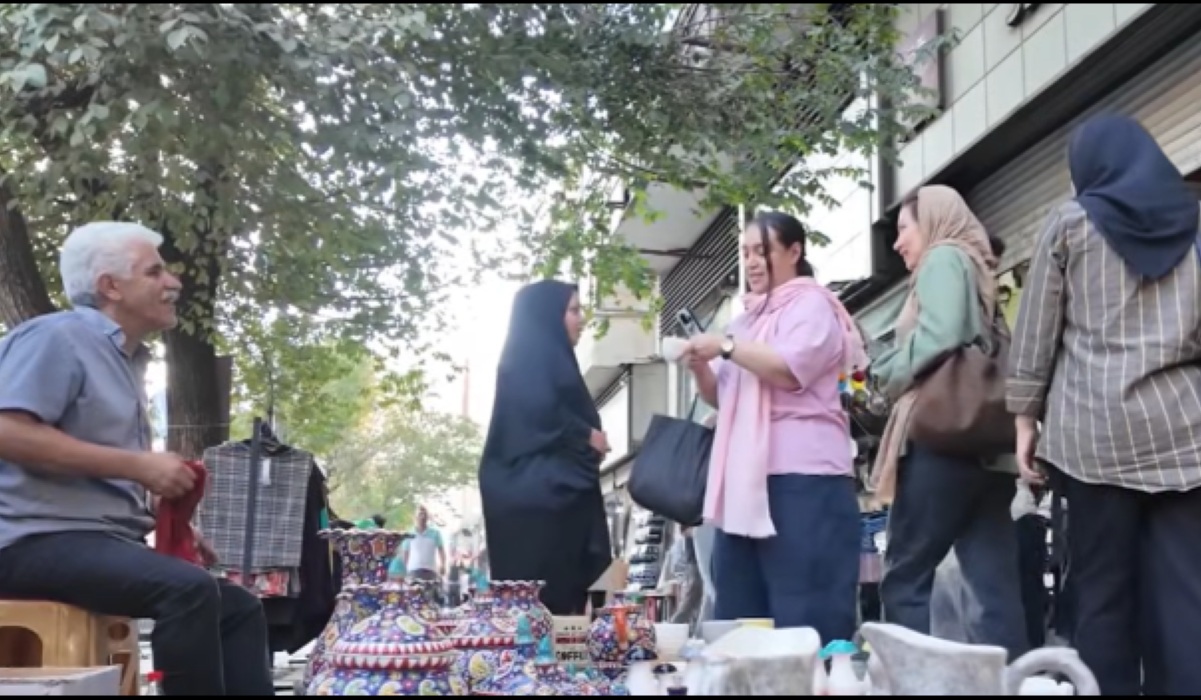
For many families in Iran, living a dignified life now feels like a distant dream. The Iranian youth, particularly those born after the 1979 revolution, often describe themselves as a ‘burnt generation’. They have grown up amidst endless political and economic turbulence, ranging from the US embassy hostage crisis to the eight-year war with Iraq.
Now, in 2026, the situation is worsening. Bardia, a 23-year-old in East Tehran, reveals that his generation feels their fate is worse than that of their predecessors. Increasingly stringent sanctions have created a volatile labour market and suffocating inflation.
“Becoming independent, starting a family, buying a house, a car, or even a new mobile phone is becoming a dream that drifts further away every day,” Bardym told Al Jazeera.
Decades of domestic mismanagement and corruption, coupled with external interventions, have made life difficult for approximately 90 million Iranians. The situation has been exacerbated since conflicts with the United States and Israel broke out on 28 February. Months of bombing, naval blockades, and intensified sanctions have paralysed the nation’s economy.
Last week, the government raised fuel prices, which is predicted to trigger further inflationary effects. For Bardia’s family, survival is a daily struggle. His retired father is forced to work as an online transport driver using an old car, while his mother sews at home for extra income.
With a total family income of around 800 million rials (approximately Rp5.5 million or US$350) per month after subsidies, they must face the surge in basic commodity prices. “We might only buy meat once every six to eight weeks,” said Bardia. They can no longer afford new clothes or household appliances, and they dread any medical bills that might disrupt their budget.
Data from the Statistical Centre of Iran shows that by the end of August, year-on-year inflation reached 89%, while food inflation surged to over 127%. Iran’s national currency, the rial, continues to plummet to record lows, breaking the 1.37 million rials per US dollar mark in the free market last week.
Despite slight improvements following news of an understanding with Oman regarding transit in the Strait of Hormuz, Iran remains adamant that it will not negotiate with the US until its conditions are met, including the lifting of blockades and sanctions.
One X user expressed their shock, writing: “I remember my father buying land with 10 million toman (100 million rials). Today, he comes home with a little meat and says the price is 10 million toman. I am only 24 and I have already seen all this madness!”
Iranian President Masoud Pezeshkian and other leaders have expressed a desire to end the ‘no war, no peace’ status quo that is destroying the economy. However, this uncertainty is forcing households to drastically alter their consumption patterns.
Economist Behnam Samadi explained that Iran’s economic resilience has so far been sustained by reduced consumption and declining household welfare. Iranians are now focusing more on maintaining short-term purchasing power rather than long-term planning.
“This adaptation does not mean their standard of living remains the same. If this situation continues, what we call ‘resilience’ today will gradually transform into ‘erosion of resilience’,” concluded Samadi. Many are no longer asking whether the Iranian economy will collapse, but rather how long this degradation can last and how high the social cost will be.
Source: jawawa.id (https://jawawa.id/newsitem/irans-economic-crisis-decent-living-becomes-a-nightmare-amid-sanctions-and-war-1789375895)
Originally published by Media Indonesia (https://mediaindonesia.com/internasional/933183/krisis-ekonomi-iran-hidup-layak-jadi-mimpi-buruk-di-tengah-sanksi-dan-perang), translated from Indonesian