
Iran's 'bee' trap, asymmetric warfare, and our military readiness
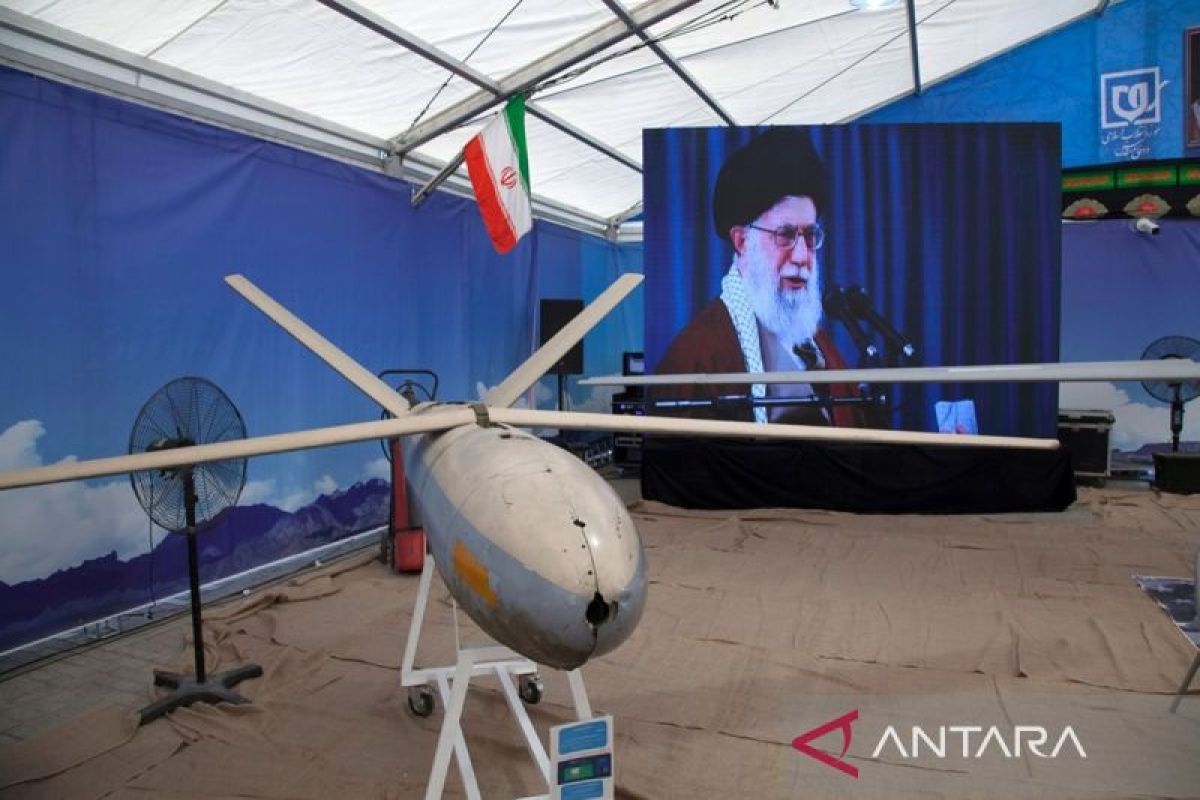
Jakarta (ANTARA) — Modern warfare is changing. Dominance of aircraft carriers, giant frigates, or the latest-generation fighter jets no longer automatically guarantee victory on the battlefield.
In the Strait of Hormuz, Iran has shown how a country technologically and economically behind the United States can still create a substantial strategic effect through ‘bee’ attack tactics. They deploy small boats, sea drones, and cheap missiles to attack in swarms.
The Iran conflict versus the United States-Israel is not merely showing that Iran is stronger; it demonstrates that the warfare of the future will be increasingly determined by the ability to exploit geography, cheap technology, data networks, and asymmetric operations. The question is: is Indonesia ready to face this paradigm shift amid a global dynamic that is becoming increasingly volatile?
Iran understands one fundamental thing: they are almost impossible to defeat the United States and Israel in open conventional war. Therefore, Tehran is not building a strategy of sea control but a sea-denial strategy. They do not seek to control the sea completely, but instead make the sea too costly and dangerous for opponents to use.
This is what has happened in the Strait of Hormuz in recent geopolitical tensions. When Iran’s conventional naval fleet has been heavily damaged in earlier confrontations, the IRGC has instead activated a mosquito fleet, hundreds of fast small boats armed with rockets, drones, missiles, and naval mines.
These small vessels operate in cheap, fast, radar-difficult-to-detect swarming patterns, exploiting the Strait’s narrowness. IRGC speedboat activity has even reportedly surged, with hundreds of small vessels operating simultaneously in the area in a single day.
Several naval intelligence reports also indicate that Iran has begun using kamikaze drone boats masquerading as small fishing vessels to attack oil tankers and logistics ships.
The strategic effect is enormous. About one-fifth of the world’s daily oil trade that passes through the Strait of Hormuz was directly disrupted when Iran escalated swarm operations and drone-boat attacks. Global oil prices surged, ship insurance premiums rose sharply, and hundreds of tankers were held up. In modern warfare, small vessels worth tens of thousands of dollars can, in fact, exert global economic pressure worth billions of dollars.