
Iranians Relieved as Internet Blackout Ends: 'Like a Prisoner Set Free'
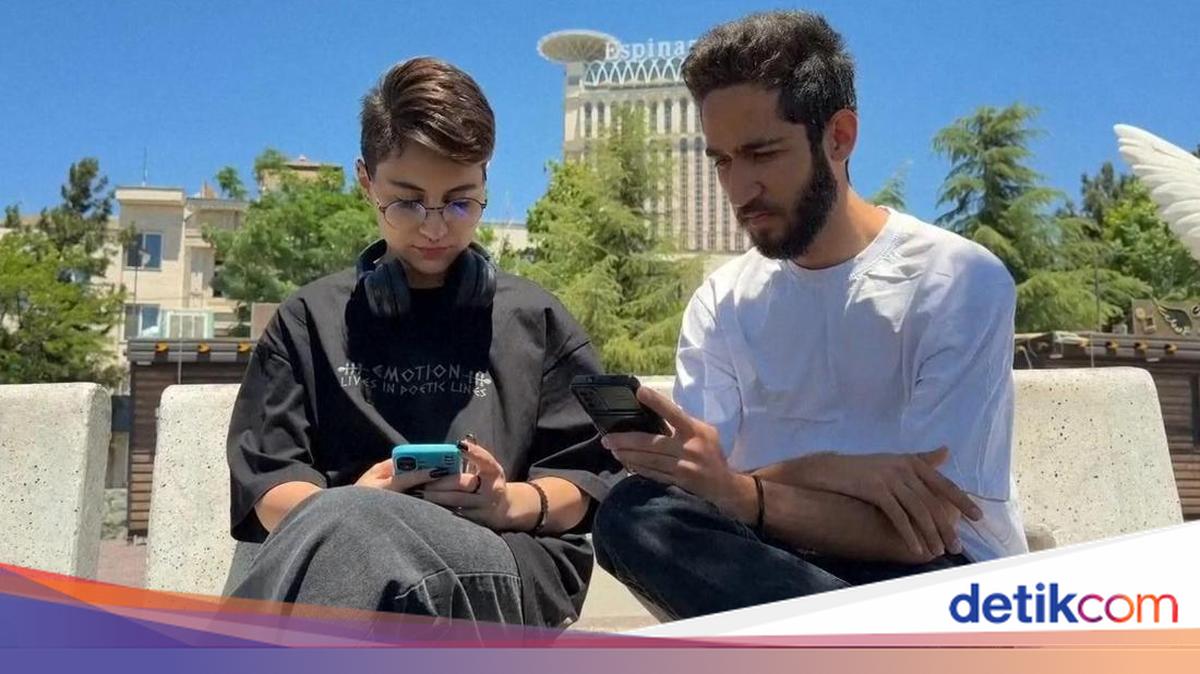
After 88 days, it feels exactly like a prisoner released after three months in jail and seeing the sky for the first time,” said an Iranian citizen describing his emotions upon regaining internet access after the government ended what a monitoring group called the longest nationwide blackout in modern history.
“You might not believe it, but when I clicked a site and saw it open, I felt like I could fly with happiness,” he told BBC’s Middle East Daily programme. “And when I realised I could send messages again via Telegram, WhatsApp, and other platforms, it was indescribable. Even now, as I speak, I’m close to tears from joy.”
He added that the first notifications on his phone asked for updates to a long list of apps, leaving him “overwhelmed with emotion”.
Although there is relief over partial connectivity restoration in Iran, concerns have emerged about increased censorship in a country long known for internet restrictions and surveillance.
Iran cut internet access after the US and Israel launched attacks on the country on 28 February, with officials stating the move aimed to prevent surveillance, espionage, and cyberattacks.
First Vice President Mohammad Reza Aref wrote on X on Tuesday that the government had taken “initial steps” towards “free and managed” internet access, following President Masoud Pezeshkian’s directives. He linked the reopening to restoring digital services and meeting the needs of citizens “who still support the system and Iran”, while stressing its importance for scientific advancement and a technology-based economy.
Another Iranian told Middle East Daily that despite some users still lacking full access and certain platforms remaining blocked, “the mere fact that the internet has returned is reason enough to celebrate.”
“Three months without the internet felt extremely harsh,” he said. “It’s painful not being able to contact family and friends abroad. We knew they were worried, especially during the war, but we couldn’t even reassure them we were safe.”
For those relying on online activities, regaining access to previously depended-upon sites and apps brought relief.
“I’m very happy the internet is restored because business can return to normal,” said computer science student Pantea to Associated Press. “I had an online store selling products. This will definitely benefit us. But the only issue is censorship. If they find the right solution for that, many problems will be solved.”
“The online market wants to return to normal,” he added. “However, ongoing social pressures severely harm online businesses. Businesses heavily depend on the internet, and each restriction makes life harder.”
Internet shutdowns are not new in Iran; access was also cut during anti-government protests in January, which were suppressed by security forces.
Some Iranians circumvented restrictions using expensive virtual private networks (VPNs) or smuggling satellite internet devices into the country.
Internet monitoring group NetBlocks noted signs of “broader filtering” upon connectivity restoration compared to January’s crackdown. “Services still face strict filtering, with new restrictions on messaging apps and app stores compared to before January. Calls for a free and open internet transcend political divides and should be heard,” the group said on Wednesday.
Several people contacting BBC Persian reported home internet is restored, but mobile data via SIM cards remains offline. Others said they still have no service and are using old methods as before Tuesday.
A 17-year-old in Tehran wrote: “We’re utterly exhausted. With high prices, sanctions, weak internet. Everything’s getting worse. I can’t live like this anymore.”
Despite the relief felt by Iranians, those abroad also welcomed the restored connection to family members.
British-Iranian comedian and writer Shaparak Khorsandi told BBC Radio 4’s Today programme that hearing others could again speak to loved ones was “painful yet joyful”, as she had yet to contact her aunt in Iran.
“It’s a very familiar experience for Iranians cut off, filled with worry, panic, and helplessness. It’s a tough time, but we keep trying,” she said.
She shared a message from her uncle who managed to send a birthday wish during the blackout: “One of my uncles wrote to us, ‘Today is my birthday, and I know you can’t contact me to say happy birthday, so I’m sending this message to wish myself happy birthday on your behalf.’”
Khorsandi described her uncle’s humour as “very loving”, as he tried his best to ease family worries.
With emotional voice, she said the first thing she wants to tell her family in Iran is “we love them and hope there’s never silence that makes them stop feeling”.