
Iranians Anxiously Await US Peace Deal Amid Economic Slump
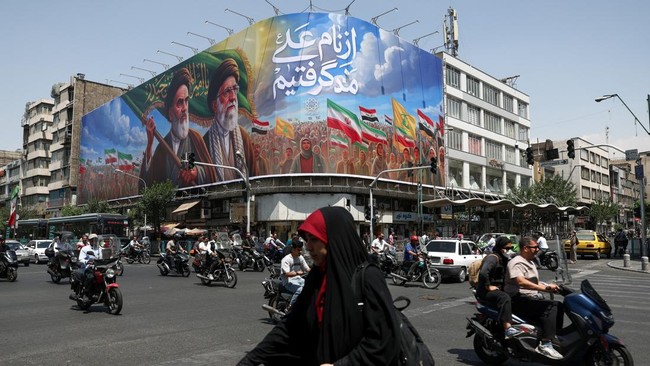
The memorandum of understanding (MOU) signed between Iran and the United States has survived its first turbulent days. The preliminary agreement document serves as a roadmap towards a potential long-term resolution to end the war triggered by the US and Israel nearly four months ago.
Complex political and technical discussions lasting months still lie ahead. Amid this highly volatile geopolitical situation, the Iranian public continues to monitor the negotiations with very limited optimism.
"We’ve gone from daily bombings to talks about buying corn from the US. So, it’s a good change, but our quality of life is still deteriorating day by day," complained Ehsan, a civilian living in central Tehran.
Ehsan’s statement refers to news that Iran will be allowed to purchase humanitarian goods, including food and medicine, from the US. The transactions will utilise Tehran’s previously frozen overseas funds, which are set to be released as a recovery point in the peace deal.
Governor of the Central Bank of Iran, Abdolnaser Hemmati, explained that Tehran is open to buying corn, wheat, and other agricultural products from Washington. However, he stressed that the written text of the agreement does not legally oblige Iran to purchase from the US if the price and quality are unsuitable.
The US Treasury Department has also issued a general licence as part of the implementation of the draft agreement, granting Iran official permission to produce, ship, and sell crude oil until 21 August. This policy allows Iran to sell oil without resorting to back channels, ship route falsification, or complex barter systems, and is expected to inject fresh funds into a domestic economy battered by extreme inflation.
Beyond the resumption of oil exports, Iranian authorities report that traditional maritime trade activity at southern ports has resumed to transport essential goods previously held up in the UAE. However, full access to neighbouring markets has not yet been restored for local traders following the prolonged war.
"I hope they reach a real agreement this time so we can have a normal life and business again," said a personal care products trader in Tehran’s Jomhouri business district. The trader admitted to struggling for months, registering new orders in the UAE and smuggling them in via passengers arriving from Oman just to keep his business afloat.
The domestic market situation has been further complicated by a massive cyberattack on Tuesday that crippled the national banking system, forcing citizens to use cash for petrol and groceries. Many suspect Israel was behind the digital disruption due to its dissatisfaction with the peace draft signed by Trump.
Meanwhile, a wave of discontent is spreading among staunch supporters of the Islamic Republic, who are urging the military to avenge the death of Supreme Leader Ayatollah Ali Khamenei, who was killed on the first day of the war. Hardline factions are vehemently rejecting any diplomatic concessions to Washington and are calling on new leader Mojtaba Khamenei to cancel the entire negotiation agenda.
This radical opposition was voiced openly by state television presenter Mohsen Azadi, who criticised the central bank governor’s economic easing policies. "You should feel insulted by this. It hasn’t even been four months since Khamenei’s assassination. You want to buy from the heinous president who just said the Iranian people are starving?" Azadi snapped during his live broadcast.
More than 50 hardline members of parliament, angered by the peace draft, are planning a mass demonstration on Sunday to protest the closure of the parliament building. Despite the heated internal political tensions, the government insists it is negotiating from a position of strength, upholding the principle of equality of commitments.
"Our resistance is born of faith, and that is what has frustrated the enemy in achieving its goals, forcing them to surrender on the battlefield and at the negotiating table," asserted chief negotiator and Iranian Parliament Speaker Mohammad Bagher Ghalibaf during an Islamic organisation meeting in Baku.