
Iranian President: US Threats to Infrastructure Show Desperation
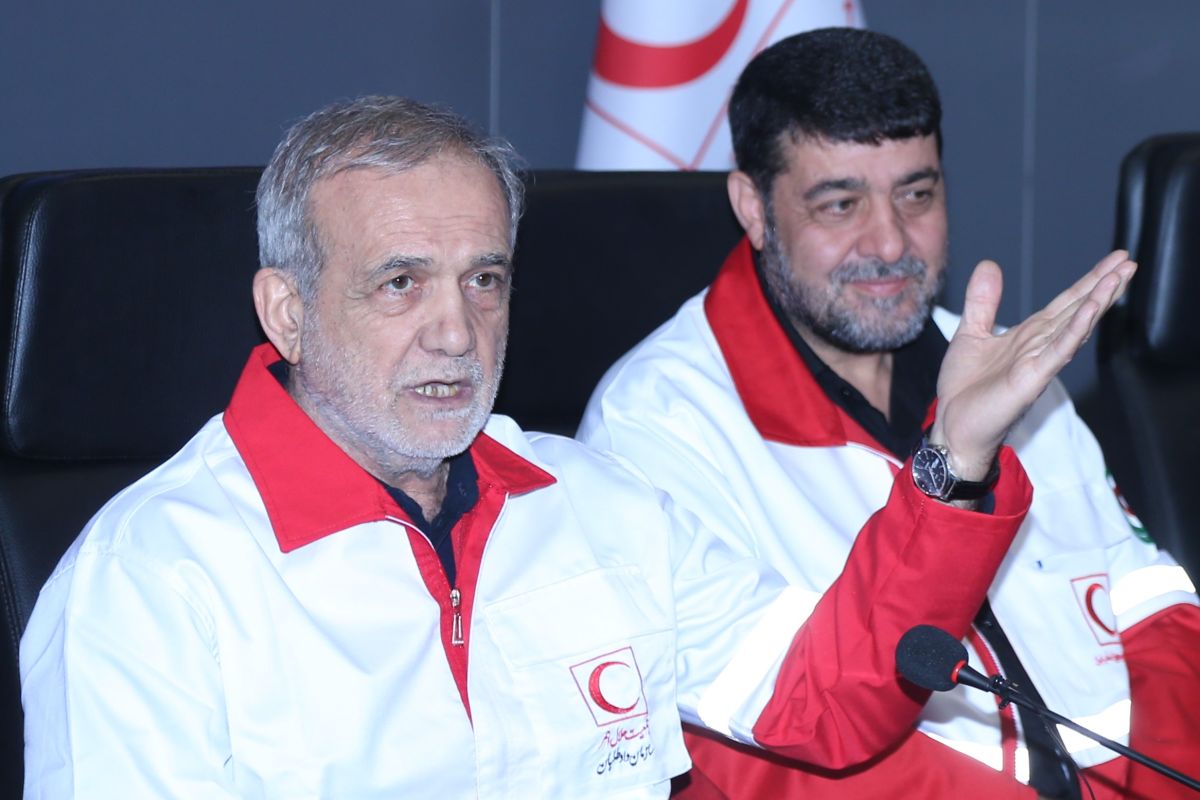
Tehran (ANTARA) - Iranian President Masoud Pezeshkian said on Wednesday that United States threats to target his country’s vital infrastructure are a sign of American desperation in the face of the Iranian nation’s steadfast resolve. The statement was made in a post on social media platform X, reacting to an earlier threat the same day by US President Donald Trump, who said he might order new strikes on power plants and bridges in Iran due to Tehran’s “delay” in signing a deal with Washington. “Vital infrastructure is the lifeblood of the people. Threatening to target infrastructure, from transportation networks to the electricity and water industry, is not a show of strength, but a sign of desperation in the face of a nation’s steadfastness,” Pezeshkian said. He expressed confidence that by relying on the knowledge and capabilities of its experts, as well as national unity and solidarity, Iran would remain resolute against any pressure and threats. In a post on the Truth Social platform on Wednesday, Trump stated that Iran had taken “too long in negotiating a deal” and now “must suffer the consequences”. Trump also hinted he might order new strikes against power plants and bridges in Iran, Fox News reported on Wednesday, citing a telephone interview. “I might keep going. They had a chance to sign a deal and survive,” Trump said. Trump’s statement came shortly after US Central Command said on social media platform X on Wednesday morning that its forces had completed “self-defence” strikes against Iranian targets in response to the “downing of a US Army Apache helicopter”, adding that the operation was a “proportionate response to recent attacks on US forces and international commercial vessels transiting regional waters”. Meanwhile, Iran’s Islamic Revolutionary Guard Corps said it had launched missile and drone attacks on US bases in Bahrain, Kuwait, and Jordan on Wednesday morning local time, adding that the US had struck several locations in the Jask and Sirik areas as well as Qeshm Island in southern Iran.