
Iranian Parliamentary Commission Approves Toll Fees for Ships Crossing the Strait of Hormuz
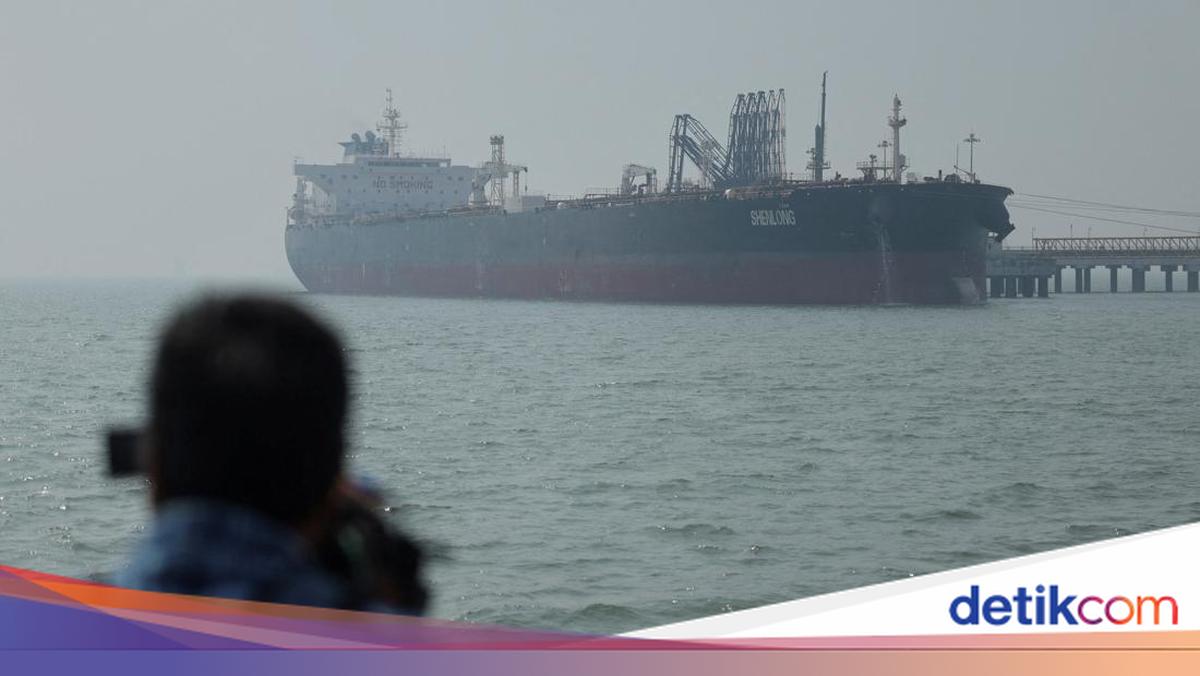
An important commission in Iran’s parliament, the National Security Commission, has approved a plan to impose import duties, or toll fees, on ships crossing the Strait of Hormuz, a vital waterway for global oil and gas shipments that has been effectively closed due to the war in the Middle East.
However, full approval from Iran’s parliament through a vote is still required to implement the plan.
Iranian state television reports, quoting a member of the parliamentary security commission as reported by AFP and Anadolu Agency on Tuesday (31/3/2026), state that the approved plan includes a series of new regulations governing the strategic waterway.
The plan encompasses “financial arrangements and the Rial toll system” – which will require ships to pay transit fees in Iran’s national currency, the Rial – as well as “the implementation of Iran’s sovereign role”.
The plan also addresses “the prohibition of American citizens and the Zionist regime from passing through it”, and bans other countries from imposing sanctions against Iran.
One member of the National Security Commission, Mojtaba Zaeri, as quoted by the Fars news agency, explained that the bill also includes restrictions prohibiting US- and Israel-related ships from passing through the Strait of Hormuz.
Additional provisions will prohibit access for countries that have joined unilateral sanctions against Iran.
After approval by the National Security Commission, the draft law containing the toll plan must still undergo a full vote in Iran’s parliament, before being reviewed by Iran’s Guardian Council and signed by the President of Iran to be enacted as law.
The Middle East region has been heating up since the United States (US) and Israel launched a large-scale attack against Iran on 28 February. Iran retaliated with waves of missile and drone attacks against targets in Israel and Gulf countries hosting US military assets.
The Strait of Hormuz, a strategic waterway for global energy supplies, has also been affected by the ongoing war. Transit activity in this vital waterway has been effectively restricted since early March.
This has triggered global disruptions that increase shipping costs and push global oil prices higher.
About one-fifth of the world’s crude oil and liquefied natural gas passes through the Strait of Hormuz before the war broke out. Since the war began in late February, according to maritime intelligence firm Kpler, transits through the Strait of Hormuz have plummeted by about 95 percent, with impacts felt across global energy markets.
Source: jawawa.id (https://jawawa.id/newsitem/iranian-parliamentary-commission-approves-toll-fees-for-ships-crossing-the-strait-of-hormuz-1774950791)
Originally published by detikcom (https://news.detik.com/internasional/d-8423350/komisi-parlemen-iran-setujui-tarif-tol-kapal-yang-lintasi-selat-hormuz), translated from Indonesian