
Iranian Intelligence and the Defeat of Trump-Netanyahu
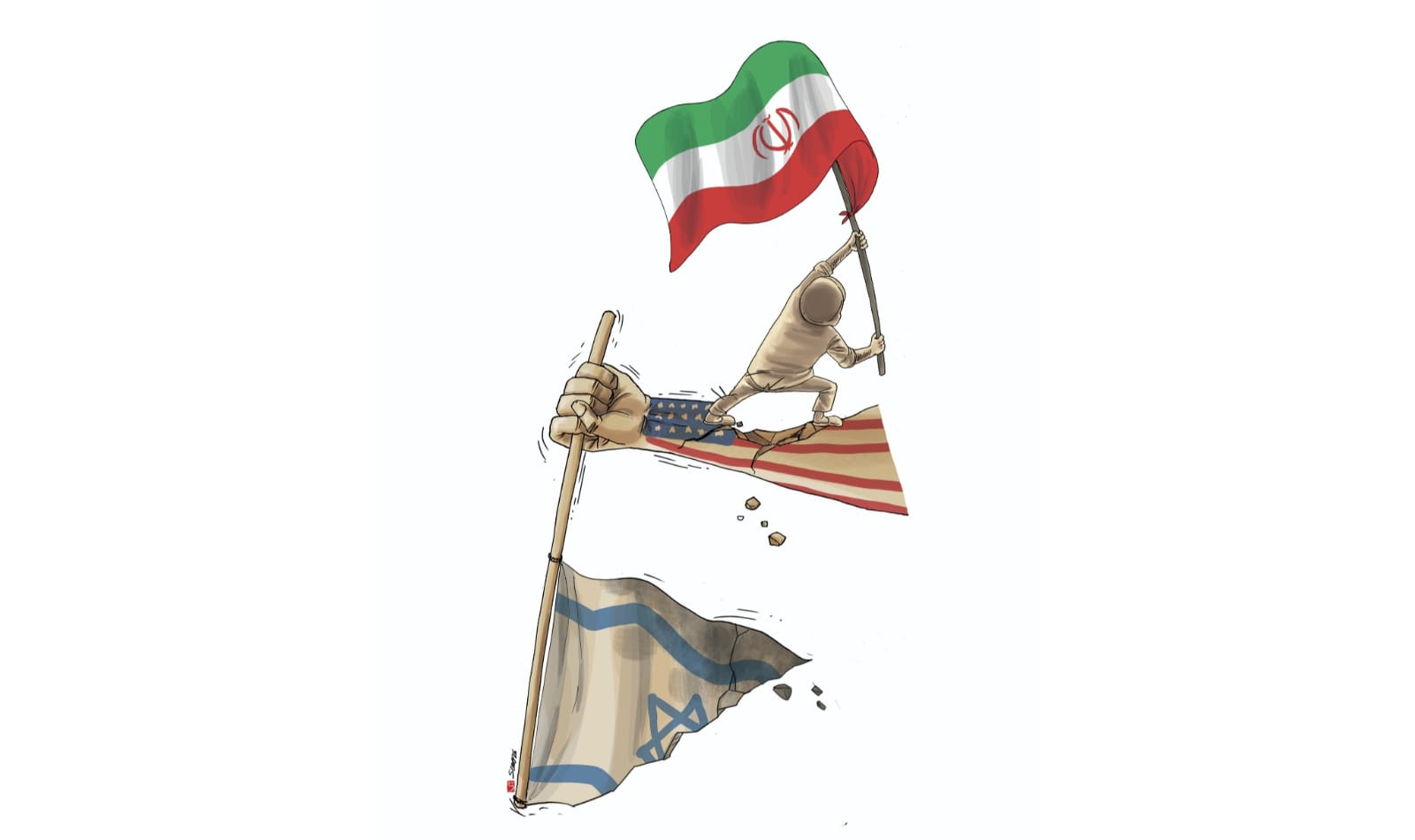
Iran has severed communications with the US after negotiations, mediated by Pakistan, were disrupted by US President Donald Trump’s amendments. These amendments imposed stricter conditions regarding the Strait of Hormuz, the nuclear programme, and the release of US$12 billion in frozen Iranian funds. In an attempt to force compliance, the US attacked Iranian military and radar sites in Hormozgan Province, prompting the Islamic Revolutionary Guard Corps (IRGC) to retaliate against US military bases in Kuwait and Bahrain.
In a surprising move, Iran issued an ultimatum as a prerequisite for renewed negotiations. First, Israel must immediately evacuate southern Lebanon; failure to do so will result in Iranian attacks on northern Israel. Second, Israel must cease attacks on Gaza’s civilian population. Third, Trump must lift the US blockade on cargo ships and tankers heading to Iranian ports. Only upon fulfilling these three conditions will Tehran agree to further talks.
Since these developments, the tone of the Trump administration and Secretary of State Marco Rubio towards Iran has softened significantly. Trump has even criticised Netanyahu, urging an end to the war in Lebanon, and has opened communication channels with Hezbollah. This shift reflects Iran’s growing leverage, driven by orders from Ayatullah Mujtaba, son of the late Ali Khamenei, to accelerate nuclear weapons development using expertise obtained from Russia, with support from China.
The emergence of a new regional alliance involving Qatar, Saudi Arabia, Egypt, Turkey, Pakistan, Iran, and China suggests a response to Iran’s potential rise as a regional superpower. As the US is no longer seen as a reliable security guarantor for Arab nations, Iran’s control over the strategic Strait of Hormuz poses a significant challenge to global energy, food, and economic security. The US-Israeli aggression has failed to install a new regime and has instead eroded the hegemony of both the US and Israel.
The historical blunder began when Trump withdrew from the 2015 Joint Comprehensive Plan of Action (JCPOA), demanding much stricter terms. While Iran initially adhered to the agreement, the failure of European powers to uphold their promises led Tehran to enrich uranium to 60% as leverage. Despite attempts at renegotiation during the Biden administration, new sanctions prevented a breakthrough. Upon returning to the White House in January 2025, Trump’s apparent pursuit of diplomacy in Oman proved to be a facade, as the US subsequently joined Israel in strikes against Iranian nuclear sites, leading to a 12-day conflict with significant casualties.