
Iranian Hardliners Reject US Deal, Exposing Deep Internal Divisions
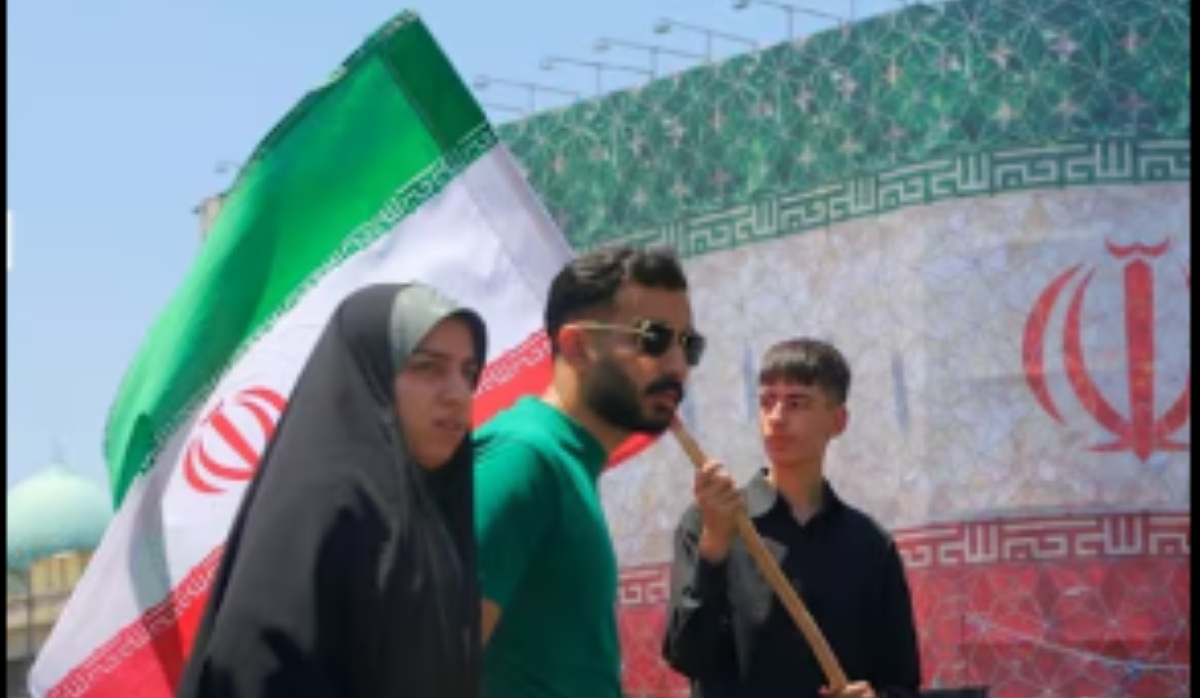
The unveiling of details of a potential agreement between the United States and Iran has sparked a fierce backlash from hardline elements within the Islamic Republic. Mahmoud Nabavian, Deputy Chairman of the Parliament’s National Security Commission, publicly read out what he claimed was the final text of the memorandum, warning that the deal risked turning Iran into a ‘colony’ of the United States and opening the Strait of Hormuz to Israel. His speech, broadcast live across the country, ignited a campaign by his supporters under the slogan ‘We will not accept’, denouncing the agreement as a shameful capitulation to Washington.
Despite government officials and state media celebrating the pact as a major victory for Iran and a defeat for the US, the reality on the ground points to significant internal fractures. Critics of the deal are not ordinary citizens but influential figures with deep connections within the power structure. Dina Esfandiary, a Middle East geoeconomics expert at Bloomberg Economics, assessed that while the previous state of war had given the government a new lease of life to tighten its grip amid public discontent, it does not guarantee full support for the agreement. The government still faces a host of domestic problems that predated the conflict.
Vali Nasr, author of ‘Iran’s Grand Strategy’, stated that for the deal to succeed, Supreme Leader Mojtaba Khamenei and the Islamic Revolutionary Guard Corps (IRGC) must control the hardline faction they themselves created. This faction has consistently tried to sabotage negotiations with the US, viewing them as a form of surrender. In a recently posted message, Khamenei confirmed he authorised the deal but appeared to distance himself from any potential failure, stressing that full responsibility lies with its architects, including chief negotiator Mohammad Bagher Ghalibaf. ‘In principle, I had a different view. However, given the commitments made to me by Ghalibaf to protect the rights of the Iranian nation and the Resistance Front, I gave my permission,’ the message read.
Economic outcomes are seen as the key to the deal’s long-term success. Sanam Vakil of Chatham House emphasised that while the agreement reduces external military threats, it does not automatically resolve domestic social, political, or economic grievances. At the grassroots level, profound public fatigue is evident. ‘Sure, the deal sounds good, but I honestly don’t have the energy for all this anymore. First the crackdown, then war, now they’re friends?’ said Reza, a 45-year-old Tehran resident, capturing the widespread disillusionment. For citizens like Fati, the primary hope remains an improvement in living standards. ‘If we can earn money, run businesses, and live a life that isn’t just about survival, then fine, I’ll accept it,’ she concluded.