
Iran warns US and Israel: New attacks to be met with more devastating retaliation
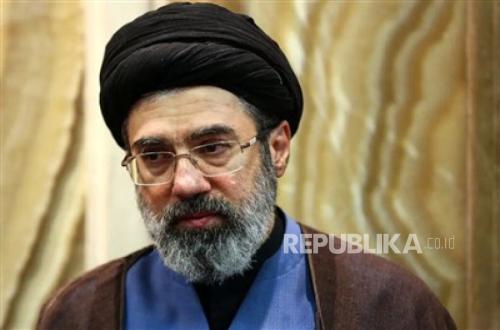
ISTANBUL — Iran warned the US and Israel that any new attacks on Tehran would be met with a harsher retaliation. The threat comes as the fragile ceasefire that halted armed conflict since April remains in place. Senior Iranian military spokesperson Abolfazl Shekarchi stated that any new escalation in the Gulf region would be met with a much stronger response than before. ‘If the region enters a new phase of war, Iran’s response will extend beyond the region and be significantly more severe and forceful,’ Shekarchi said, as reported by Fars News Agency on Tuesday, 26 May 2026. The statement follows semi-official Iranian media reports of US and Israeli airstrikes on Iranian vessels south of Larak Island near the Strait of Hormuz, which reportedly killed several Iranian citizens. The latest tensions emerged amid Pakistan-led mediation efforts to maintain the ceasefire between Iran, the US, and Israel. The conflict began after a joint US-Israel attack on Iran on 28 February, which Tehran then retaliated against with strikes on US military targets. The ceasefire began on 8 April and was extended indefinitely by US President Donald Trump. Nevertheless, the situation remains volatile with mutual accusations and threats from all sides. Meanwhile, Supreme Leader Ayatollah Mojtaba Khamenei also issued a strong statement against US military presence in the Middle East. In a message marking the Hajj pilgrimage’s climax, cited by government news agency IRNA, Khamenei stated Middle Eastern countries will no longer serve as a shield for US military bases. He even said Washington no longer has a ‘safe zone’ in the Middle East. Khamenei also urged Muslim and other regional countries to strengthen cooperation to build a new regional order more independent from Western influence. ‘I sincerely invite all Islamic nations and governments to forge friendship and cooperation for mutual interests,’ Khamenei said. Such statements underscore Iran’s firm stance despite ongoing diplomatic and mediation efforts. The conflict, which initially raised fears of a wider Middle East war, continues to cause high tension, particularly in the strategically vital Strait of Hormuz, a crucial global oil trade route.