
Iran War Widens, Trump Seeks Way Out Through Negotiation
Nearly seven months into the Iran war, negotiations between Washington and Tehran have yet to yield results, and the conflict has expanded from the Strait of Hormuz to other strategic shipping lanes. In September 2026, Iran-backed Houthi rebels in Yemen seized key positions along the Yemeni coast, threatening Red Sea trade routes and launching attacks on targets in Saudi Arabia. This has exacerbated the global energy crisis triggered by the blockade of the Strait of Hormelse.
In early September, Saudi Arabian officials also accused Iran-backed militias in Iraq of detonating critical sections of the East-West Pipeline. According to The New York Times, Saudi Crown Prince Mohammed bin Salman contacted US President Donald Trump on Sunday (20/09) to once again urge him to intervene and halt the rapid advance of Houthi forces.
Trump reportedly considered airstrikes against the Houthis but subsequently cancelled the plan. Over the weekend, Fox News reported that Trump stated the Houthi rebels had agreed not to target US interests. US media outlet Axios also reported that Trump rejected a request from Saudi Arabia to launch attacks against the Houthis the previous week.
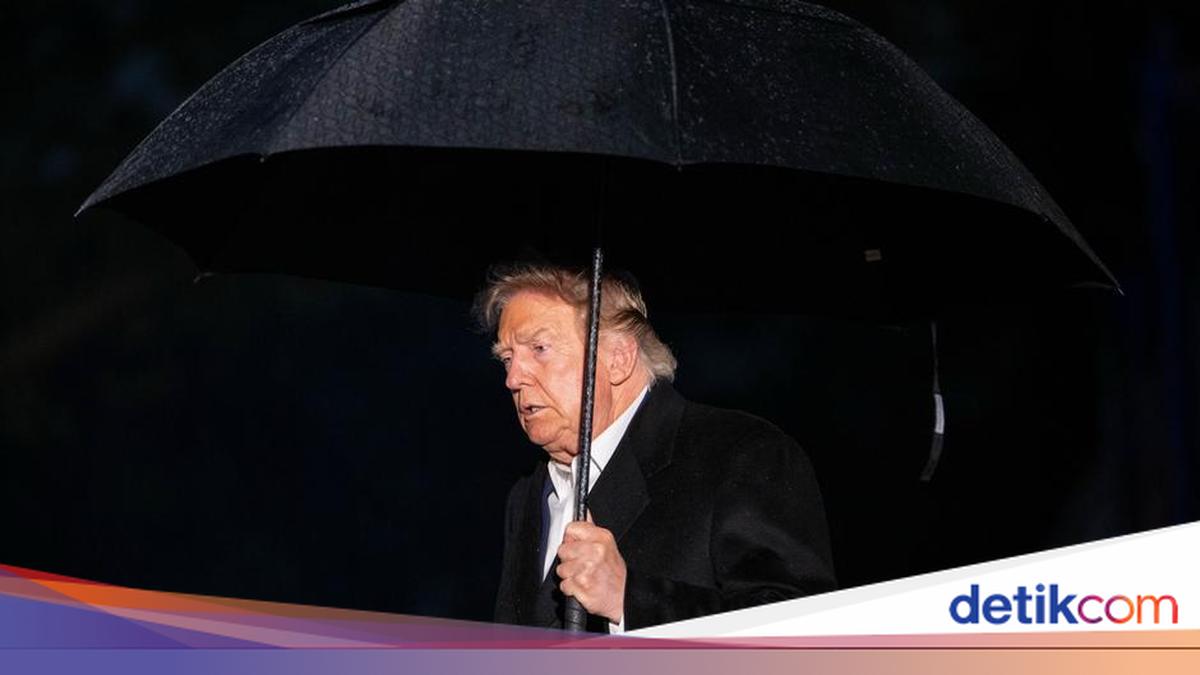
Trump is seeking an exit strategy. With petrol and diesel prices hitting record highs and putting pressure on voters ahead of the US by-election on 3 November 2026, Trump is under significant pressure to demonstrate tangible results in the Iran war. “President Trump wants to end the Iran war from a position that allows him to claim that Iran’s nuclear and military capabilities have been significantly weakened, freedom of navigation has been restored, and Tehran has been forced back to the negotiating table,” told DW Iran expert Fatemeh Aman.
Aman, who has worked with various organisations including the Middle East Institute, Atlantic Council, RFE/RL, and Voice of America, added that a coherent strategy to achieve these goals remains difficult to discern clearly. The US has imposed significant military and economic costs on Iran and appears to have made progress in weakening the nation’s military capabilities. However, Tehran has not surrendered, and no lasting ceasefire agreement has been reached.
Trump is scheduled to meet Chinese President Xi Jinping in Washington this week. China is the largest buyer of Iranian oil and a vital political partner for Tehran. The US President is likely to raise the issue of China’s economic and financial ties with Iran, hoping Beijing will use its influence over Tehran, particularly regarding maritime security in the Strait of Hormuz.
At the same time, Trump has signalled openness to meeting Iranian President Masoud Pezeshkian, who is scheduled to visit New York for the UN General Assembly. Senior representatives from Gulf nations are also expected to arrive in the US in the coming days. According to Axios, Trump plans to discuss the Iran war with representatives from several Gulf states on the sidelines of the UN General Assembly.
Gulf nations are aiming for regional stability. To date, no common position has emerged between Iran and the Arab Gulf states. A meeting involving Iran, the Gulf states, and Iraq was cancelled last week, allegedly due to Houthi attacks on Saudi Arabia. “At first glance, there seems to be very little common ground between Iran and the Gulf states,” told DW Middle East expert Farzan Sabet of the Geneva Graduate Institute. “However, behind the scenes, there is at least a shared interest in preventing further military escalation.”
The Gulf states recognise that they are unlikely to win in a direct military confrontation with Iran and generally prefer de-escalation and pragmatic tension reduction with Tehran. However, no agreement is currently in sight. Iran’s demand for greater control over the Strait of Hormuz, in particular, is viewed as being too far-reaching from the perspective of the Gulf states. The war in Yemen is further narrowing the space for normalised relations. Saudi Arabia, for instance, is unlikely to make concessions as long as it remains under pressure from the Iran-affiliated Houthis.
According to Fatemeh Aman, a US-backed coalition of Gulf states that remains permanently hostile would be a massive strategic burden for Tehran. She added that Iran could pursue a two-track strategy: resisting US efforts to build a regional encirclement system, while simultaneously offering the Gulf states an alternative regional security model based on accommodation and dialogue. “Regardless, the Gulf states are not just Iran’s rivals, but also its neighbours, and no party can change that geographical reality,” said Aman.
According to Iranian security official Mohsen Rezaei, Tehran demands that the US end fighting on all fronts. Tehran is also demanding the release of billions of dollars in frozen Iranian assets and the lifting of the naval blockade in the strait. Discussions with Qatar and Oman are reportedly ongoing. The Iranian regime is now awaiting a response from Trump. There is currently no clarity as to whether these diplomatic signals can evolve into a broader political process. For now, the main obstacle remains that Washington, Tehran, and the Gulf states continue to pursue vastly different agendas to end this months-long conflict.