
Iran War Fallout Widens, World's 'Treasure' at Risk
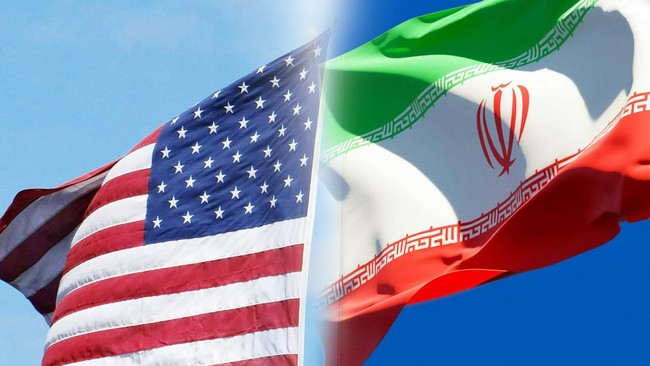
Jakarta, CNBC Indonesia - The war between Iran and the United States (US) is starting to exert significant pressure on the global technology industry, particularly semiconductor companies that form the backbone of artificial intelligence (AI). A number of chipmakers have warned of rising costs and supply-chain disruptions due to the conflict escalating in the Middle East.
The AI cycle remains resilient in the latest earnings season. However, AI hardware suppliers have begun to flag profitability pressures stemming from the Iran war.
The conflict, which is widening, has led to a sharp rise in oil prices and hampered supply chains vital to the technology sector. One of the biggest concerns is the potential shortage of helium, a key component in the chip production process, amid the stalemate in US–Iran relations.
The world’s largest chipmaker, TSMC, said the Middle East situation could affect the company’s profitability. The chipmaker for Nvidia warned that the prices of certain chemicals and gases are likely to rise.
Meanwhile, Foxconn, the world’s largest contract electronics manufacturer, cited the Middle East conflict as one of the major challenges to its business this year. The German chipmaker Infineon also expects higher costs for precious metals, energy, and shipping as a result of the war.
IDC analyst Francisco Jeronimo said the condition of chip companies could deteriorate over the coming quarters.
“We could see further negative impacts this year. Gas, energy, and logistics prices are at record highs and are likely to stay elevated for several quarters ahead, even if the situation starts to ease,” Jeronimo said, quoted from CNBC International, Wednesday (20/5/2026).
He noted that even if a ceasefire occurs, the damage on the supply side cannot be repaired instantly.
Supply-chain disruptions and rising energy costs are becoming the main threats to the chip industry at present. Helium, produced as a by-product of natural gas, is a vital component in semiconductor manufacturing.
Qatar, the world’s second-largest helium supplier, supplying more than 30% of the global market in 2025 according to S&P Global, was reportedly experiencing export disruptions due to Iranian attacks. In addition to helium, access to other critical materials such as bromine and aluminium was also affected.
In March, chip buyers in Europe began paying higher prices and drawing on stockpiles as the war disrupted air shipments.
Jeronimo said chip companies are now recognising the importance of diversifying supply chains to avoid reliance on a single region. In the short term, TSMC is said to be building inventory buffers and expanding its supplier base.
TSMC Chief Financial Officer Wendell Huang said the company’s strategy is to develop multi-sourcing solutions to create a more diversified global supplier base and strengthen local supply chains.
The war’s impact was also felt by VAT Group, a supplier of components to the chip industry. The company reported supply-chain disruptions and had to reroute shipments to customers due to the conflict.
Although it expects no material impact on its full-year 2026 business outlook, first-quarter sales fell by 20-25 million Swiss francs or roughly US$25.5 million to US$32 million.