
Iran War Depletes US Missile Stockpiles, 1,700 Patriot and THAAD Interceptors Expended
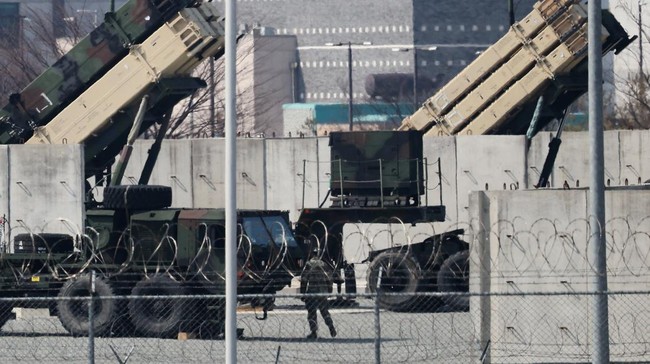
The United States’ stockpile of advanced air defence missiles has been severely depleted by the ongoing war with Iran, with approximately 1,700 Patriot and Terminal High Altitude Area Defense (THAAD) interceptors used since the conflict erupted in late February 2026. The rate of expenditure has far exceeded the current production capacity, leaving the Pentagon facing a significant capability gap.
According to estimates from the Center for Strategic and International Studies (CSIS) dated 27 July 2026, the US possessed between 2,782 Patriot and THAAD missiles before the war. That number has now dwindled to between 993 and 1,105 units. The Patriot stockpile has been hit hardest, shrinking from an estimated 2,330 missiles to just 759-827 units, meaning nearly two-thirds of the pre-war inventory has been fired. THAAD interceptors have fallen from around 452 to 234-278 units, a decline of 38 to 48 per cent.
The Patriot system, particularly the latest PAC-3 Missile Segment Enhancement (PAC-3 MSE) variant, is used to counter aircraft, cruise missiles, and ballistic missiles. THAAD is designed to destroy ballistic missiles at longer ranges and higher altitudes, a capability that makes each interceptor cost nearly US$12 million, compared to approximately US$5 million for a PAC-3 MSE. Replacing the missiles expended during the Iran conflict is estimated to cost around US$10 billion.
Restoring the stockpiles will be a lengthy process. CSIS projects that the US will need at least three years to return to pre-war inventory levels. Although the fiscal year 2027 defence budget includes a request for 3,203 Patriot missiles, deliveries from this new order are not expected to commence until May 2029. Similarly, an order for 857 THAAD interceptors is unlikely to begin arriving before mid-2029, with full replacement of wartime expenditure projected only by the end of that year.
A major bottleneck is limited production capacity. Lockheed Martin currently manufactures around 650 PAC-3 MSE missiles annually, with roughly half allocated to the US military and the remainder to allies and partners. The company plans to scale up Patriot production to approximately 2,000 missiles per year, while THAAD output is set to increase from 96 to 400 units annually. Washington has also earmarked substantial funding to accelerate replenishment, including roughly US$95 billion for munitions in the FY2027 base defence budget and an additional US$21 billion via a supplemental war budget.
The dwindling stockpile may force the US and its allies to become more selective in engaging incoming threats, potentially reducing the number of interceptors fired per target or prioritising only the most critical assets. CSIS warns that no comparable replacement for Patriot and THAAD currently exists to counter ballistic missiles. While ship-launched Standard Missiles offer similar capabilities, US naval vessels are often positioned too far from attack sites to provide effective cover. The situation also raises concerns about military readiness should a major conflict erupt in another theatre, particularly the Western Pacific, before missile inventories are restored. In the coming years, the primary challenge for Washington will not merely be securing funding, but accelerating missile production in a sector that cannot be rapidly scaled up.