
Iran Uses Bitcoin for Shipping Fees in Strait of Hormuz, Crypto Rebounds
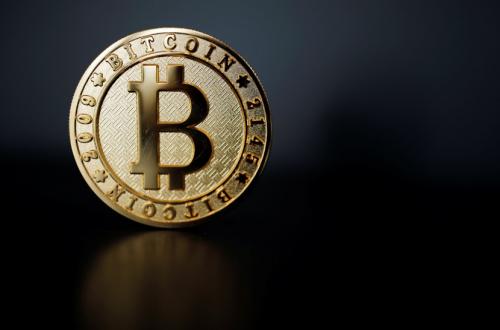
REPUBLIKA.CO.ID, JAKARTA — Iran’s policy requiring maritime toll payments in Bitcoin in the Strait of Hormuz has sparked a rise in cryptocurrency prices. This move is seen as marking a shift in the role of crypto from merely an investment asset to a strategic cross-border transaction tool.
Bitcoin’s price was recorded to have increased by around 6 per cent, approaching $75,000, at the start of the week following a major short squeeze amid geopolitical tensions.
Indodax Vice President Antony Kusuma stated that this surge reflects the strengthening position of crypto in responding to global pressures. “Phenomena such as the use of Bitcoin in cross-border economic activities signal that crypto adoption continues to grow, not only at the retail level but also in a broader global context,” said Antony on Thursday (16/4/2026).
Iran’s policy imposes a tariff equivalent to $1 per barrel in the form of Bitcoin, creating instant new demand. This scheme also serves as a strategy to keep transactions running amid international sanctions pressure by leveraging a blockchain-based system.
On the other hand, US inflation rising to 3.3 per cent has further strengthened investor interest in alternative assets. This condition drives diversification into crypto while reinforcing Bitcoin’s position as a hedge asset.
Price movements are also supported by inflows into spot Bitcoin ETFs reaching around $1.94 billion throughout March to April. This liquidity strengthens the short-term upward momentum.
Positive sentiment has also driven gains in other cryptocurrencies, such as Ethereum rising 8 per cent to $2,380, Solana strengthening 5.2 per cent to $86.60, and BNB up 3.2 per cent to $615.50.
Antony assesses that this dynamic shows the crypto industry entering a new phase of global adoption. The role of crypto is no longer limited to speculative instruments but is beginning to enter the realm of geopolitics and international trade.
“If previously crypto was more viewed as a speculative asset, now its role is expanding into geopolitics and international trade. This is an important development, as it shows that blockchain technology has increasingly real relevance in the global economic system,” he said.
Nevertheless, market volatility remains high and is influenced by macroeconomic factors such as monetary policy and US economic data releases. Investors are advised to prioritise risk management.
Historically, April has been a positive month for Bitcoin. However, this year market movements are more influenced by geopolitical factors, including Iran’s policy that opens a new chapter in the use of crypto at the state level.
Indodax views this development as reflecting the shift of crypto into part of global economic dynamics and commits to providing a safe and transparent platform for investors.