
Iran Turns Hormuz into a Toll Route, Parliament Officially Approves Ship Tariffs
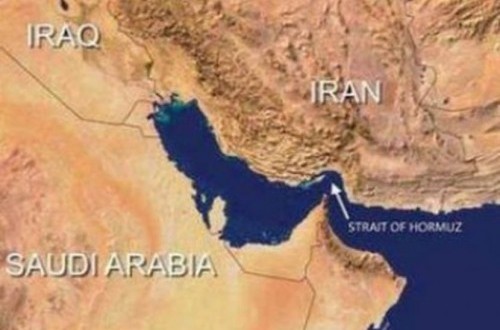
REPUBLIKA.CO.ID, TEHRAN — Iran’s parliament has approved a plan to impose tariffs on ships crossing the Strait of Hormuz, a step that signals a new chapter in escalating conflicts while reinforcing Tehran’s control over one of the world’s most vital energy routes.
Iranian state media reported that the policy draft has been approved by parliament, although it still requires coordination with other countries bordering the strait directly. This policy emerges amid a situation where Iran has de facto restricted access for Western ships to the route.
Several reports indicate that Iran has even begun collecting transit fees of up to two million US dollars for some passing ships. Iranian parliament member Alaeddin Boroujerdi stated that this policy reflects Iran’s strength in controlling the strategic route. “The collection of transit fees reflects Iran’s power,” he said in a statement quoted by local media.
The Strait of Hormuz has long been known as the lifeline of global energy trade, with around 20 percent of the world’s daily oil and liquefied natural gas supplies passing through it. However, since early March, shipping activity in the area has declined dramatically amid rising military tensions in the region.
The escalation of conflict was triggered by US and Israeli military strikes on Iran on 28 February, which were then retaliated against by Tehran with missile and drone attacks on various targets, including Israeli territory and several Middle Eastern countries hosting US military assets.
This tension has directly impacted the stability of shipping routes. Shipping and insurance costs have surged, while global oil prices have been pushed higher due to disrupted energy supplies. Some ship operators have reportedly had to go through intermediaries to obtain passage permissions, including submitting crew and cargo data, and in some cases paying additional fees.
Amid these conditions, Iran’s parliament is now formalising the fee collection policy through a draft law that will provide a legal basis for imposing tariffs on ships crossing the Strait of Hormuz. This policy also includes a scheme for safe passage guarantees for ships meeting the requirements.
However, this step creates dilemmas for global shipping industry players. On one hand, the need to keep logistics flowing remains a priority. On the other, security risks, potential sanctions, and international legal uncertainties have led many operators to halt activities in the area.