
Iran Threatens Vessels Using New Hormuz Strait Routes Without Permission
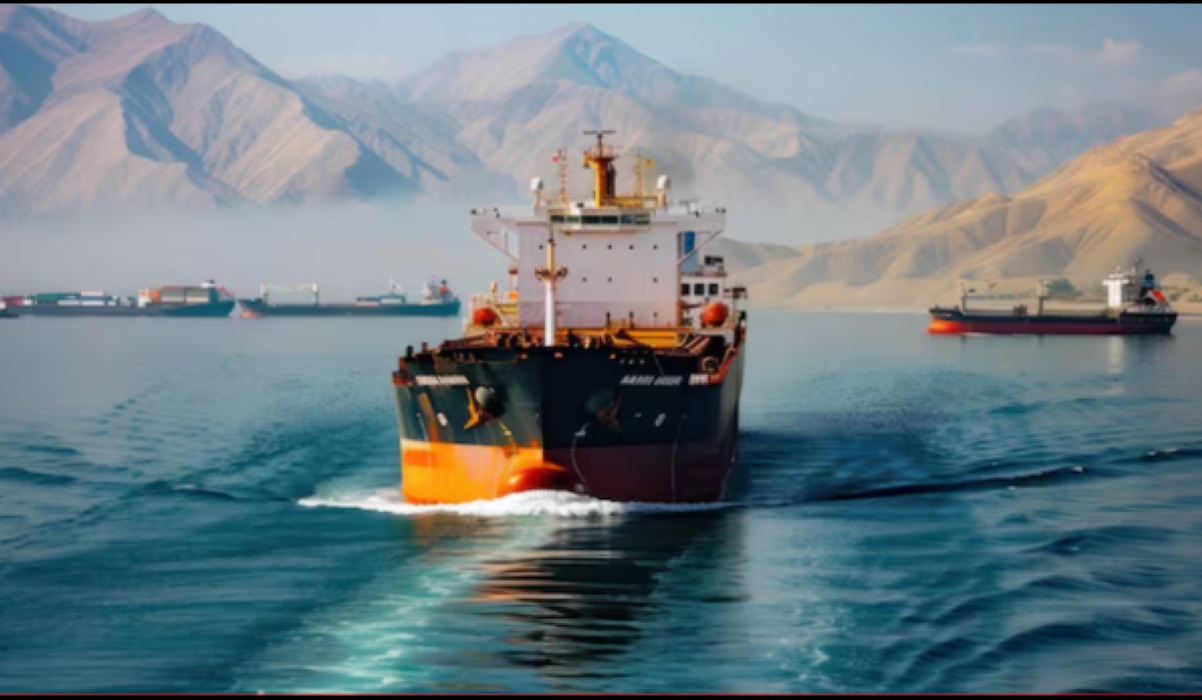
The Islamic Revolutionary Guard Corps (IRGC) has warned shipowners that any new transit route through the Strait of Hormuz created without coordination with Tehran is an unacceptable and dangerous step. The IRGC Navy stated that only shipping routes designated by Iran are permitted, and stressed that coordination with Iranian forces through established communication channels is mandatory. ‘Navigation outside these routes is extremely dangerous and prohibited, and we warn all vessels to strictly avoid any movement outside the designated corridors,’ the IRGC Navy said in a report. The statement came after a major maritime information group on Saturday proposed an alternative shipping corridor, asking shipowners to consider transiting via a southern route along Oman’s territorial waters with transponders switched on. The group’s notice confirmed the southern route was free of mines and recommended. Vessel traffic data shows signs of a tentative recovery, with the number of transits tripling to 93 ships over the past weekend compared to the previous comparable period, according to ship tracking provider MarineTraffic. However, this remains far below pre-conflict levels, when more than 100 vessels crossed the Strait of Hormuz daily. MarineTraffic also recorded 31 verified crossings on Tuesday by commercial and energy-laden ships, noting that operators are still using a mix of Iranian, Omani, and International Maritime Organization route patterns. The US Department of the Treasury sanctioned Iran’s Persian Gulf Strait Authority in May, describing the move as a response to attempts to extort global maritime trade. US Treasury Secretary Scott Bessent warned that Washington would not tolerate any levy system in the Strait and would aggressively target any involved parties. Analysts caution that any sustained Iranian control over the Strait could have long-term consequences for oil flows, with RBC Capital Markets’ global head of commodity strategy, Helima Croft, suggesting that pre-conflict tanker traffic levels may represent a high-water mark for future transit.