
Iran Threatens Full-Scale Offensive as US Strikes Continue for Seventh Night
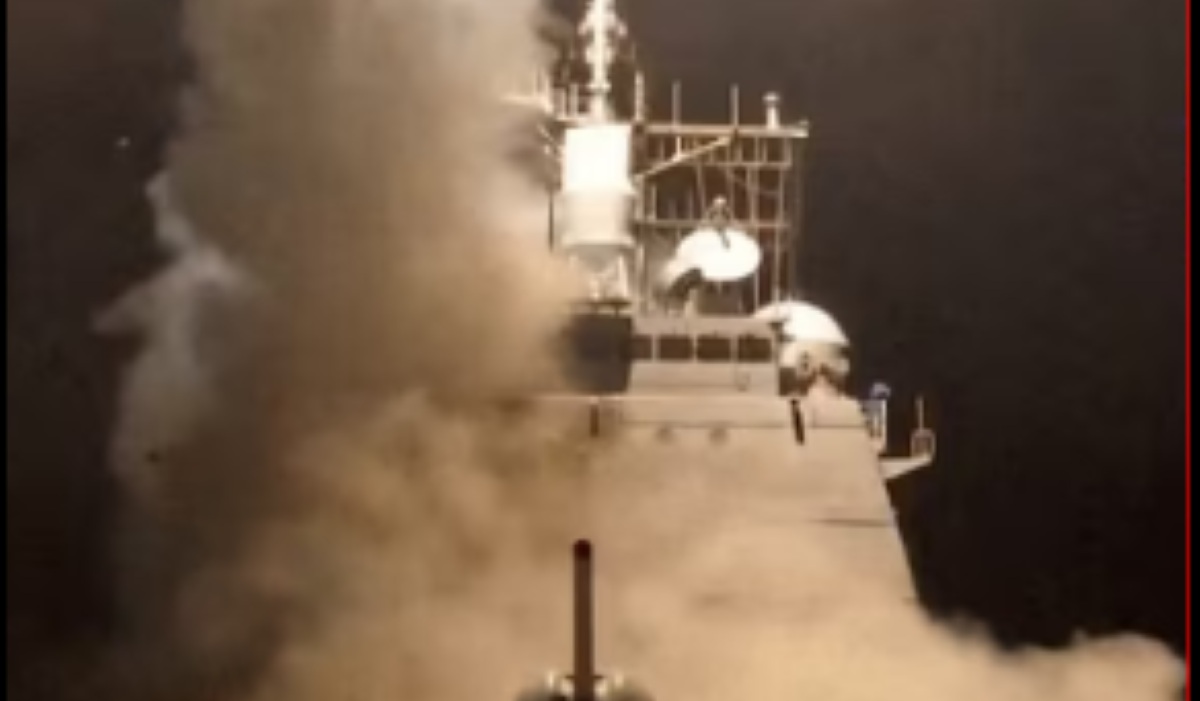
Tensions in the Middle East reached boiling point on Saturday (18/7/2026) after United States forces launched a seventh consecutive night of strikes against Iran. Tehran responded with threats of a full-scale offensive. The strategic Strait of Hormuz waterway was reported to be almost entirely closed to maritime traffic.
US Central Command (Centcom) confirmed via the platform X that the latest strikes targeted surveillance sites, military logistics infrastructure, underground weapons storage and Iranian maritime capabilities. The strikes marked the end of a series of air operations spanning seven consecutive nights.
Iran’s official news agency, IRNA, reported that US strikes in Hormozgan Province, in the country’s south, killed three people and wounded eight others. In addition, five explosions were heard in the central Iranian city of Yazd shortly after the US announced the strikes, with reports of further explosions in several other southern provinces.
The Kuwaiti Foreign Ministry accused Iran of targeting civilian sites and vital infrastructure, including oil facilities as well as electricity and water installations. Kuwait’s state oil company reported damage and casualties from the attacks. The Iranian military claimed the strikes against US military targets in Kuwait, specifically Camp Al-Adiri and Ali Al-Salem base, were retaliation for American actions.
In Bahrain, air defence systems were reported to have successfully repelled an Iranian wave of attacks on Saturday. The sound of explosions was heard in Manama after warning sirens sounded. Iran stated it had targeted an air base in Bahrain used by the United States.
The situation in the Strait of Hormuz grew murkier with claims from Iran’s Revolutionary Guards that two oil tankers struck mines, described as a deceptive directive from American intelligence. Centcom, however, vehemently denied the claim. The Revolutionary Guards also stated they had halted four vessels attempting to cross the strategic waterway.
Meanwhile, the Jordanian military reported shooting down ten Iranian missiles heading towards fuel tanks at the Al-Azraq base. No casualties or damage were reported in that incident on Jordanian territory.
Amid the military escalation, Lebanese President Joseph Aoun was reported to have departed for Washington to meet President Donald Trump. The main agenda of the meeting includes strengthening the ceasefire and discussing Israel’s withdrawal from occupied Lebanese territory.
However, prospects for peace have been overshadowed by hardline statements from Major General Mohsen Rezaei. Speaking through the IRIB news agency, he stressed that Iran would no longer limit itself to proportionate responses. “Iran will launch a full-scale offensive operation if US attacks continue, and no political border will be safe,” he declared.
The US denied Iranian accusations regarding strikes on civilian infrastructure such as bridges and airports. Tensions rose after peace talks failed.
Two oil tankers exploded due to mines in the Strait of Hormuz. Iran’s Revolutionary Guards said the vessels had been ensnared by US intelligence, whilst the US launched air strikes.
Chevron is to invest in Iraqi oilfields and build a pipeline to Syria in order to bypass the Strait of Hormuz, which is threatened with an Iranian blockade.
US-Iran tensions escalated after the sixth night of strikes. Iran struck back at US bases in the Gulf, whilst US attacks battered Iran’s vital infrastructure.
The Qatari government denied Israeli media reports of involvement in military operations against Iran and reaffirmed its commitment to the mediation track.
Coordinating Minister Airlangga Hartarto affirmed that Indonesia is siding with neither China nor the United States in the development of artificial intelligence, having joined both WAICO and Pax Silica.