
Iran Tests First Electro-Optical Missile Targeting US Warships
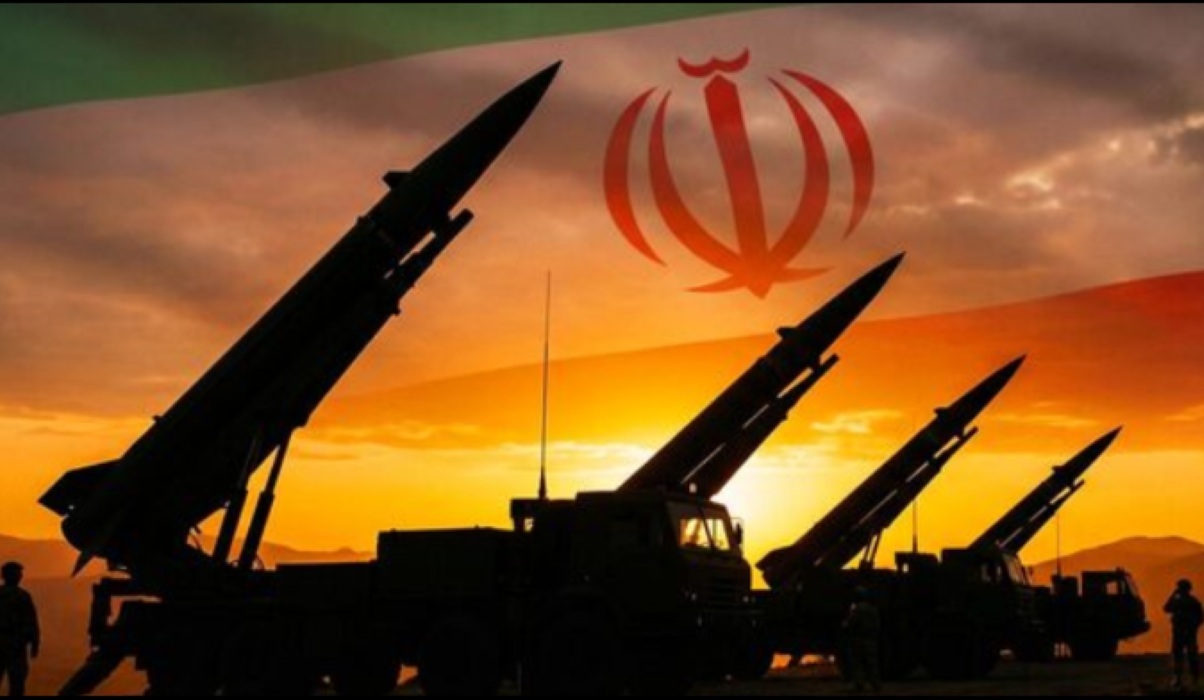
Iran has reportedly used its latest electro-optical missile for the first time in an attempt to attack United States (US) warships on Wednesday (9/9) local time. This move is part of Tehran’s retaliatory campaign against the presence of the American military fleet in the region.
The Islamic Revolutionary Guard Corps (IRGC) launched a wave of attacks overnight, targeting US forces in Jordan as well as 10 US warships around the Strait of Hormuz. Reports from The Telegraph suggest that the attacks on these vessels allegedly utilised electro-optical seekers, a missile technology that employs cameras and light sensors to track and strike targets with high precision.
US Central Command confirmed the attacks. However, officials noted that the attack attempts failed, including the strikes in Jordan, because the Iranian missiles were successfully intercepted by air defence systems.
Iran previously introduced a new ballistic missile named Qassem Bassir late last year. This medium-range missile is equipped with advanced sensors claimed to be capable of performing precision strikes without relying on GPS signals, making the weapon more difficult to neutralise via signal jamming systems.
Mohsen Rezaei, the newly appointed Secretary of Iran’s Supreme National Security Council, hinted at the debut of a special anti-destroyer missile during Wednesday’s attacks. He praised the use of this new weaponry as part of a new approach to the nation’s defence policy. Nevertheless, it has not been officially confirmed whether the Qassem Bassir was the specific weapon used in last night’s operation.
Iran’s attacks are described as a response to previous US aggressive actions that destroyed five oil tankers near the Tehran regime’s Kharg Island oil centre. Iran stated that its armed forces were exercising their legitimate right to defence by attacking US military facilities in Jordan and vessels in regional waters.
The situation is escalating further after the IRGC issued warnings of follow-up attacks against oil tankers and military bases in Bahrain and Kuwait. They have called for all crews to immediately evacuate vessels in the area.
To date, tensions in the Strait of Hormuz continue to be closely monitored by the international community, given the potential for broader global energy supply disruptions if the conflict persists.