
Iran Submits Revised 14-Point Peace Plan After Trump's Hardline Threats
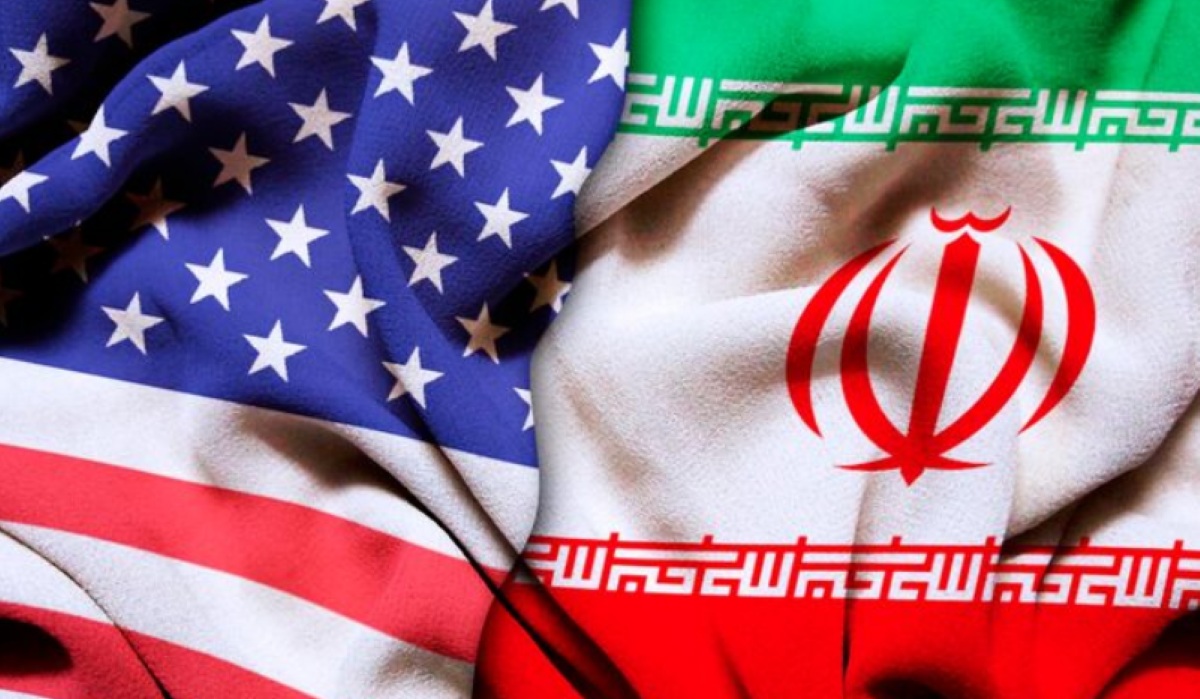
Tensions between Tehran and Washington have entered a crucial new chapter. Iran is reported to have handed over a revised 14-point peace plan to the Pakistani mediator. Meanwhile, state media in Iran claimed concessions from the United States in the negotiation process. However, news about the proposal appeared only a few hours after President Donald Trump issued a stark warning via Truth Social. “For Iran, time is running out, and they should move quickly, or there will be nothing left of them. Time is of the essence,” Trump wrote on Sunday (17 May).
Tasnim News Agency, affiliated with the Islamic Revolutionary Guard Corps (IRGC), reported that the new plan focuses on negotiations to end the war and confidence-building measures from the American side. The Iranian media also launched a bold claim that the US had agreed to suspend temporarily some oil sanctions during the negotiation period. If true, this would be a major concession from Washington as a goodwill gesture. However, the claim has not yet been confirmed by US officials or by the mediator’s representatives.
On the American side, the negotiations are led by Special Envoys Steve Witkoff and Jared Kushner. Trump’s team is pressing Iran to meet two main points:
- The President has taken a very firm stance that Iran should hand over all stock of uranium enriched up to 60%. According to Witkoff, the 60% enriched uranium stockpile would be sufficient to produce 11 nuclear bombs if further enriched to weapons-grade (90%).
Despite the exchanges, the diplomatic process faces major challenges. US Secretary of State, Marco Rubio, stated that internal divisions within the Iranian regime are the major obstacle in obtaining a prompt response to the American counter-proposal.
“Four to five days are often needed to obtain a response from the Iranian side. The problem is that they are internally split, which makes negotiations very difficult,” Rubio told NBC Nightly News.
As of now, Iran continues to refuse to hand over its uranium stockpiles, which are believed to be buried deep beneath the ruins of sites previously targeted by airstrikes. The US continues to monitor those locations via satellites. The option of taking the nuclear material by military means remains under consideration, though it carries very high operational risks.