
Iran studies attacking US military assets in Europe if Trump escalates
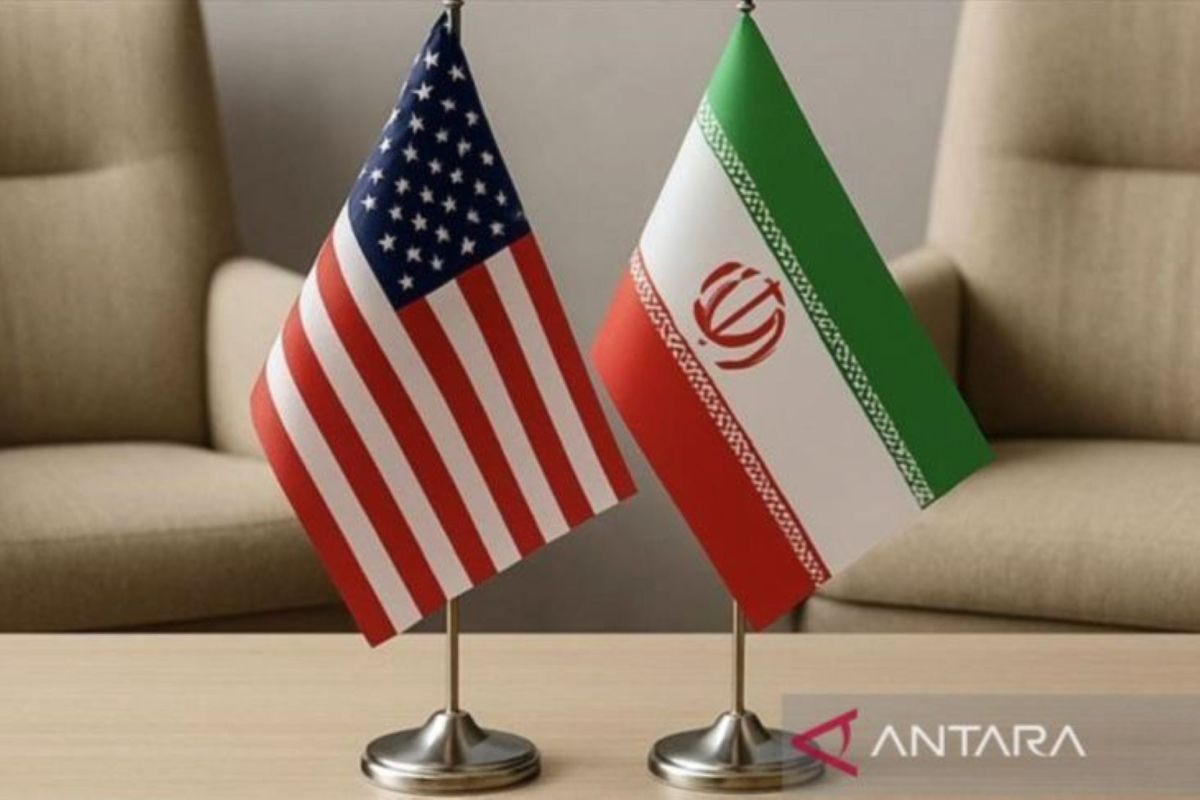
Iran is studying the possibility of attacking American military assets in Europe if President Donald Trump escalates the war, as part of Tehran’s options to extend the conflict beyond the Middle East, the Financial Times reported on Wednesday.
Citing two sources close to the Iranian government, the British daily reported that Iranian forces have examined the possibility of strikes against US assets in south-eastern European countries, including Bulgaria, which last month approved the use of Bezmer Air Base by American refuelling aircraft.
Cyprus, whose British air base was targeted by a drone attack in March, is also being considered as a potential target if the US launches further strikes, according to one source.
Iranian forces have separately examined the possibility of targeting undersea fibre-optic cables in the Strait of Hormuz in the event of further escalation, the report said.
One source told the Financial Times that Tehran is preparing a number of options to widen the conflict if Trump follows through on his earlier threat to strike Iranian infrastructure.
“If the US goes too far, Iran will defend itself by any means, beyond the region and striking Europe as well,” the source said.
The report emerged as negotiations over the reopening of the Strait of Hormuz remain stalled and the prospect of resuming Tehran-Washington talks grows increasingly dim.
Trump said on Tuesday that there are “no talks or conversations ongoing or scheduled” with Tehran.
Iranian military officials have previously warned that any military base used to launch attacks on Iranian territory could be considered a target.
The report also cited military experts who said Iran possesses missiles capable of reaching parts of southern and south-eastern Europe, although their effectiveness and accuracy may diminish at longer ranges.
Iran and the US signed a memorandum of understanding in June aimed at ending the war and paving the way for a broader agreement. However, the deal subsequently collapsed amid mutual accusations of violations and a renewed outbreak of hostilities.
Diplomatic efforts since then have yet to produce a breakthrough in reopening the Strait of Hormuz or resuming negotiations on a broader agreement.