
Iran Strengthens Global Bargaining Position via Houthi Control of Bab al-Mandab Strait
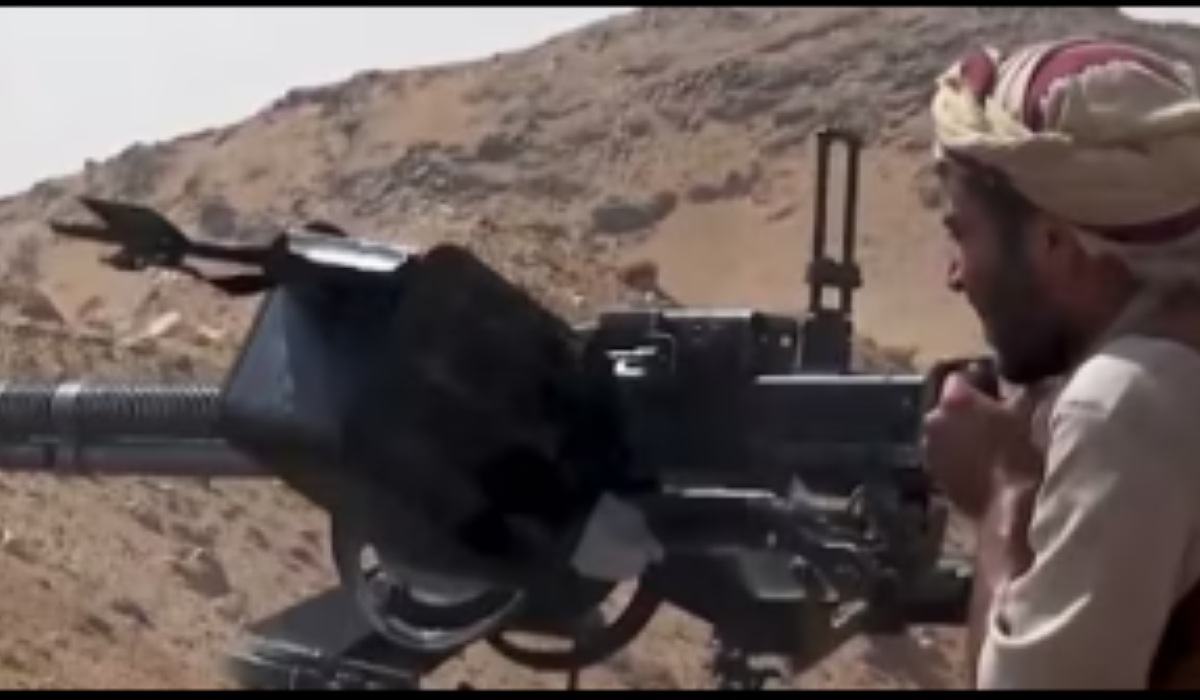
Lightning strikes launched by the Iran-backed Houthi militia along the Yemeni coast of the Red Sea have strengthened Tehran’s bargaining position in an economic war of attrition with Washington. This success provides Iran with the capability to threaten waterways that play a more extensive role in global shipping than the Strait of Hormuz.
Last week, Houthlag groups swept through the coastal towns of Mocha and Dhabab and seized Perim Island. This move has consolidated their grip over the Bab al-Mandab Strait, the gateway to the Red Sea known as the ‘Gate of Tears’.
‘This is a major strategic achievement, almost unparalleled, for Iran and the Houthis,’ said Dennis Citrinowicz, an Iran expert at the Institute for National Security Studies in Tel Aviv. According to him, Houthi progress provides Tehran with immense additional influence just as they are attempting to increase economic costs in their confrontation with the United States.
Based on 2023 UN data, approximately 8.7 per cent of global maritime trade passes through the Bab al-Mandab Strait. This route is one of the world’s busiest chokepoints. The strait, which connects the Red Sea to the Gulf of Aden and the Indian Ocean, is only about 29 km wide at its narrowest point. Perim Island naturally divides the strait into two traffic channels, meaning disruptions at this point will directly impact the supply chains of bulk commodities, manufactured goods, and global energy.
With control over the Strait of Hormuz and now Bab al-Mandab, Iran possesses the ability to pressure Washington from multiple fronts. This situation presents a heavy burden for President Donald Trump, particularly ahead of the upcoming midterm elections in November, amidst surging energy prices.
Following the Houthi advances, oil prices surged above US$100 per barrel, the highest level since May. An official from the internationally recognised Yemeni government described this situation as a moment where Iran is truly beginning to win the war of attrition.
Furthermore, Iran has demonstrated its regional influence through drone attacks from Iraqi territory that struck Saudi Arabia’s East-West oil pipeline. This pipeline transports up to 7 million barrels of oil per day to the Red Sea. These attacks prove that energy supplies are highly vulnerable, both through maritime routes and land-based pipelines.
Although Trump has expressed a peaceful tone, stating that the Houthis do not wish to go to war with the US, analysts remain vigilant. Sima Shine, a senior researcher and former head of analysis at Mossad, assesses that Iran is utilising the window of time before the US elections to drive up oil prices and pressure Trump through coordinated multi-party manoeuvres involving militias in Iraq and the Houthis in Yemen.
However, US military options appear limited. Abdullah al-Junaid, a geopolitical commentator in Bahrain, noted that the US Navy is currently overstretched to handle various threats simultaneously in both Iran and Yemen. ‘Regional powers need to step forward. We can no longer rely solely on the US to resolve our regional problems,’ he asserted.
The Houthi success is not merely a conventional battlefield victory in Yemen, but a fundamental shift in Iran’s bargaining position, placing significantly greater pressure on the global energy system without clear military or economic solutions in sight.
Source: jawawa.id (https://jawawa.id/newsitem/iran-strengthens-global-bargaining-position-via-houthi-control-of-bab-al-mandab-strait-1789563224)
Originally published by Media Indonesia (https://mediaindonesia.com/internasional/934132/iran-perkuat-posisi-tawar-global-lewat-kendali-houthi-di-selat-bab-al-mandab), translated from Indonesian