
Iran Retaliates Against US Attacks: What is Known So Far?
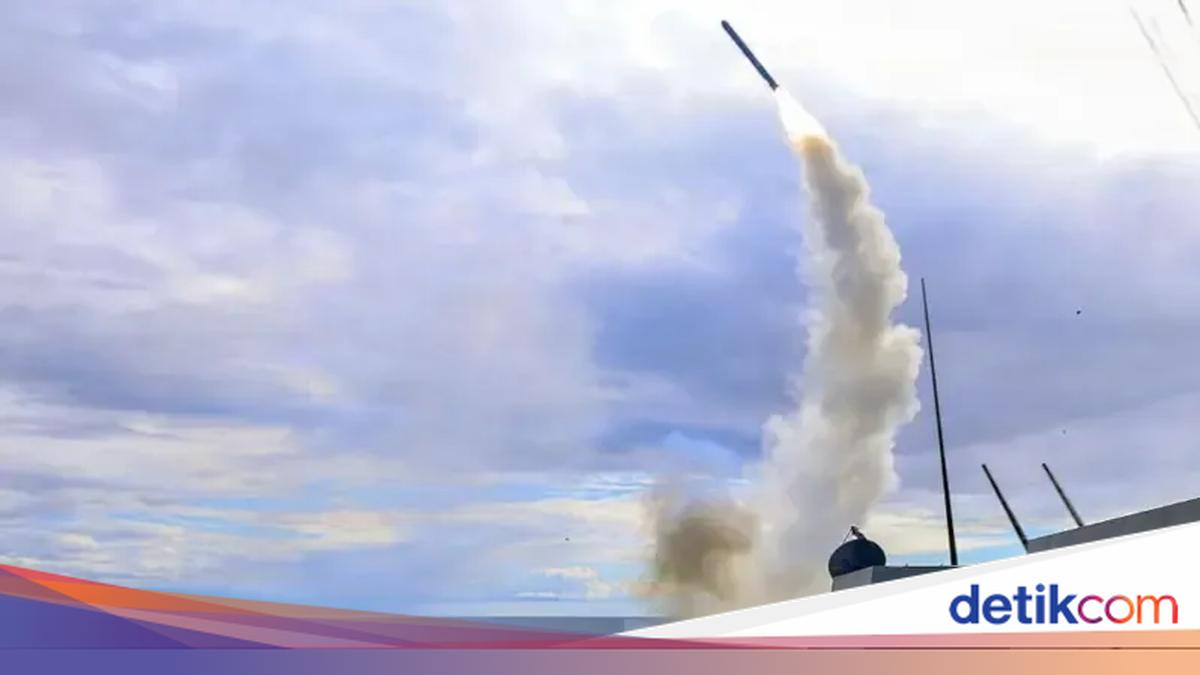
United States forces continued attacks against Iran on Tuesday, according to US Central Command (Centcom), which subsequently triggered retaliatory missile and drone strikes against several US targets, according to Iranian news agencies.
The Iranian Red Crescent stated that four people, including a small child, were killed and more than 50 others injured after debris from US missile projectiles hit a house hosting a wedding celebration in Sirik, southern Iran.
Iran then launched retaliatory strikes following reports of explosions at a US military base in Erbil, Iraq, as well as separate missile attacks targeting a US base in Jordan.
Centcom stated that the US attacks were carried as a response to “recent attack attempts” by the Islamic Revolutionary Guard Corps (IRGC) against commercial vessels traversing the Strait of Hormuz.
The IRGC stated that the United States would regret the attacks.
According to the semi-official news agency Tasnim, in the early hours of Wednesday, Iran launched a barrage of ballistic missiles at a US Marine base in Aqaba, Jordan, in retaliation for the attacks in Sirik.
The Jordanian Armed Forces stated they successfully intercepted 10 ballistic missiles, with no casualties or injuries reported from the Iranian attack, according to reports from the government-affiliated Al-Mamlaka network.
The network also reported that Jordan’s national security centre had warned residents in Aqaba and Mafraq provinces regarding the possibility of falling missile debris, a warning that was subsequently rescinded.
Separately, the Kuwaiti military stated that its air defence systems responded to Iranian missile attacks in the early hours of Wednesday.
A number of explosions were also reported in Bahrain following the attacks launched by Iran, according to Iranian state media.
When announcing the US attacks on Tuesday afternoon, President Donald Trump warned that Iran would face “much harder and larger” retaliatory strikes if it responded.
This latest escalation follows the first known US attacks on Iran since late July, which took place earlier this week when US forces struck two rocket launchers on Larak Island in the Strait of Hormuz.
Tehran subsequently responded by firing missiles at an airbase in Jordan and launching drones towards the United Arab Emirates.
Centcom stated that US forces began attacking IRGC targets at 12:00 PM Eastern Time, and the operation concluded in the early hours of Wednesday.
Iranian state media reported that a four-year-old child was among the four fatalities in the Sirik attack.
Other reports indicated that projectiles also hit the Chabahar and Konarak regions, as well as an airport in Jiroft. Explosions were also heard on Qeshm Island and in Bandar Abbas.
US Navy Captain Tim Hawkins, speaking on behalf of Centcom, told the BBC that they were aware of Iranian state media reports regarding the attacks in Sirik.
He added: “The US military never targets civilians, unlike the IRGC.”
Trump stated that the “large and powerful” attacks launched on Tuesday were a response to Iran’s initial attacks on a US military base in Jordan. He also accused Iran of “failing” in its attempts to plant sea mines in the Strait of Hormuz.
The US President further warned that much larger-scale attacks “are prepared” if tensions continue to rise.
The United States and Israel launched massive attacks against Iran on 28 February 2026.
Iran subsequently retaliated by attacking Israel, US military bases, and Washington’s allies in the Gulf region.
The conflict has also effectively resulted in the closure of the Strait of Hormuz to shipping traffic.
A US-Iran agreement, known as the Memorandum of Understanding to extend the ceasefire between the two nations, was signed in June 2026.
However, that agreement has now expired, triggering a resurgence of hostilities.
Both the US and Iran have also been involved in mutual attacks on shipping.
Tehran is targeting vessels that it claims are attempting to traverse the Strait of Hormuz without permission, while Washington has imposed a naval blockade on Iranian ports.
Washington also announced a new sanctions campaign on 24 August, aimed at further isolating Tehran and expanding secondary sanctions against countries and parties allied with it.
Iranian officials and state media have largely downplayed the move.
They described it as a continuation of the existing US economic pressure policy, which they claim was implemented following Washington’s military failures in the recent conflict.
However, on Tuesday, Iranian President Masoud Pezeshkian was quoted by state media saying that if the United States returns to its commitment to the agreement, Iran will also provide an equivalent response by respecting the treaty.