
Iran Retaliates Against US Attacks, Missiles Fall in Kuwait
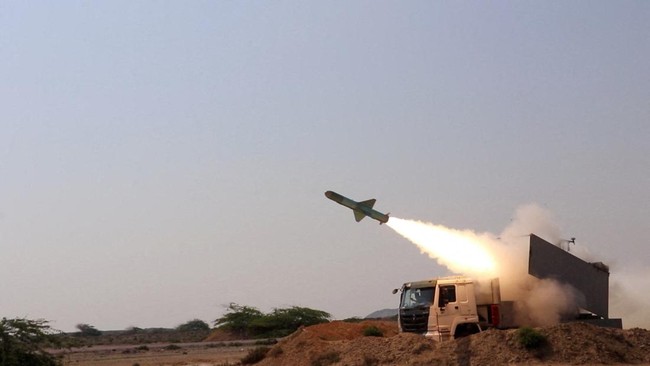
The Islamic Revolutionary Guard Corps (IRGC) of Iran has launched a retaliatory attack against military facilities used by United States (US) forces. This move follows Washington’s strikes on several targets in Iran over the previous weekend.
In its statement, the IRGC claimed the attack was a response to US military strikes on a communication tower on Sirik Island, Hormozlar Province. According to the IRGC, the airbase identified as the source of the US attacks was targeted by Iranian Air Force fighter jets.
“Following the aggression of US troops against the communication tower on Sirik Island in Hormozgan Province one hour ago, IRGC Air Force fighter jets targeted the airbase from which the aggression originated, and the predicted targets were destroyed,” stated the IRGC, as reported by Fars News Agency on Monday (1/6/2026). However, Iran did not disclose the specific location of the targeted base.
Simultaneously, Kuwait reported that its air defence systems successfully intercepted several missiles and drones passing through its airspace. Warning sirens were heard across various regions of Kuwait during the incident.
The Kuwaiti Ministry of Foreign Affairs strongly condemned the Iranian attacks that entered its territory. The Kuwaiti government assessed that such actions could exacerbate the security situation in a region that is already in a vulnerable state.
“The Ministry emphasises that the continuation and repetition of this aggression undermines efforts aimed at easing tensions and threatens the security and stability of the region,” the ministry stated, as quoted by Al Jazeera on Tuesday (2/6/2026).
Previously, the US admitted to attacking Iranian targets in response to Tehran’s downing of a US MQ-1 drone operating over international waters. US Central Command (CENTCOM) stated that the strikes destroyed Iranian air defence systems, ground control stations, and two attack drones deemed a threat to regional shipping.
CENTCOM also confirmed that no US military personnel were injured during the Iranian retaliation. Washington stated it would continue to protect its assets and interests during the ongoing ceasefire period.
This latest series of exchanges occurs while indirect negotiations between the US and Iran continue. Both parties are reportedly discussing a Memorandum of Understanding (MoU) that could extend the ceasefire for 60 days and pave the way for more permanent peace talks.
According to several US media reports, the draft MoU includes guarantees for freedom of navigation in the Strait of Hormuz without hindrance or additional levies. Iran is also reportedly given 30 days to clear all sea mines in the area and has committed not to develop nuclear weapons.
Iranian state media reported that the draft agreement also includes plans for the release of frozen Iranian state assets valued at US$12 billion. However, the White House denied these reports, calling them fabricated information.
Iranian Foreign Ministry Spokesperson Esmaeil Baghaei stated that the diplomatic process is moving slowly due to high levels of mistrust between the two sides. He noted that changing attitudes and shifting demands from Washington are factors complicating the negotiations.
Meanwhile, US President Donald Trump expressed optimism that a deal could be reached. In a post on Truth Social, Trump stated that Iran “really wants to make a deal” and believes the final outcome of the negotiations will benefit the US and its allies.
“Don’t worry, everything will work out in the end - it always does!” Trump wrote.