
Iran Restricts Strait of Hormuz: Which Countries Have Permission to Pass Through?
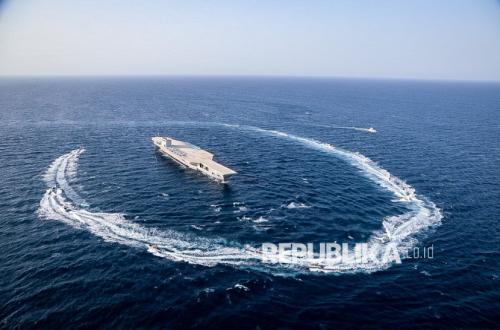
REPUBLIKA.CO.ID, JAKARTA – The United States and Israel’s attacks on Iran on 28 February 2026 damaged various public facilities in Iran, claimed thousands of lives, and resulted in the death of Iran’s Supreme Leader Ayatollah Ali Khamenei. In retaliation, Iran launched strikes on several US military facilities in Middle Eastern countries and restricted passage through the Strait of Hormuz. The escalation of tensions around Iran has also caused a de facto blockade of the Strait of Hormuz, which is the main route for shipping oil and liquefied natural gas from Persian Gulf countries to global markets. The blockade has impacted oil export and production levels in the region. Consequently, fuel prices have risen in most countries around the world. Following these restrictions, around 1,900 commercial ships have been held in the Strait of Hormuz area, mainly in the Persian Gulf, since the US and Israeli operation against Iran on 28 February 2026. Since the start of the attacks, Tehran has effectively closed the strategic waterway to ships affiliated with the US and Israel, halting maritime traffic in the strait. Ships in the area preparing to cross the strait cannot continue their journey due to military tensions, with most detained ships dropping anchor in open waters. Meanwhile, Tehran has stated that ships from countries other than the US and Israel may still pass through the Strait of Hormuz as long as they are not involved in or supporting aggression against Iran and fully comply with safety and security rules.