
Iran Rejects US Ceasefire Proposal, Threatens to Strike Israel
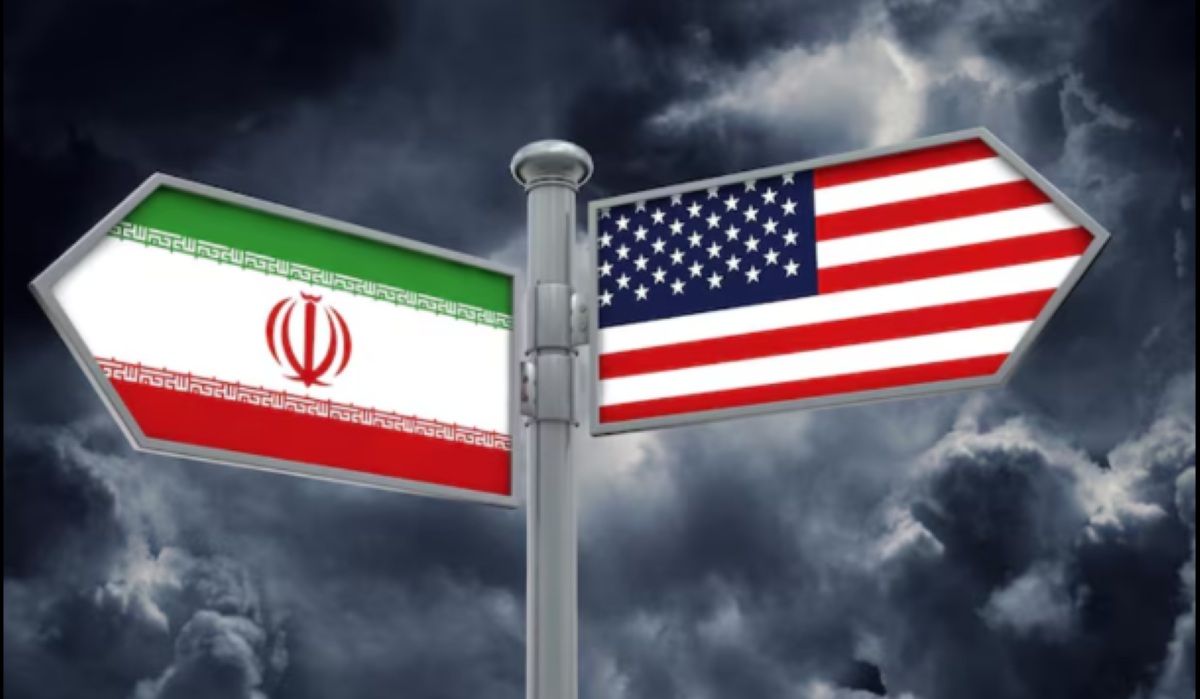
Iran has formally rejected the ceasefire proposal put forward by the United States (US) via an Iraqi mediator on Thursday (23/7). The rejection came amid a wave of US air strikes entering their 13th consecutive night against targets in the Islamic Republic.
Iraqi Prime Minister Ali al-Zaidi travelled to Tehran to deliver the proposal, which was drawn up shortly after his meeting with US President Donald Trump at the White House earlier this month. Al-Zaidi’s office said the visit was aimed at calling for peace and dialogue, and assuring that Iraqi territory would not be used to attack Iran.
However, Iranian officials told The New York Times that they are not interested in a temporary deal that does not address the final status of the Strait of Hormuz, the vital shipping lane that is the central point of dispute in the negotiations.
As tensions escalate, Iranian officials warned that the next phase of escalation would include a direct attack on Tel Aviv. If Trump carries out his threat to strike infrastructure in Tehran, Iran has promised to retaliate against Israel and to order the Houthi group in Yemen to impose a maritime blockade on the Bab al-Mandab strait.
Although Israel was involved in the early stages of the war that began on 28 February, it has largely held back in the latest wave of fighting. Iran’s threat, however, signals the conflict’s potential to widen and drag the Israeli military back into direct confrontation.
In Washington, President Donald Trump issued a stern warning via the Truth Social platform. He said the US would use Iranian funds under Washington’s control to pay for any and all damage suffered by ships and cargo from attacks around the Gulf.
Iranian Foreign Minister Abbas Araghchi responded sharply to the policy. ‘Seizing another state’s assets to pay unrelated future claims is an incendiary precedent,’ Araghchi wrote. He warned that normalising asset seizures would create global chaos that would not end peacefully.
US Central Command (Centcom) announced that the 13th night of strikes targeted Iranian military command centres, drone storage facilities, communications networks and coastal surveillance sites. Iranian state media reported explosions heard in the cities of Ahvaz, Omidiyeh and Bandar Abbas, as well as on Qeshm Island in the Strait of Hormuz.
Hours after the US strikes, the escalation spread to neighbouring countries.
Araghchi stressed that Iran would hold accountable any country that assists the US in attacks on its territory. ‘Any participation or assistance in committing aggression against Iran will create international responsibility for the parties involved,’ he declared at a meeting in Kyrgyzstan on Friday (24/7).
The Iran conflict has driven oil prices above US$100 per barrel. Analysts have warned of a potential rise even higher as global energy reserves dwindle.
Iran is reported to be rebuilding missile bases and military infrastructure destroyed by US and Israeli strikes at a surprising pace.
President Donald Trump is reportedly frustrated by the drawn-out Iran war. He is now considering full military options after diplomacy failed.
The US House of Representatives passed a resolution to limit President Donald Trump’s war powers against Iran following an escalation of the conflict that killed US military personnel.
Iranian missile attacks on the Muwaffaq Salti air base in Jordan killed three US personnel, proving that Tehran’s missile programme remains a real threat.
Market analyst Ibrahim Assuaibi said the rupiah’s weakness was influenced by the import tariffs imposed by US President Donald Trump on Indonesia.
The Indonesian government has responded to the latest policy from the US Trade Representative’s office.
Donald Trump asserted the US would inflict major military punishment on Iran after the Houthis attacked a tanker in the Red Sea, sending oil prices soaring.
The Trump administration has officially imposed new import tariffs of 10%-12.5% on 60 trading partners, including Indonesia, to curb global forced labour practices.