
Iran Rejects US Ceasefire Proposal Delivered by Iraqi PM
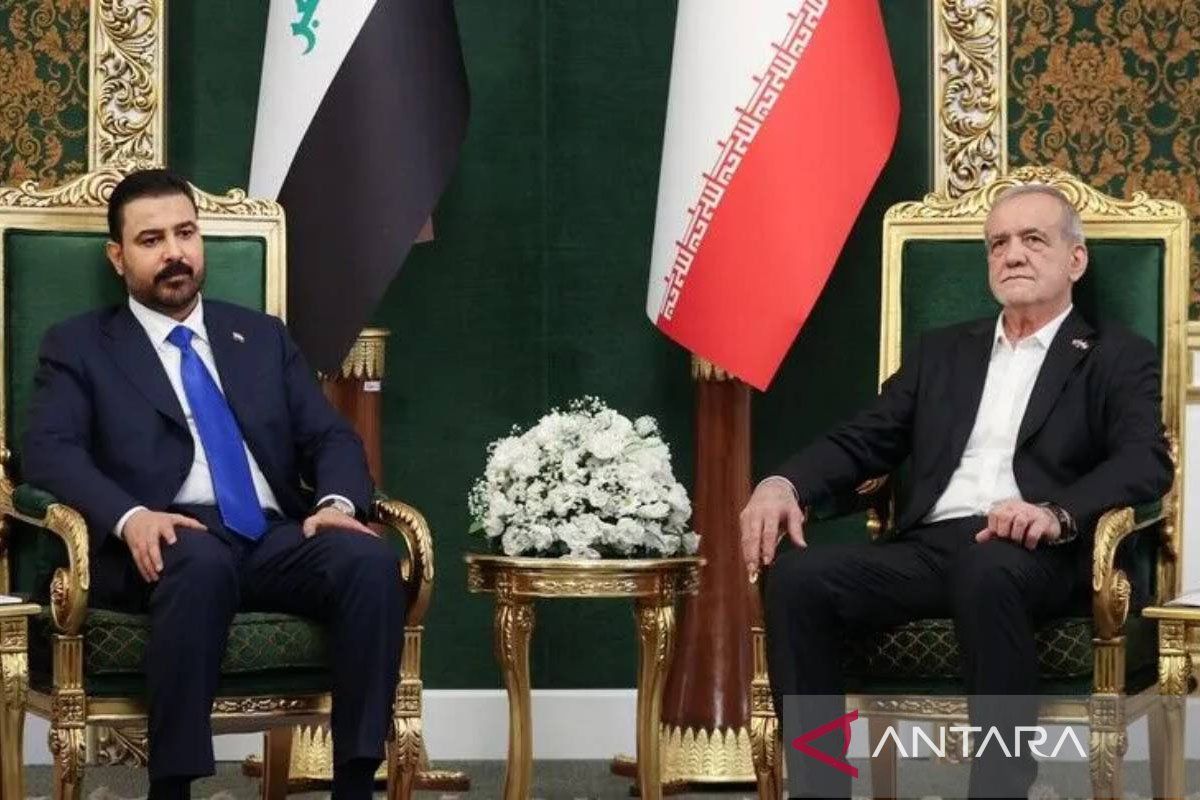
Washington (ANTARA) - Iran has rejected a United States ceasefire proposal conveyed by Iraqi Prime Minister Ali al-Zaidi, according to a report by The New York Times, as fighting between the two countries continues for nearly two weeks.
Citing Iranian and Iraqi officials familiar with the matter, the newspaper reported that al-Zaidi delivered the proposal during a visit to Iran after meeting US President Donald Trump at the White House.
Details of the proposal have not been disclosed. However, Iranian officials described it as the only proposal currently put forward by the US. Iran rejected it on the grounds that it does not resolve the issue of control over the Strait of Hormuz.
According to Iranian media, al-Zaidi’s visit to Tehran was his first official trip since taking office as Iraqi prime minister in May.
The report further stated that Iranian officials are preparing for the possibility of a broader conflict, should Trump follow through on his threat to attack Iran and other critical infrastructure.
Two Iranian officials told The New York Times, as cited by Anadolu, that such an attack would prompt Iran to escalate the war to a regional level, including by targeting Tel Aviv.
Iran would also call on the Houthi movement in Yemen to close the Bab al-Mandab Strait.
Earlier, on Wednesday (22 July), Iranian authorities said the death toll from the ongoing US attacks had reached 53, with another 592 people injured.
Tensions in the region have escalated over the past two weeks after Trump announced on 8 July that the ceasefire stipulated in the Islamabad MoU between the US and Iran was no longer in effect.
The confrontation has disrupted shipping traffic through the Strait of Hormuz, threatened global energy supplies, and triggered periodic closures of airspace in the region.
In addition, warnings of attacks on US facilities and interests outside the Middle East region have also intensified.
Source: Anadolu