
Iran Rejects Claims of Using Unfrozen Assets to Purchase US Agricultural Products
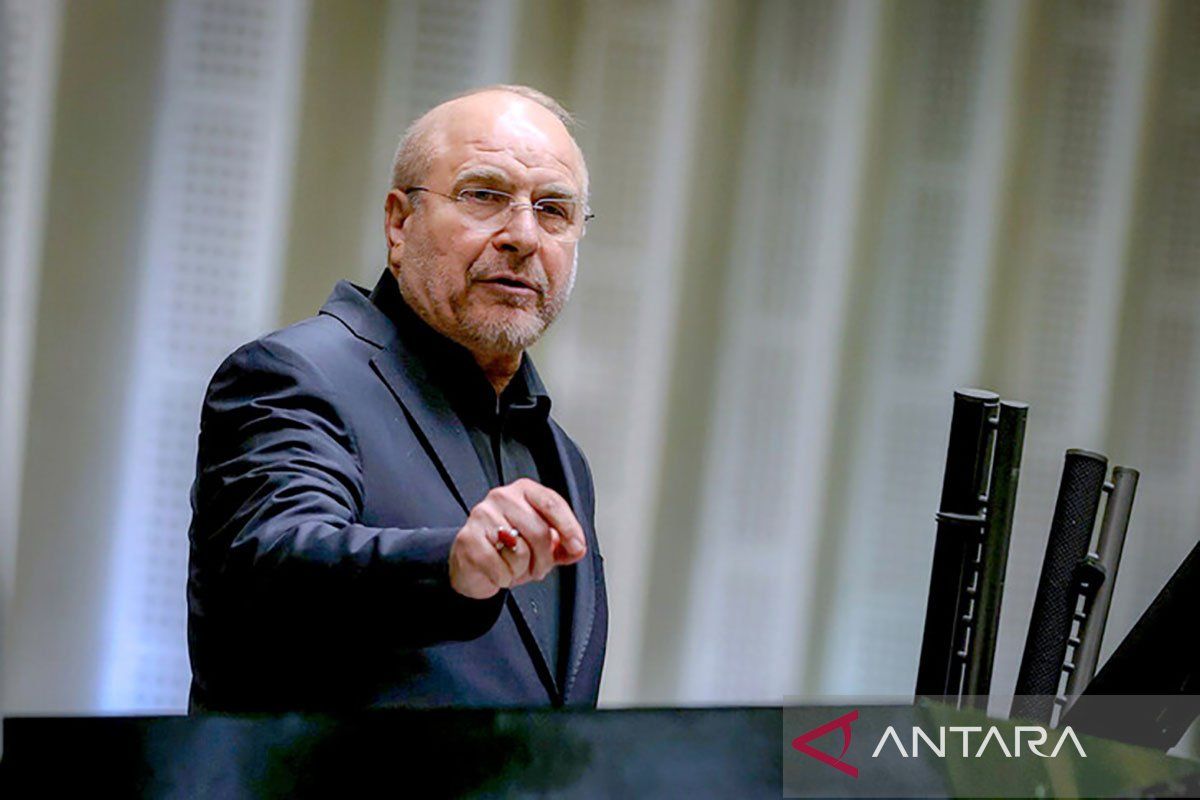
Iranian Parliament Speaker Mohammad Bagher Qalibaf, who leads the country’s negotiating team, on Thursday rejected American claims that Tehran’s unfrozen assets would be used to purchase US agricultural products. “America falsely claims that our unfrozen assets will be used to buy their agricultural products,” Qalibaf wrote on social media platform X. “The only crop we harvest is what you have sown: decades of distrust. That harvest is natural, abundant, and domestically grown,” he added. Qalibaf also criticised Washington’s trade and political record, stating that the United States “only exports GMO soybeans, broken promises, and nonsense.”
The statement came after US President Donald Trump said on Wednesday that the initial phase of financial relief for Tehran would involve approximately $500 million in American goods. Trump stressed that no cash would be given directly to Tehran, and instead Washington would use Iranian funds under supervision to pay American farmers for exports such as corn and wheat. “Iran desperately needs food, and we will buy it for them exclusively from the United States,” Trump said.
Meanwhile, US Treasury Secretary Scott Bessent told CNBC on Wednesday that the United States would oversee the disbursement of frozen Iranian funds in the Gulf region under the Iran-US agreement reached during the Trump era. “Any funds Iran receives in the initial stage will be used for the benefit of the Iranian people. It will be frozen Iranian funds,” Bessent said. He added that the first disbursement would likely be made through Qatar, with US Treasury officials stationed in Doha to monitor the use of the funds. According to Bessent, a very large percentage of the funds would be used to purchase food and medicine from the United States, with Washington channelling the money back into American products under Treasury supervision in the Middle East.
The comments come amid ongoing debate over the implementation of the latest understanding between Iran and the United States, which includes provisions on sanctions relief and the release of frozen Iranian assets. The deal, mediated by Pakistan, came into effect on 18 June after being electronically signed by Iranian President Masoud Pezeshkian and US President Donald Trump.