
Iran Refuses to Surrender Before Victory Against the United States
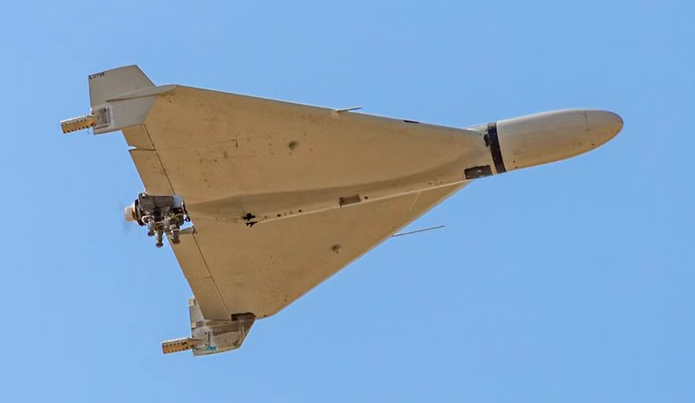
The Iranian government and people will not agree to a ceasefire until the attacking party is taught a lesson so they no longer contemplate further military action against Tehran, said Iranian Parliament Speaker Mohammad Bagher Ghalibaf on Tuesday, 10 March.
“We firmly do not seek a ceasefire. We are confident that the aggressor must be ‘slapped’ so that he learns from his mistake and never again thinks of aggression against our beloved Iran,” Ghalibaf wrote on X.
He added that Iran intends to break the cycle of “war-negotiation-ceasefire and then war again”.
On 28 February, the United States and Israel launched attacks against targets in Iran, including Tehran, causing damage and civilian casualties. Iran subsequently retaliated by attacking Israeli territory and US military facilities in the Middle East.
The US and Israel initially claimed that the “preemptive” strikes were necessary to address what they viewed as threats from Iran’s nuclear programme, but subsequently made clear their desire to see a change of power in Iran.
Iran’s Supreme Leader Ayatollah Ali Khamenei was reported killed on the first day of the military operation. The Islamic Republic of Iran declared a 40-day period of national mourning.
For Iran, the logic is straightforward: as long as they do not lose, they win. The decision has prompted major questions about whether this is purely an internal Iranian decision or reflects deeper geopolitical dynamics.
The oil embargo imposed by Arab countries in the OPEC oil cartel against nations supporting Israel during the October 1973 war caused oil prices to spike dramatically. The largest defence companies in the United States have agreed to quadruple production fourfold.
Iran claims to have destroyed fuel tanks and gas facilities at the base, US helicopter landing zones, and logistical and support facilities.
When asked whether the war would end this week, officials responded negatively but indicated it would end soon. Officials explained that organisers continue to monitor developments in the global situation whilst collaborating with federal partners.
Global oil prices fell sharply amid the US-Iran conflict following a statement by President Donald Trump suggesting the war could end soon. US Senator Lindsey Graham threatened to cut defence cooperation if Saudi Arabia refuses to join military action against Iran. Riyadh and the UAE stressed that their territory must not be used for attacks.