
Iran Refuses to Grant Additional Concessions to the US
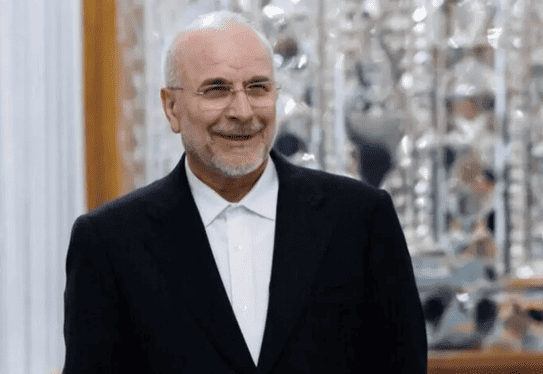
Iran’s Parliament Speaker and chief negotiator with the United States, Mohammad Bagher Ghalibaf, has asserted that Washington will not be able to force Tehran to grant additional concessions. The statement comes as the US continues to increase pressure on Iran.
Ghalibaf considers the steps currently being taken by the US government to be beyond their capabilities. He urged Washington to stop hoping for an instant solution to a problem that he said the Americans created themselves.
“America thinks that pressing Iran harder will produce concessions that were never part of the agreement. (US Treasury Secretary Scott) Bessent and (US Secretary of War Pete) Hegseth are already far beyond their capabilities. Stop hoping they will suddenly find a magical solution to clean up the mess you made yourselves,” Ghalibaf said via platform X, as reported by Anadolu on Wednesday (19/8).
Tensions between the two countries have escalated again after the previously reached ceasefire agreement began to be called into question. On 8 July, US President Donald Trump officially declared that the ceasefire agreed with Iran on the night of 18 June was no longer in effect.
Following that statement, the US military, through Central Command (CENTCOM), launched a series of strikes against Iran. CENTCOM claimed that the military action was a response to Iranian activity against commercial vessels transiting the Strait of Hormuz.
Tehran responded to the attacks by launching retaliatory strikes against a number of US military bases spread across several Middle Eastern countries. In addition, Iran took the drastic step of closing the Strait of Hormuz and accused Washington of unilaterally violating the ceasefire agreement.
The situation has heightened concerns about a wider escalation of conflict in the region. The Strait of Hormuz is a vital logistics route for world trade, particularly as the lifeblood of global energy distribution. Disruption in this area is predicted to have a significant impact on international economic stability.