
Iran Postpones Technical Talks with US in Protest Against Israeli Actions in Lebanon
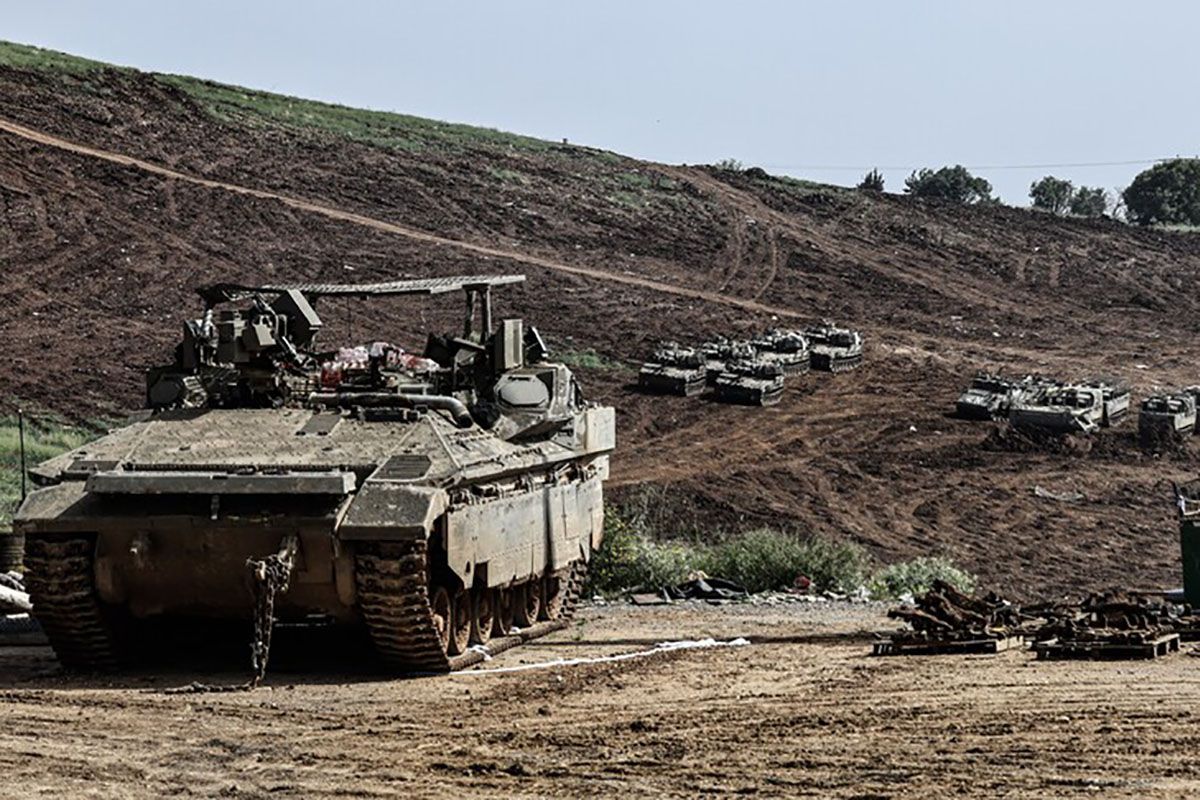
Istanbul (ANTARA) - Iran has postponed technical-level negotiations with the United as scheduled to take place in Switzerland on Friday, as a protest against “ongoing” ceasefire violations by Israel, particularly in southern Lebanon, according to several Pakistani government sources.
Sources stated that Iran’s chief negotiator, Bagher Qalibaf, and Foreign Minister Abbas Araghchi had prepared to fly to Switzerland to hold direct talks with the US. However, the travel plans were cancelled at the last minute after receiving “directives” from “Iran’s supreme leadership.”
It remains unclear whether these directives came directly from Iran’s Supreme Leader, Mojtaba Khamenei, who previously expressed “differing views” regarding the US-Iran agreement to end the war. Sources added that, as of now, no new date or location has been set for the negotiations.
“Pakistan is communicating with both parties to establish a new date for the technical-level negotiations to reach a final agreement,” said a source familiar with the mediation process.
The signing of the Islamabad Memorandum by US President Donald Trump and Iranian President Masoud Pezeshkian had previously paved the way for direct negotiations between the two parties in Switzerland this Friday. The source noted that US Vice President JD Vance cancelled his trip to Switzerland after Pakistan conveyed Iran’s decision to the US.
“The logistics of these negotiations are never simple or predictable. For now, the Vice President will not be departing tonight,” said a White House spokesperson. However, they added that the administration hopes to begin technical negotiations “as soon as possible.”
The Swiss Foreign Ministry stated that the negotiations scheduled for Friday were cancelled.
The Islamabad Memorandum provides a 60-day window for both parties to formulate a final agreement. This agreement specifically focuses on Iran’s nuclear programme, aligning with Trump’s statement that the country must not possess nuclear weapons.
Pakistani Prime Minister Shehbaz Sharif stated that the Islamabad Memorandum takes effect immediately upon signing. He also noted that Iran and the US would take steps to fully reopen the Strait of Hormuz for international shipping. Sharif also signed the agreement acting as the “mediator.”
The agreement calls for an immediate and permanent cessation of all military operations on all fronts, including in Lebanon, accompanied by a commitment to refrain from the use of force and to guarantee Lebanese sovereignty.
Shortly after the US and Israel commenced hostilities on 28 February, Iran closed the Strait of Hormuz. On 13 April, US forces imposed a blockade on Iranian ports, making merchant shipping through the strategic waterway nearly impossible. Israel has also launched attacks on Lebanon that have killed almost 3,800 people, including civilians and military personnel, since the US-Iran war began.
More than 3,300 people, including civilians and soldiers, have died in Iran. Meanwhile, the US has confirmed the deaths of 14 personnel along with the loss of various weaponry and military aircraft.
After successfully achieving a ceasefire on 8 April, Pakistan hosted the highest-level direct negotiations between the US and Iran on 12-13 April. The meeting represented the most significant direct contact since the two nations severed diplomatic relations in 1979.