
Iran-Oman Negotiations Consider Ban on Military Vessels Passing Through Hormuz
Qatari Prime Minister Sheikh Mohammed bin Abdulrahman Al Thani will visit Tehran on Thursday (27/8) to seek the resumption of diplomacy between Iran and the United States, amid a lack of breakthrough as the war between the two countries enters its sixth month. The visit comes as attacks between the US and Iran have temporarily halted, but peace negotiations have yet to begin. Qatar, which is both a US ally and a neighbour of Iran, has served as an indirect channel of communication between the two sides and played a role in securing a ceasefire in June.
Qatar’s Ministry of Foreign Affairs said Sheikh Mohammed would discuss ways to “reduce tensions and create conditions conducive to dialogue”. The talks will also cover freedom of navigation in the Strait of Hormuz and the need to restore the situation to its pre-war state of 28 February.
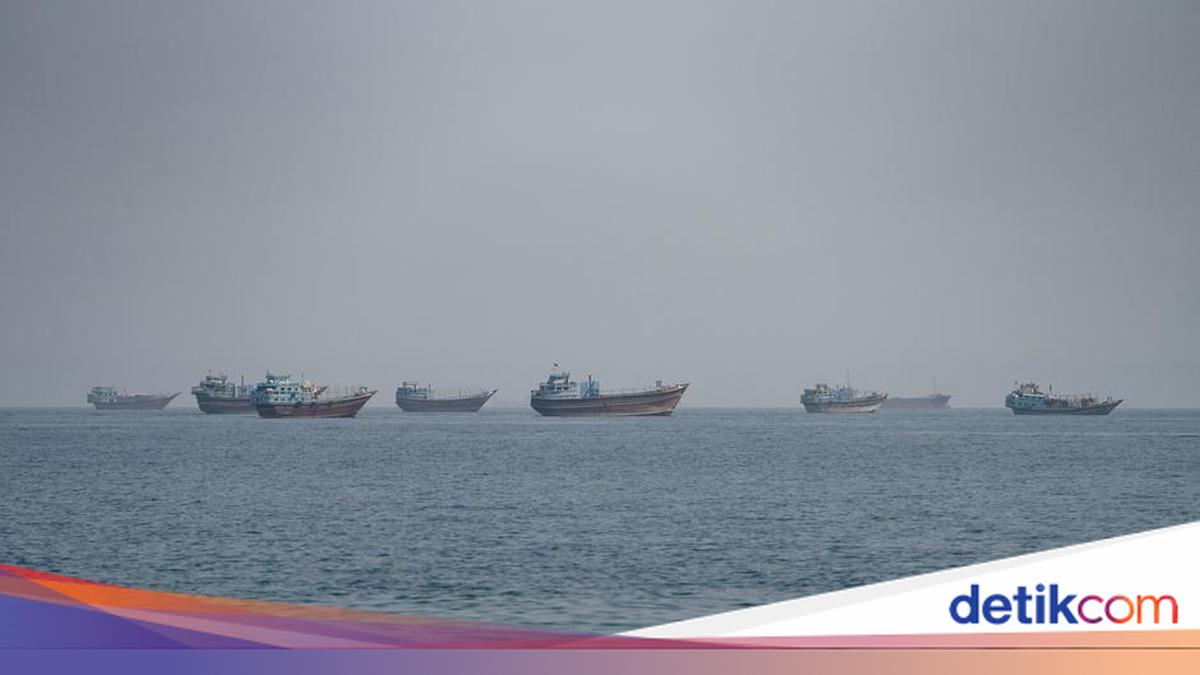
The issue of the Strait of Hormuz is one of the main obstacles to diplomatic efforts. The narrow waterway between Iran and Oman is a critical chokepoint for global oil traffic. According to Reuters, around 20 million barrels of crude oil per day passed through the strait before the war. On Monday, the volume transiting had fallen to around 5 million barrels per day, based on the latest vessel-tracking data.
Iran and Oman have been negotiating for several weeks over the management of shipping in the Strait of Hormuz. On Wednesday (26/8), Iran’s Revolutionary Guard said the two countries had reached an agreement on the division of waterways and revenue. However, a senior Iranian official told Reuters that the agreement had not yet been finalised and that both sides were still discussing the details.
“The agreement with Oman regarding the Strait of Hormuz has not been finalised,” the senior Iranian source told Reuters. The statement contradicted remarks by Brigadier General Hossein Mohebbi, spokesman for Iran’s Revolutionary Guard, who said Iran and Oman had “reached results acceptable to both sides” regarding control of the strait and its revenues.
Meanwhile, Iranian Deputy Foreign Minister Kazem Gharibabadi said on Tuesday (25/8) that commercial vessels heading to the Persian Gulf would pass through Iranian waters, while outbound traffic would partly use Iranian and Omani waters. According to Gharibabadi, the arrangement is temporary. Iran and Oman will discuss a permanent maritime traffic plan within 30 to 60 days. Military vessels will also not be permitted to transit the strait under the arrangement.
The dispute over Hormuz comes as Washington appears to be shifting pressure on Tehran from military operations towards economic measures. Reuters reported that the US military, through Central Command, has not reported strikes against Iran for nearly a month, while Washington plans to increase sanctions on Iran’s trading partners.
On the other hand, Revolutionary Guard spokesman Hossein Mohebbi said the Strait of Hormuz would remain closed until the US meets Tehran’s demands under the memorandum of understanding or temporary ceasefire signed in June before it subsequently collapsed. Those demands include an end to the US blockade of Iranian ports, compensation, and the lifting of sanctions.
Iran has also condemned the latest US sanctions threats. Foreign Minister Abbas Araghchi, in a letter to the United Nations on Tuesday, urged the organisation to condemn Washington’s move, which he said aims to cut Tehran off from the global economy. The economic assault, Araghchi said, constitutes “deliberate targeting of Iranian civilians” through restrictions on access to food, medicine, medical equipment, energy and other necessities.
“Silence in the face of such systematic coercion risks further normalising violations of the UN Charter and principles of international law,” Araghchi wrote in the letter obtained by The Associated Press.
Qatar’s efforts come as conditions in the Strait of Hormuz have yet to return to normal. The UN’s International Maritime Organization reported 70 incidents in the strait since 28 February that killed 19 seafarers, according to Reuters. Tehran and Washington are said to be seeking to assert control over the Strait of Hormuz by imposing their respective blockades. Although Iran’s conventional forces have been weakened by air strikes, Tehran still possesses missile and drone capabilities to threaten Gulf states and tankers.
According to AP, Iran and Oman have reached a potential agreement to regulate shipping without military vessels. However, Reuters reported that the details of the agreement are still being discussed. Amid the impasse, Qatar is seeking to revive diplomacy. Trump told Al Jazeera that he was in no hurry to resume talks with Iran. “I have no timetable; whatever it takes,” he said.
Source: jawawa.id (https://jawawa.id/newsitem/iran-oman-negotiations-consider-ban-on-military-vessels-passing-through-hormuz-1787831621)
Originally published by detikcom (https://news.detik.com/dw/d-8637053/negosiasi-iran-oman-wacanakan-larangan-kapal-militer-lewati-hormuz), translated from Indonesian