
Iran-Israel Conflict: Lebanon Ceasefire, Nuclear Talks, and Hormuz Control
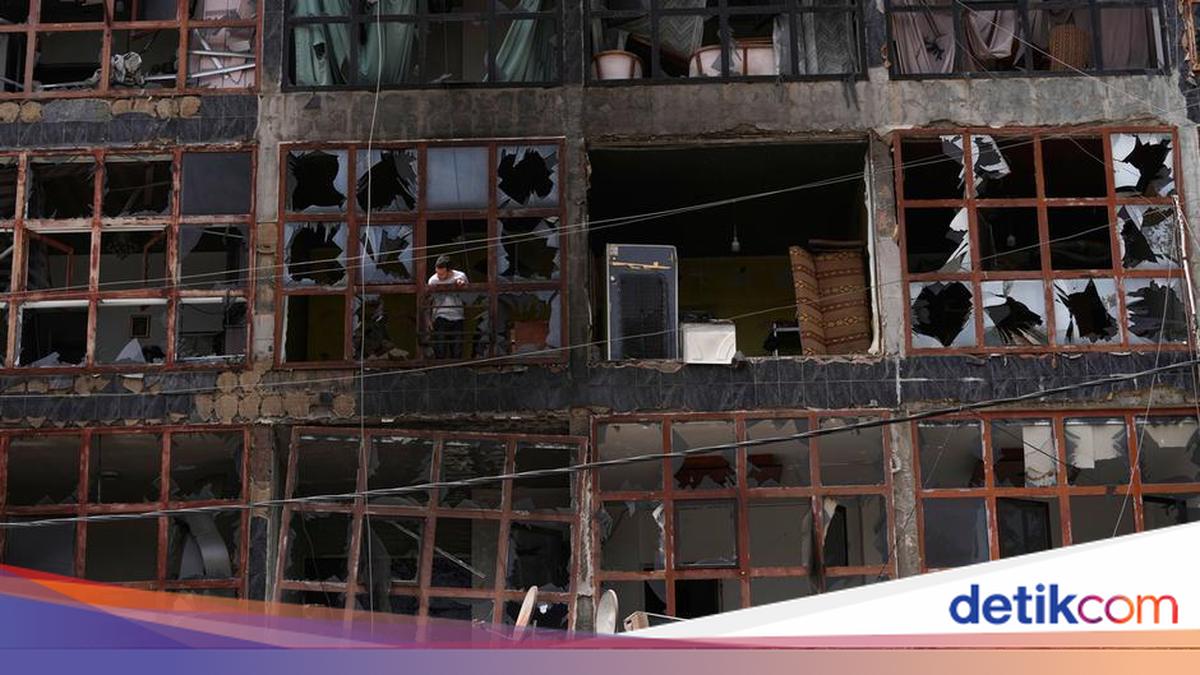
Lebanon was drawn into a wider Middle Eastern conflict in early March when the Iran-backed militant group Hezbollah attacked Israel in retaliation for US and Israeli strikes on Iran. Israel responded with strikes across Lebanon and subsequently invaded the country’s south, where Israeli forces remain stationed. Beirut is pursuing US-mediated negotiations with Israel as a means to achieve peace. Lebanese leaders, including President Joseph Aoun, have stressed that Tehran cannot negotiate on Beirut’s behalf. However, a temporary peace agreement between the US and Iran includes a cessation of all hostilities, including in Lebanon, a key condition for Tehran that had repeatedly stalled negotiations. Fighting in Lebanon has subsided since Saturday night (20 June), a significant development that had not been achieved sustainably in previous rounds of Lebanon-Israel talks. Israel is not a party to the US-Iran peace deal. Israeli Prime Minister Benjamin Netanyahu stated on Monday (22 June) that the Israeli military would maintain ‘freedom of action’ against Hezbollah in southern Lebanon. ‘Iran wants us to withdraw from the area, but I remain steadfast,’ Netanyahu said. ‘We will maintain our freedom of action and keep a security zone to protect citizens’ in northern Israel. Beirut, meanwhile, continues to insist that the withdrawal of Israeli forces from Lebanese territory is a primary objective of the negotiations. Iranian state media reported on Tuesday (23 June) that technical negotiations between Iran and the US in Switzerland concluded with a proposal to form working groups to address nuclear issues and sanctions relief. According to the state news agency IRNA, Deputy Foreign Minister Kazem Gharibabadi said the envoys ‘decided that four working groups will be formed, namely Sanctions Cessation, Nuclear Affairs, Reconstruction and Economic Development, and Monitoring and Implementation.’ Earlier, US Vice President JD Vance stated on Monday that Iran intends to allow International Atomic Energy Agency (IAEA) inspectors back into the country, though no timeline has been set. Vance made the remarks after talks with the Iranian delegation at the Bürgenstock resort complex in Switzerland. However, Iran has not confirmed the plan. Foreign Ministry spokesman Esmaeil Baghaei said any decision to readmit IAEA inspections must first be coordinated with parliament and the Supreme National Security Council. US President Donald Trump has also renewed pressure on Iran to grant IAEA access. The UN nuclear watchdog has been unable to access Iran’s uranium enrichment facilities since the Israeli and US strikes in June. Tehran has also asserted that it will maintain administrative control over the Strait of Hormuz and ‘will never’ return to pre-war conditions, state media reported on Tuesday (22 June). ‘All parties must know that the administration of the Strait of Hormuz will never return to pre-war conditions,’ Iran’s chief negotiator Mohammad Bagher Ghalibaf said in an interview, according to IRNA. ‘Of course, international regulations will still be observed, but Iran will manage the Strait of Hormuz.’ The statement contradicts demands by US President Donald Trump, who has called for the unconditional reopening of the strait to shipping traffic. Since the temporary US-Iran peace agreement took effect, ship traffic in the strategic waterway has increased. However, Tehran’s announcement on Saturday (20 June) that the strait was being closed again in response to Israeli strikes on Lebanon has raised questions about Iran’s long-term plans. It also remains unclear whether Tehran intends to impose tariffs on vessels transiting the Strait of Hormuz. Before the war, passage through the strait, which borders Iran and Oman, was free. However, last month Iran established a new government authority to collect payments from ships, stating that vessels were still expected to register with the Persian Gulf Strait Authority before transiting. The closure of the Strait of Hormuz during the Iran war disrupted one of the world’s key supply routes and triggered a spike in global oil prices that fuelled inflation.