
Iran: International Markets Could Be Devastated if Israel Attacks Again
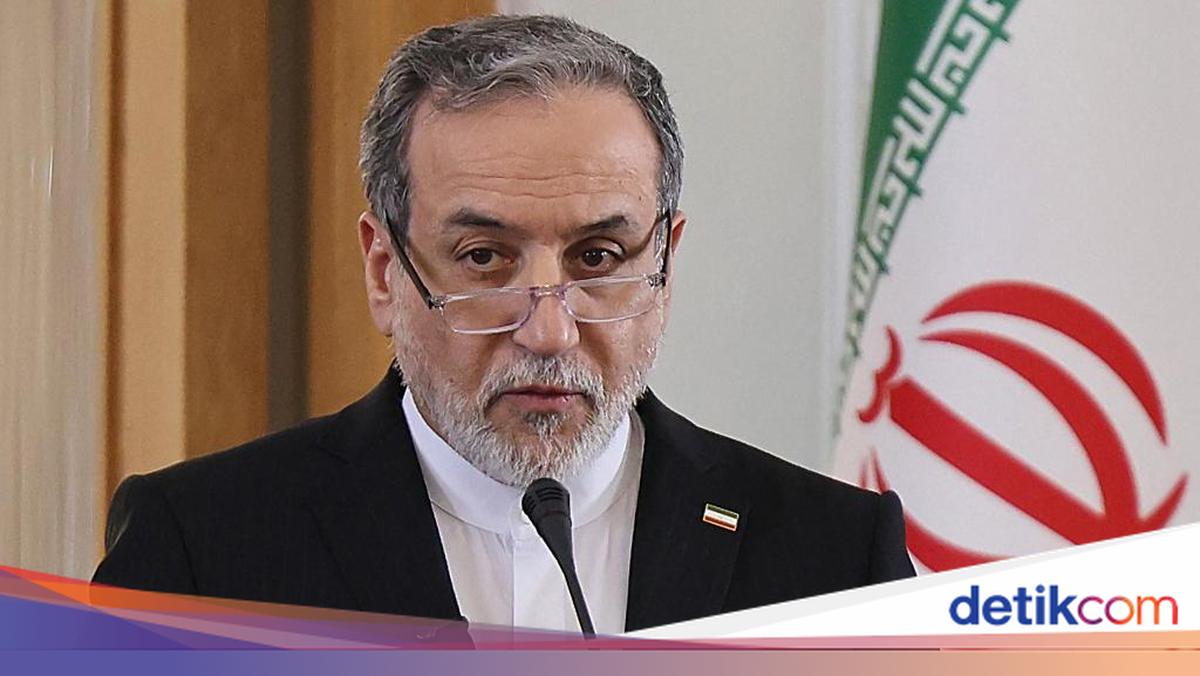
Iran has warned of “devastating” economic consequences if Israel launches another attack on Tehran. The warning came as votes were still being counted in Tel Aviv following the 27 October legislative election, which could shape the future of the regional war.
Iranian authorities also said they were discussing with mediators, including Qatar and Pakistan, ways to implement a ceasefire plan to end the conflict and reopen the Strait of Hormuz, which is strategically important to global oil and gas supplies, AFP reported on Thursday (29 October 2026).
Under Israeli Prime Minister Benjamin Netanyahu, who has vowed to overthrow Iran’s regime, the two countries have entered direct war for the first time in history, after decades of hostility.
The crucial election on Tuesday (27 October) gave Israelis an opportunity to pass judgement on Netanyahu’s right-wing government, amid growing threats from Israel and the United States to attack Iran again after war broke out in late February.
“The devastating impact on international markets that could arise from an Israeli-instigated military adventure in the Persian Gulf remains a primary concern for both gas suppliers and consumers,” Iranian Foreign Minister Abbas Araghchi said in a statement on social media platform X.
The statement referred to discussions held on the sidelines of a recent summit of the Gas Exporting Countries Forum in Moscow, the Russian capital.
Since the war began, energy shipments from Gulf countries have been severely disrupted after Iran blockaded the Strait of Hormuz, through which one-fifth of the world’s oil and liquefied natural gas passed before the war. Tehran has restricted maritime access and frequently attacked ships attempting to pass without its permission.
In response, the United States imposed a naval blockade on Iranian ports in an effort to pressure the country’s economy.
On Wednesday (29 October), leading US newspaper The Wall Street Journal reported that the United States had asked several Arab Gulf states to prepare for the possibility of a “short but intense military operation” against Iran, which was expected to be launched after the midterm elections on 3 November.
However, citing sources familiar with discussions in Washington, the newspaper said US President Donald Trump had not yet made a final decision.
Araghchi said on Wednesday (28 October) that Iran was discussing a plan with mediators to end the war and reopen the Strait of Hormuz.
“Although our brave Armed Forces are fully prepared to defend our homeland, Iran is still giving diplomacy a chance to succeed,” the Iranian foreign minister said in a statement on X.
“We continue to maintain close and ongoing communication with the mediating parties to review ideas that could ensure implementation of our ‘Seven-Day Plan’ in less than a week,” he said.
Trump had previously rejected a plan put forward by Tehran last September.
At the time, Araghchi said the Strait of Hormuz would be reopened within seven days under the plan if “necessary conditions” were met, including a ceasefire across all fronts in the Middle East.
Iran is also demanding the unfreezing of its assets held overseas, the lifting of sanctions on its oil sector and an end to the US naval blockade.