
Iran Insists on Holding Control in Strait of Hormuz Talks with Oman
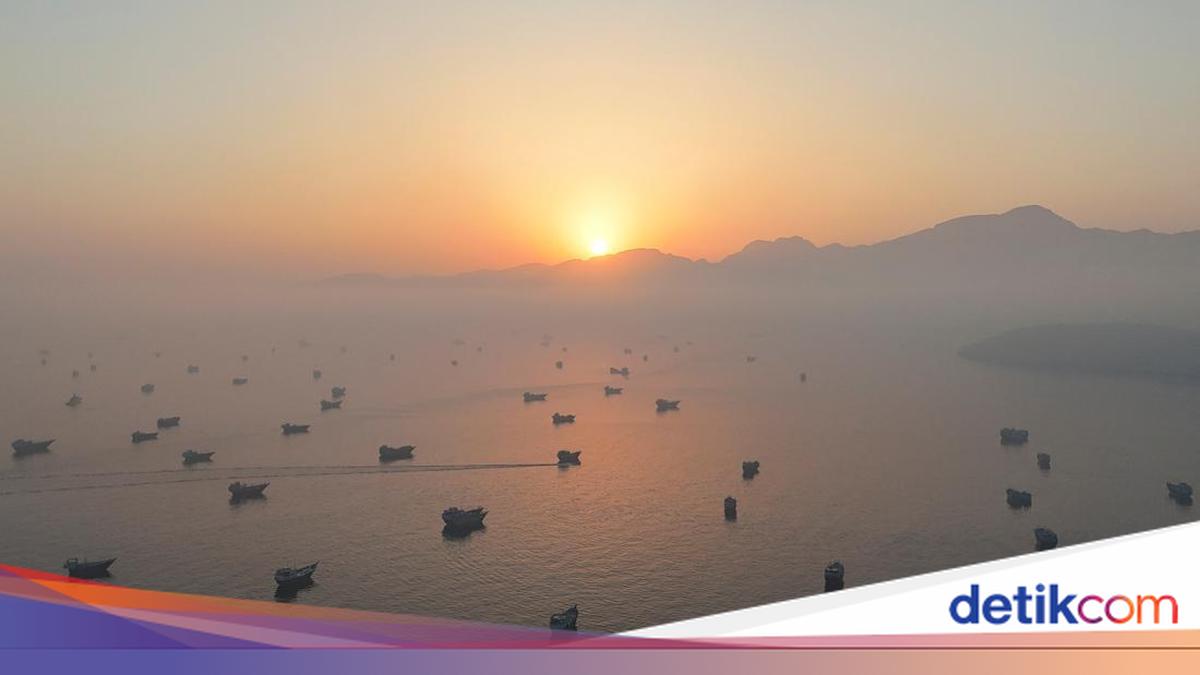
Iran has held its latest talks with Oman on the Strait of Hormuz, given that both countries’ territories border the strategically vital waterway. The Iranian authorities have put forward a provisional arrangement proposal to Oman for reopening the Strait of Hormuz.
However, in its proposal, as reported by Reuters and Anadolu Agency on Wednesday (29 July), Iran insisted that one-way maritime traffic through the Strait of Hormuz must traverse Iranian waters, and that part of the route in the opposite direction would also pass through Iranian waters.
Such a proposal means Tehran is determined to assert primary control over shipping activity in the Strait of Hormuz, a vital waterway for global energy supplies that has been affected by the war between Iran and the United States.
Iran’s Deputy Foreign Minister, Kazem Gharibabadi, speaking to Tehran’s state television on Tuesday (28 July), said that Oman had also proposed an equal division of shipping routes to replace the current north and south routes used for transiting the Strait of Hormuz.
According to Gharibabadi, however, Iran rejected Oman’s proposal, which offered 50 per cent control to Iran and 50 per cent to Oman. The reason, he said, was that such a plan does not address Iran’s security concerns until long-term regional stability is achieved.
“Our proposal is that one shipping lane through the strait must be fully under Iranian control, with part of the other lane also under Iranian control. This is our firm position, and Iran will not accept any other formula,” Gharibabadi said in his statement.
He stressed that the Strait of Hormuz would remain closed if Oman rejects Iran’s proposal. Gharibabadi also said Iran is prepared to face the possibility of conflict flaring up again in the region.
Gharibabadi added that Tehran no longer recognises the Traffic Separation Scheme (TSS) in the Strait of Hormuz. According to the Deputy Foreign Minister, shipping lanes under the TSS lie mostly in Omani waters and are at odds with Iran’s need to monitor vessels passing through following the outbreak of war.
For Tehran, Gharibabadi said, the TSS currently adopted by the International Maritime Organization (IMO) cannot be used due to the risk of mines, and it has been replaced by Iran’s northern route and Oman’s southern route.
“This is for national security and is not an act of intimidation, because for 60 years the TSS was in Omani waters and we never took issue with it,” Gharibabadi said.
Source: jawawa.id (https://jawawa.id/newsitem/iran-insists-on-holding-control-in-strait-of-hormuz-talks-with-oman-1785308007)
Originally published by detikcom (https://news.detik.com/internasional/d-8595204/bahas-selat-hormuz-dengan-oman-iran-ngotot-pegang-kendali), translated from Indonesian