
Iran in Talks with the US and Saudi Arabia: What Is on the Agenda?
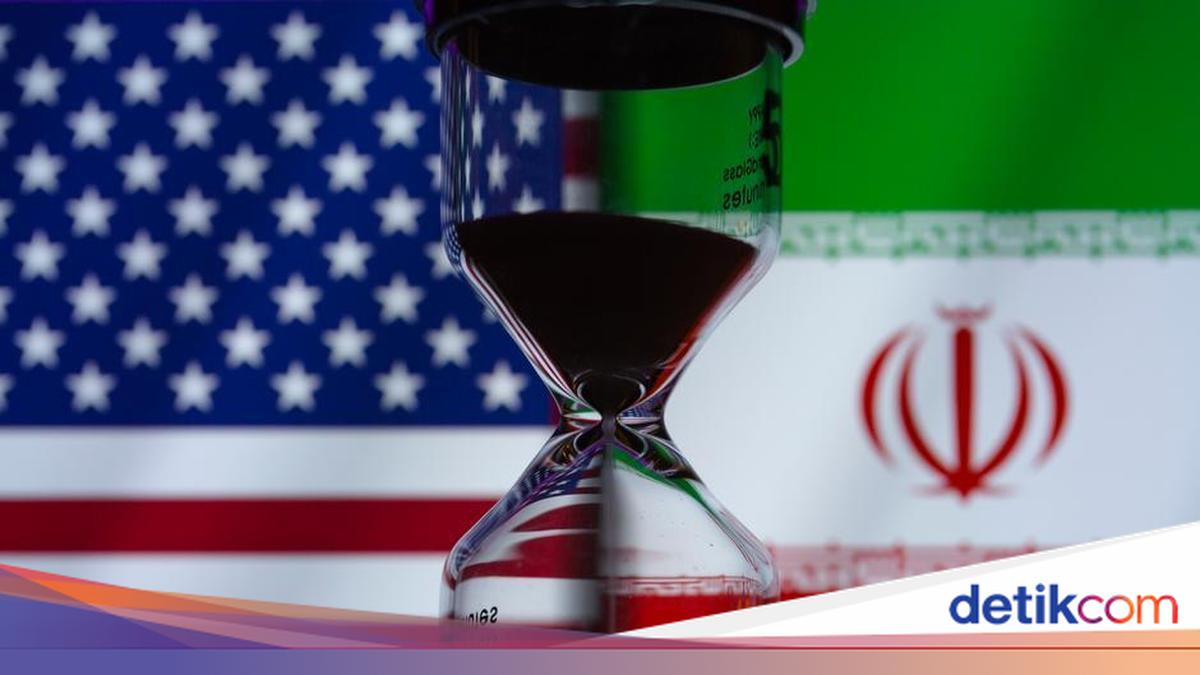
Iran says communication with the United States (US) to end the war is ongoing, although talks mediated by Qatar have yet to produce a breakthrough. Amid military tensions, Tehran has also opened discussions with Saudi Arabia on establishing regional security arrangements without foreign military involvement.
Meanwhile, Saudi oil company Saudi Aramco is exploring additional export routes in anticipation of energy supply disruptions caused by the conflict.
Iranian Foreign Minister Abbas Araghchi said consultations through the mediator were intensive. However, he stressed that the success of the negotiations depended on Washington’s position.
“We have conveyed our requirements and proposals, and everything depends on Washington’s political rationality,” Araghchi said on Monday (2 November), according to Iran’s state news agency IRNA.
Iranian Foreign Ministry spokesman Esmaeil Baghaei said the seven-step proposal submitted by Tehran in September remained the basis for the talks. The proposal has now been shortened so that it can be implemented within two days.
The plan includes ending the US blockade of Iranian ports, reopening the Strait of Hormuz, lifting restrictions on Iranian oil sales and cancelling new sanctions against Tehran. The two countries are then expected to discuss other issues.
However, Iran has said that talks on its nuclear programme can begin only after all its requirements have been met. Baghaei also denied that discussions had taken place about possibly transferring Iran’s highly enriched uranium stockpile to another country.
US President Donald Trump rejected the seven-step proposal in September. On Monday, Trump said Iran wanted to reach an agreement to end the war, adding that a deal “could happen”.
Iran and Saudi Arabia explore regional security arrangements
While negotiating with Washington, Iran is also continuing talks with Saudi Arabia on establishing new security arrangements in the region.
Araghchi said Tehran wanted a regional security mechanism involving countries in the region, without foreign military interference.
“Talks between Iran and Saudi Arabia are ongoing,” Araghchi wrote on the social media platform X on Tuesday (3 November).
The previous week, senior officials from Saudi Arabia, Turkey and Pakistan met Iranian officials in Tehran. The meeting was the first high-level contact between Iran and the three countries since August.
The Saudi government said the visit was intended to open a negotiating channel to “prevent a return to military escalation”.
Regional tensions have also risen following attacks by the Houthi group on Saudi Arabia. The Iran-aligned group was reported to have stepped up its attacks as it moved towards the Bab el-Mandeb Strait, a strategic shipping route on the other side of the Arabian Peninsula from the Strait of Hormuz.
The Houthis have also attacked oil facilities and an airport in Saudi Arabia, including Riyadh International Airport. The attacks disrupted flights and oil exports, prompting Riyadh to respond with air strikes in Yemen.
China and Russia have called for a diplomatic settlement to prevent the conflict from escalating again. Chinese Foreign Minister Wang Yi urged all parties to prioritise a political solution rather than resorting to military force again.
Russia also expressed serious concern over reports of possible new military action against Iran and called for greater diplomatic efforts.
Aramco explores alternative export routes
In the energy sector, Saudi Aramco is exploring additional export routes and overseas capacity, including the possibility of expanding its East-West pipeline network.
Saudi Aramco chief executive Amin Nasser said the company was also ready to increase production quickly if circumstances required.
Aramco has traditionally exported crude oil through terminals in eastern Saudi Arabia on the Gulf, as well as through terminals on the Red Sea coast via the East-West pipeline network.
The US-Israeli war against Iran has reduced Aramco’s output. However, higher oil prices are said to have offset the decline in production volumes.
On Monday (2 November), global oil prices fell by almost 4 per cent amid hopes that the latest mediation efforts could lead to a diplomatic settlement. Nevertheless, several Iranian sources said the possibility of a new US attack remained greater than the prospect of an agreement.
Trump previously said there would be no new attacks on Iran before the US midterm elections on Tuesday (3 November). Tehran, meanwhile, warned that it would respond aggressively if military attacks resumed.
Risks to global energy supplies have also increased after Qatar’s shipping company Nakilat reported that a liquefied natural gas (LNG) tanker had been struck by an unidentified object in the Gulf on Friday (30 October).
Attacks on oil tankers in the Gulf and the Red Sea have occurred repeatedly during the conflict. However, incidents involving LNG carriers have been reported relatively rarely.
Source: jawawa.id (https://jawawa.id/newsitem/iran-in-talks-with-the-us-and-saudi-arabia-what-is-on-the-agenda-1793764375)
Originally published by detikcom (https://news.detik.com/dw/d-8737509/iran-negosiasi-dengan-as-dan-arab-saudi-apa-agendanya), translated from Indonesian