
Iran Forms Interim Government Amid Threats of War from the United States
Iran’s political situation has entered a critical phase. On Thursday (5 March 2026), Iran’s Deputy Foreign Minister Majid Takht-Ravanchi formally announced the formation of a three-member interim government to lead the country until a new Supreme Leader is elected. The emergency measure was taken in response to the death of Supreme Leader Ayatollah Ali Khamenei.
‘The new body has been formed, consisting of three individuals. They will be fully responsible until the new Supreme Leader is elected. At present, they are working to prepare the groundwork for the election process,’ Takht-Ravanchi told reporters.
The process of selecting a replacement for the late Ali Khamenei is now the top priority. Mohsen Qomi, a member of Iran’s Assembly of Experts, confirmed that the mechanism for electing the new Supreme Leader is proceeding in accordance with the constitution. The Assembly of Experts, a body with special authority to appoint and oversee the Supreme Leader, granted such powers.
Mahmoud Rajabi, a member of the state’s presidium, added that final details on who will occupy Tehran’s throne will be announced soon by the Assembly of Experts’ secretariat in the near future.
Amid the internal transition in Iran, military pressure from the West has intensified. The newspaper Politico reported that the United States is considering a military operation against Iran that could last at least 100 days or until September 2026.
US Secretary of Defense Pete Hegseth was reported to have revised the schedule of the operation against Iran to eight weeks, up from the initial four to five weeks estimated by former President Donald Trump. The change in duration indicates the United States expects greater resistance from Iran.
According to internal Pentagon documents, the United States Central Command (CENTCOM) has requested additional military intelligence officers to its headquarters in Tampa, Florida. The aim is to strengthen intelligence data analysis to support a large-scale operation planned for the Middle East region.
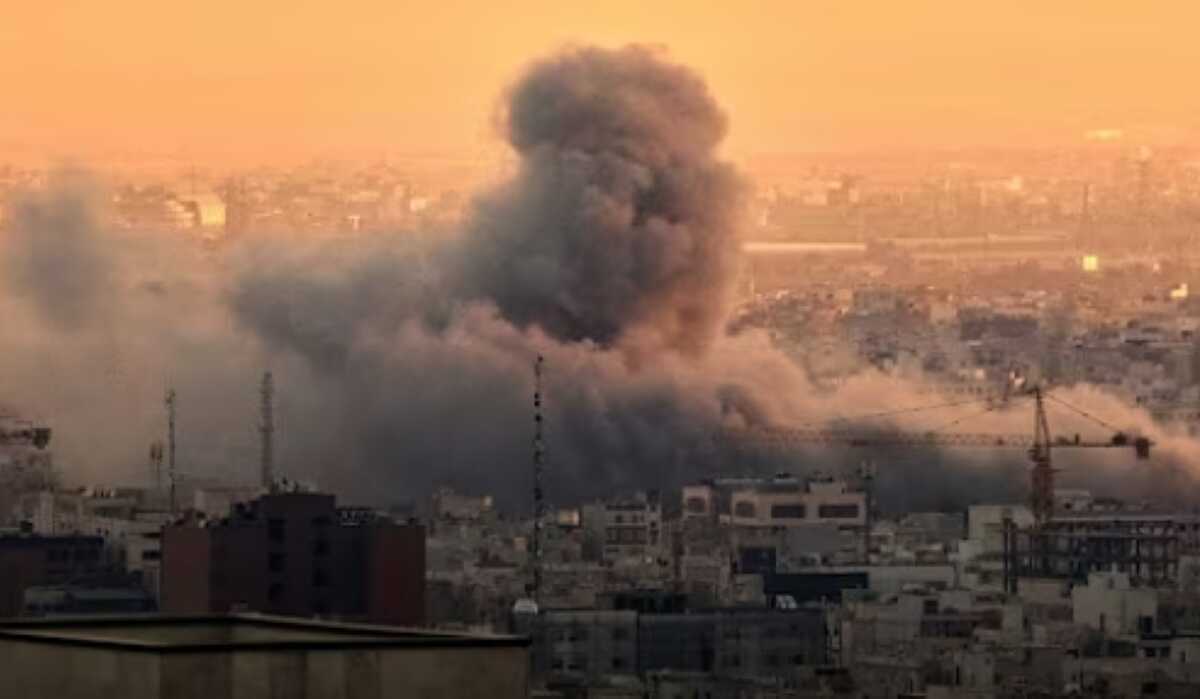
The military tensions stem from airstrikes conducted by the US and Israel on Saturday (28 February 2026) against several strategic targets in Iran, including Tehran. The strikes prompted a massive Iranian retaliation involving ballistic missiles fired at US military bases in Bahrain, Qatar, Kuwait, Iraq, and the United Arab Emirates.
The combination of leadership vacancy following Khamenei’s death and the prospect of a prolonged US military operation places global security stability at high risk, especially concerning world energy supplies through the Strait of Hormuz. (Sputnik/RIA Novosti/Ant/I-2)