
Iran Faces 69 Percent Inflation, Economic Pressure Deepens
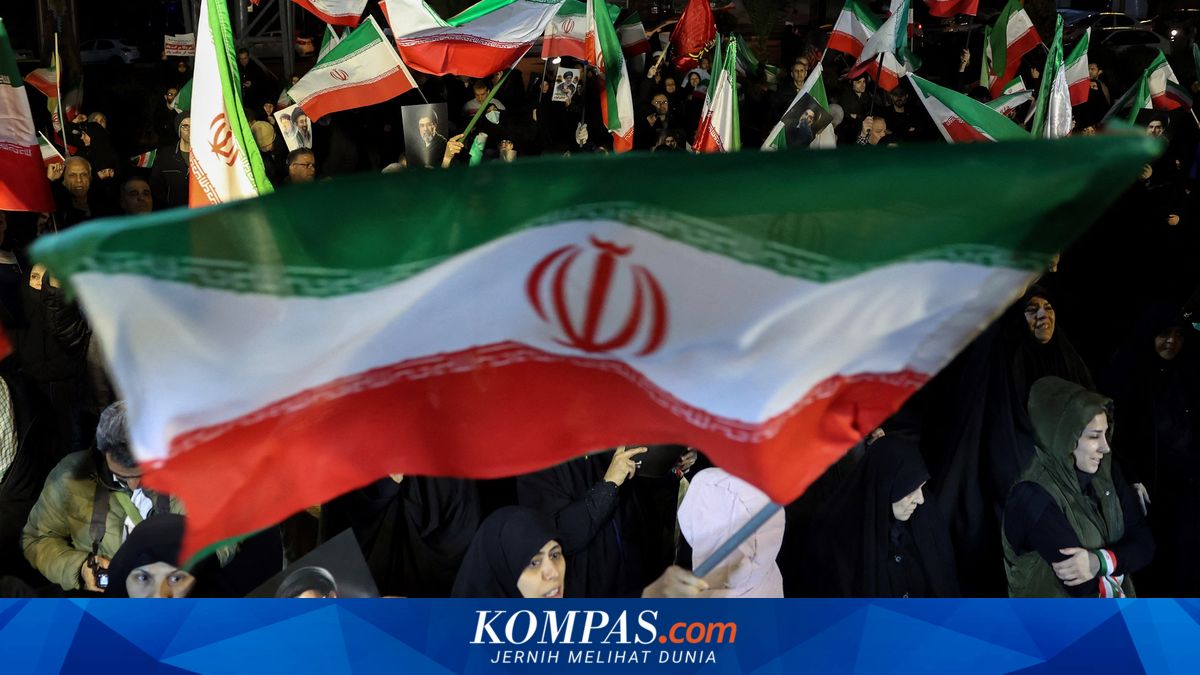
Inflationary pressures in Iran are showing a sharper escalation amid a combination of domestic and external factors burdening the country’s economy. The latest projections from the International Monetary Fund (IMF) even estimate that Iran’s inflation rate could reach 69 percent, one of the highest in the modern history of the nation. The IMF projects that Iran’s inflation will hit 69 percent in 2025, precisely 68.9 percent. The IMF also forecasts a significant contraction in Iran’s economy, with real gross domestic product (GDP) growth once at a negative 6.1 percent level. This situation reinforces the trend of chronic inflation that has long haunted Iran’s economy, where high price pressures run parallel to weakening economic activity. Historically, inflation in Iran is not a new phenomenon. In the long term, the country’s economy is indeed characterised by persistently high inflation. This condition drives an increase in liquidity, which ultimately triggers widespread price rises. Additionally, dependence on oil revenues and weaknesses in the fiscal system worsen the inflation cycle. IMF data also shows that Iran’s fiscal structure is relatively limited, with government revenues around 10.37 percent of GDP and government spending around 14.2 percent of GDP. The gap between revenues and spending reflects fiscal pressures that could drive financing through monetary expansion, which ultimately contributes to inflation. One of the main factors aggravating Iran’s inflation is international economic sanctions, particularly those targeting the oil sector and financial system. These restrictions reduce the country’s foreign exchange earnings while narrowing access to global markets. As a result, supplies of imported goods are disrupted, and production costs rise, ultimately driving up domestic prices. Sanctions also trigger exchange rate instability that accelerates inflation. Furthermore, the escalation of geopolitical conflicts in the Middle East region worsens the situation. The IMF, in various reports, assesses that these conflicts increase global energy prices and deepen inflationary pressures, both at the global and domestic levels.