
Iran Explores Resuming Oil Exports to Japan, Leveraging Sanctions Waiver
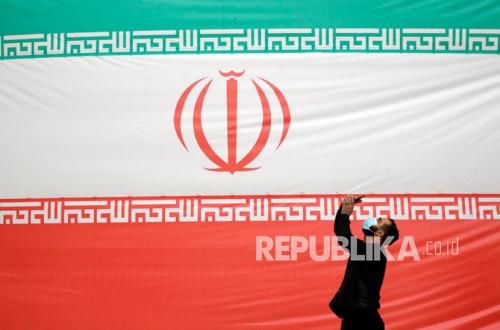
Iran has begun exploring the resumption of crude oil exports to Japan after obtaining a sanctions waiver from the United States. However, prospective buyers in Japan are requesting an extension of the waiver’s validity period and guarantees of shipping security before deciding to resume importing oil from Iran. Citing several sources, the waiver was issued on 22 June as part of 60-day peace talks between Tehran and Washington. The policy is set to expire on 21 August 2026. Two Iranian sources familiar with the discussions said three Japanese companies are considering purchasing crude oil from Iran. If realised, the transaction would be Japan’s first import from Iran since 2019. Meanwhile, an industry source familiar with the process said initial discussions between Japanese and Iranian officials regarding possible oil sales are still ongoing. An official from Japan’s Ministry of Economy, Trade and Industry (METI) said they were not yet aware of such discussions. Japan’s Ministry of Foreign Affairs and the US Department of the Treasury also did not respond to requests for confirmation. Japan, South Korea, India, and several European countries halted imports of Iranian oil after the US tightened sanctions following President Donald Trump’s decision to withdraw from the Iran nuclear deal in 2018. In recent years, China has become the main buyer of Iranian oil. A METI official previously stated that the purchase of Iranian oil is entirely a decision for private companies. However, the official noted there remains uncertainty given the long shipping times and existing supply contracts with other suppliers. Additionally, shipping security is a primary concern. A senior Iranian official said any deal with Japan would require an extension of the US waiver because the sailing time from Iran to Japan is quite long. According to the official, oil shipments would be made via Kharg Island, Iran’s main export terminal, using tankers operated by Japanese companies. A senior official from Iran’s Ministry of Petroleum also said the National Iranian Oil Company (NIOC) has contacted traditional customers, including Japan. Iran conveyed its desire for these buyers to resume importing oil if a peace agreement is reached and sanctions are lifted. Iran’s Ministry of Petroleum has not responded to requests for comment. Nevertheless, shipping security in the Strait of Hormuz remains a challenge. There is still no certainty regarding the shipping mechanism after a permanent peace agreement between Iran and the US is reached. Last week, a container ship was reportedly attacked by Iranian forces in the Strait of Hormuz. Iran’s Revolutionary Guard Corps also stated that all ships passing through the strait must first obtain approval from them. The United Nations shipping agency estimates there are still around 80 sea mines floating in the central part of the Strait of Hormuz. A senior official from one of Japan’s largest oil refining companies said the biggest challenge in the Iranian oil import plan is obtaining insurance coverage for the transport vessels. Meanwhile, several traders and analysts assess that the temporary US waiver is not yet attractive enough for major Asian refining companies that currently have adequate oil supplies. This situation is expected to keep independent refineries in China as the main buyers of Iranian oil.