
Iran Enlists Psychologists to Study Trump's Mind During Peace Negotiations
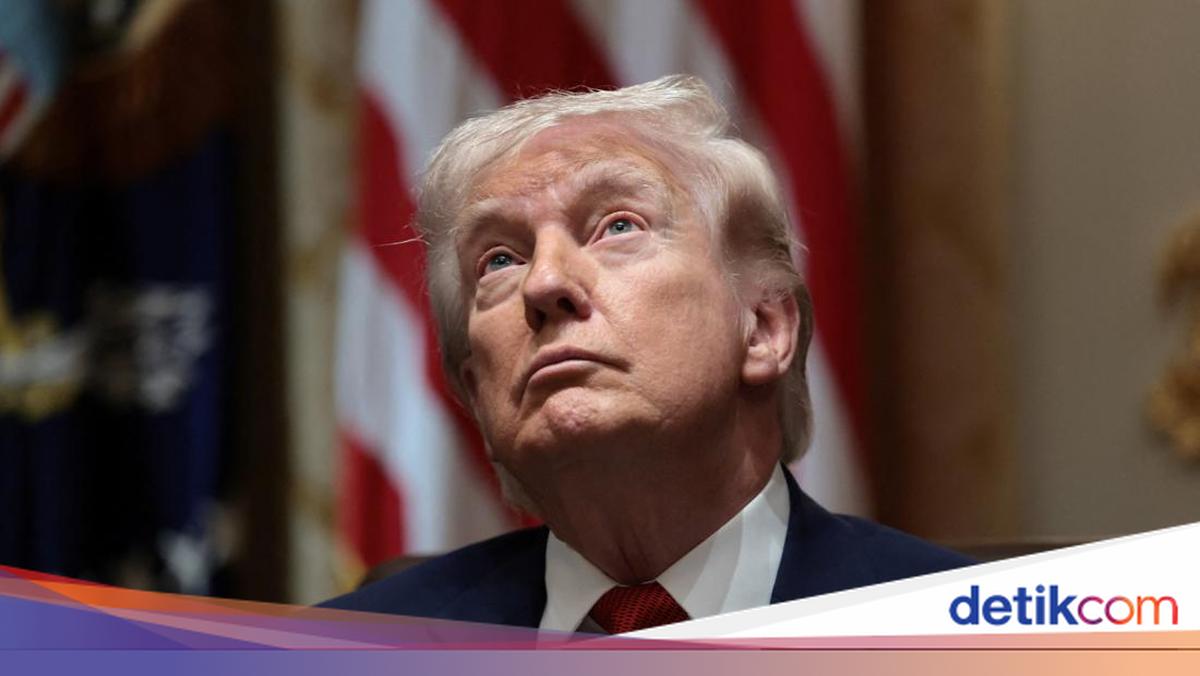
The Iranian government has reportedly involved a team of senior psychologists to study the mind of United States President Donald Trump during the ongoing negotiation process between the two conflicting nations. The senior psychologists were even recruited as part of the Iranian negotiator delegation, which has been conducting indirect talks with the US, mediated by Pakistan, in recent months. This information, as reported by various media outlets such as The Cradle and DropSiteNews on Monday (15/6/2026), was disclosed by an American investigative journalist, Jeremy Scahill, who founded the independent media outlet DropSiteNews. Scahill claimed he obtained the information from Iranian sources regarding how to deal with Trump. He stated that the team of senior Iranian psychologists was involved to assess and shape communication with the US President, whom Tehran believes suffers from a mental disorder. Scahill revealed this to the public several days before the Pakistani mediator announced, on Monday (15/6) morning, that the US and Iran had reached a peace agreement. Speaking on the Breaking Points podcast on 13 June, Scahill said the shift in Iran’s approach was implemented several weeks ago, when the Tehran delegation became convinced that Trump was ‘genuinely mentally ill’ and ‘operating in a disturbed mental state’. The Iranian negotiators told Scahill that the decision was not made ‘haphazardly’, but in response to what Tehran considered a ‘mentally incapable’ leader. After asking the senior psychologists to ‘create a psychological profile’, the Iranian negotiating team began ‘adjusting’ their messages before delivering them to the mediator to be passed on to Trump. ‘We asked the senior psychologists to compile a psychological profile of what they think is happening in Trump’s brain. And we started adjusting our messages by seeking the opinions of the senior psychologists before conveying them to Trump,’ the Iranian sources said, as revealed by Scahill. According to these Iranian sources, the approach yielded results, with the Tehran negotiators describing the process as akin to treating a patient. ‘And they said that we then started to see some progress. They were almost speaking in a clinical context, as if they were dealing with a patient,’ Scahill stated, explaining the information he received from the Iranian sources. There has been no immediate response from Iranian authorities or Tehran’s state news agency regarding these reports. US authorities or the White House have also not commented.