
Iran Destroyed 20 US Military Facilities Since War Began
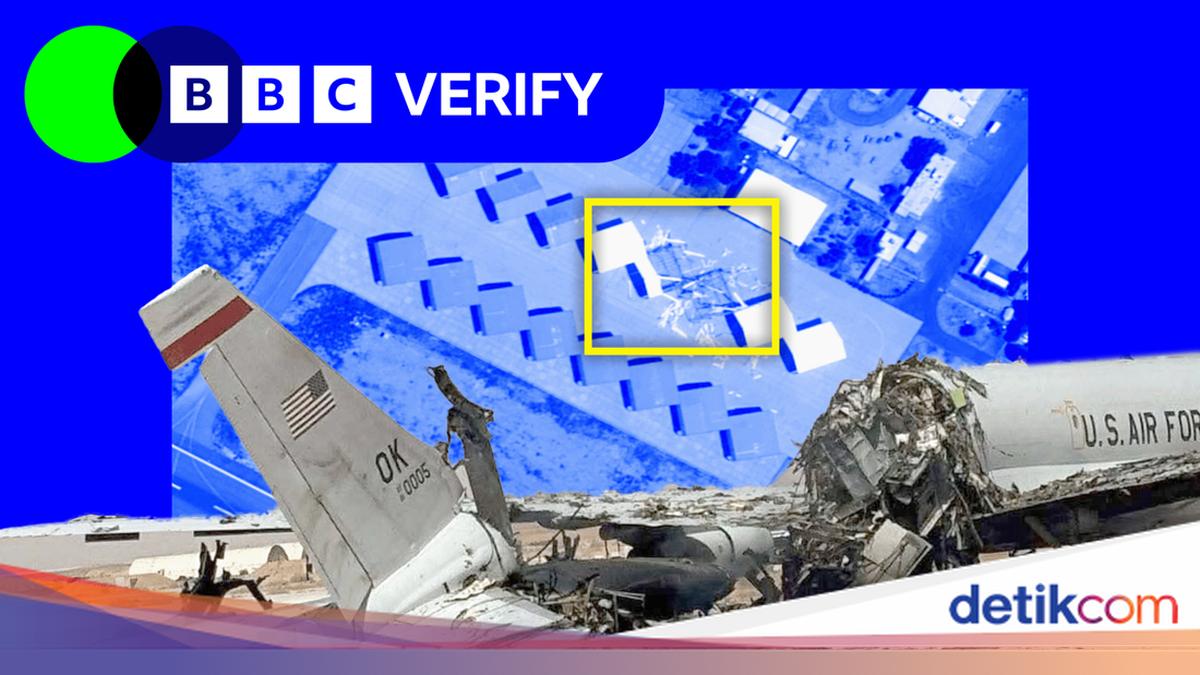
Since the onset of the conflict, Iran has targeted key US facilities across eight countries in the Middle East, including Saudi Arabia, the United Arab Emirates (UAE), Qatar, Kuwait, Iraq, Jordan, Bahrain, and Oman. Some analysts estimate the number of hit military bases could reach as many as 28 points.
This series of attacks has caused millions of dollars in damage to advanced air defence systems, aerial refuelling aircraft, and radar installations. US bases and joint military facilities have remained primary targets following US-Israel strikes in Iran and Lebanon over the past three months. On Tuesday (26/05), Mojtaba Khamenei, currently serving as Iran’s Supreme Leader, claimed that the Middle East is no longer a ‘safe place’ for American military bases.
While the US Pentagon claims to have struck over 13,000 targets in Iran since the start of Operation Epic Fury, and the White House has repeatedly stated that the Iranian military is almost entirely incapacitated, analysts have found that visible damage to US facilities suggests Iranian retaliatory strikes were more precise and widespread than US officials have acknowledged. US defence officials have declined to comment on these findings, citing ‘operational security’.
Efforts have been made by the US to limit satellite imagery and analysis in the conflict zone. Planet, a major satellite imagery provider, was requested to implement an ‘indefinite’ restriction on new images of Iran and much of the Middle East to prevent adversaries from using imagery to target personnel and allies. Consequently, BBC Verify utilised satellite imagery from other international providers combined with historical Planet imagery to track the damage.
Significant US assets have been impacted, including three advanced anti-ballistic missile launcher systems at Al Ruwais and Al Sader airbases in the UAE, and the Muwaffaq Salti Air Base in Jordan. The US is known to operate only eight THAAD (Terminal High Altitude Area Defense) launcher systems globally, each costing approximately US$1 billion to produce. Each launcher requires about 100 personnel to operate, and each interceptor missile costs roughly US$12.7 million per unit.
Vice Admiral Mark Mellett, former Chief of Staff of the Irish Defence Forces, told BBC Verify that these missile systems are the core of a ‘highly complex’ regional defence network that cannot be ‘quickly or easily replaced’. Furthermore, Iranian attacks significantly hit US aerial refuelling and reconnaissance aircraft at Prince Sultan Air Base in Saudi Arabia. Analysts identified a damaged E-3 Sentry reconnaissance aircraft, which US media reports suggest could cost up to US$700 million to replace.
In Kuwait, attacks targeted Ali Al Salem Air Base and Camp Arifjan, where analysts identified destroyed fuel storage bunkers, aircraft hangars, and troop accommodations. At Camp Arifjan, the defence intelligence firm Janes identified extensive damage to satellite communication equipment.
While the total extent of damage remains difficult to quantify, the Pentagon’s May report allocated a total of US$29 billion for Operation Epic Fury, much of which is likely destined for the repair or replacement of destroyed equipment. Democratic politicians have argued this figure is an underestimate. Reports indicate that at least 42 aircraft, including F-15 and F-35 fighter jets, 24 MQ-9 Reaper drones, and an A-10 attack aircraft, have been destroyed or damaged since February.
In terms of strategy, Iran is reported to be using inexpensive, easily replaceable drones. Experts told BBC Verify that Iranian tactics have evolved; rather than relying on massive waves of missiles to overwhelm air defences, Iran has shifted to smaller, more precise strikes. Dr Kelly Grieco, an analyst from the US-based Stimson Center, noted that Iran is conserving its remaining missiles and drones for high-value targets, concentrating attacks where even near-misses can cause severe damage. Analysts from MAIAR suggested the US military appeared to have been caught off guard by this tactical shift during the early stages of the war.