
Iran Demands US Unfreeze Rp 107 Trillion in Assets Held in Qatar
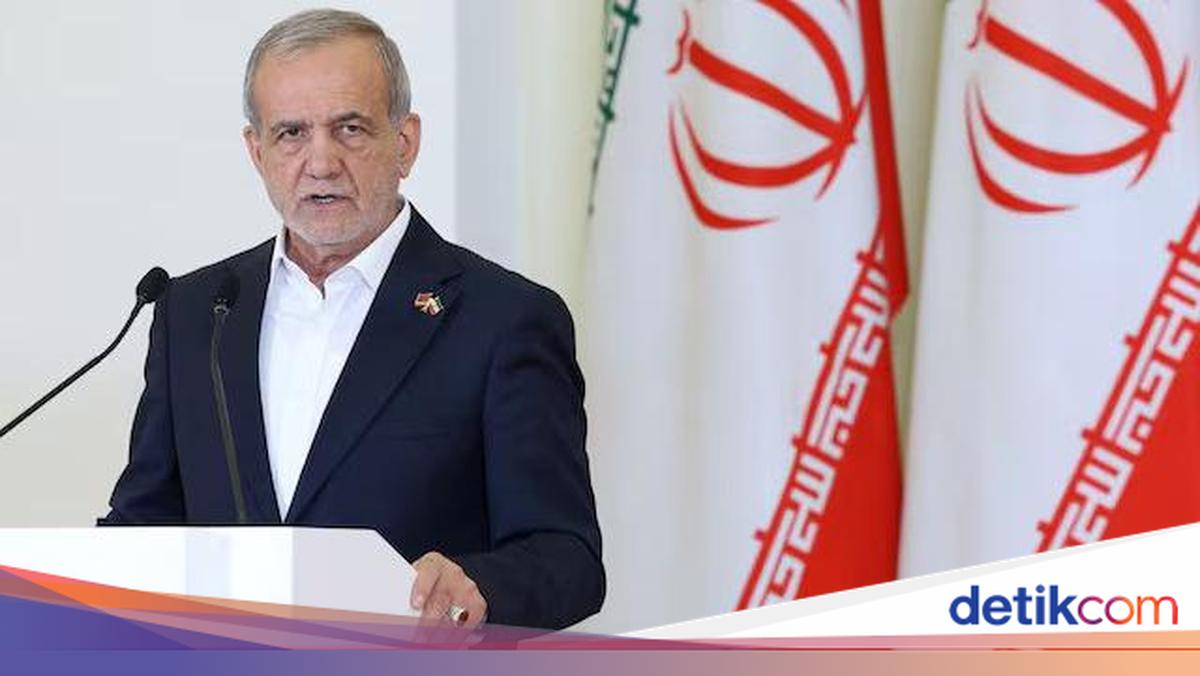
Iranian President Masoud Pezeshkian has called for the realisation of an agreement with the United States, demanding that Tehran’s assets worth US$6 billion, equivalent to Rp 107.4 trillion, frozen in Qatar be immediately released and returned to his country. Pezeshkian made the statement as follow-up negotiations between Iran and the US face new challenges due to renewed mutual attacks occurring after both countries signed a memorandum of understanding (MoU) to end the war. Pezeshkian is the highest-ranking Iranian official to publicly address the release of the assets held in Qatar, which has served as the primary mediator in negotiations between Tehran and Washington. “Based on the established plan, Iran’s assets of US$6 billion, out of a total of US$12 billion held in Qatar, should be released and returned to this country,” Pezeshkian said in his statement. He added that necessary follow-up measures are being taken for the return of the remaining funds. So far, US officials have stated that no Iranian assets have been released. Pezeshkian also described the MoU signed by Iran and the US as a major victory for the Iranian people, adding that sanctions related to oil and petrochemicals have been lifted in accordance with the memorandum. Two weeks ago, Iran and the US signed the MoU to end the war, covering a cessation of hostilities on all fronts, including Lebanon, the lifting of the US naval blockade on Iranian ports, and the reopening of the Strait of Hormuz for global energy supplies. However, the follow-up negotiations are now facing obstacles after tensions escalated again due to disputes over the Strait of Hormuz. Iran launched missile and drone attacks targeting Bahrain and Kuwait, which host US military assets, on Sunday local time, claiming the strikes were retaliation for Washington’s latest bombardment of targets in southern Iran. Meanwhile, the US accused Iran of violating the ceasefire by attacking a cargo ship in the Strait of Hormuz, claiming its forces launched strikes in response to unprovoked aggression by Iranian forces against commercial shipping. Despite this, conflict mediators have established communication channels to de-escalate tensions arising from the various incidents, and technical talks between Iran and the US are said to be continuing.