
Iran Deal Splits Republican Party, Trump Under Fire
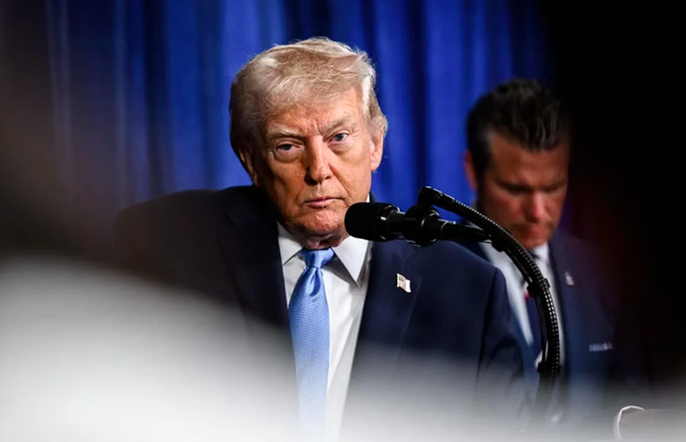
The agreement reached by President Donald Trump with Iran has sparked a wave of criticism from within the Republican Party itself. Several conservative figures assess that the deal is far from the absolute victory Trump had long promised and could potentially allow Tehran to rebuild its economic and military strength.
The Memorandum of Understanding (MoU) signed by Trump in France aims to end the prolonged conflict in the Middle East, reopen the Strait of Hormuz, and stabilise global energy markets following a war that triggered a spike in oil prices and fears of a wider regional crisis.
However, the contents of the deal have drawn fierce reactions from Republican politicians who, for years, were the main opponents of the Iran nuclear agreement reached under President Barack Obama in 2015. They argue Washington has granted too many concessions to Tehran, ranging from sanctions relief and renewed access to international oil markets to the possibility of securing a US$300 billion reconstruction fund.
Senator Bill Cassidy was among the most vocal critics, calling the agreement the worst foreign policy blunder in decades. “Ronald Reagan would be rolling in his grave,” Cassidy wrote on social media platform X. “Before the war, the Strait of Hormuz was open, Iran was crippled by sanctions, and 13 American service members were alive. Now 13 Americans are dead, the public is paying dearly for fuel, sanctions are lifted, and the bombing has stopped.”
Senate Armed Services Committee Chairman Roger Wicker echoed similar sentiments, stating that the MoU’s contents contradict the objectives Trump previously outlined. Wicker highlighted the planned US$300 billion reconstruction fund for Iran, which he argued far exceeds the benefits Tehran gained under the Obama-era nuclear deal.
Trump defended the agreement as a realistic solution to reopen one of the world’s most critical energy chokepoints, noting that roughly one-fifth of global oil supplies typically transit the Strait of Hormuz. He also stressed that the deal is not final and that the United States retains the option to resume military strikes if further negotiations fail. Nonetheless, observers note that Trump appears to have softened his demands; during the conflict, he had called for Iran’s total surrender and the complete dismantling of its nuclear programme.
Under the latest agreement, Iran is only required to keep the Strait of Hormuz open during a 60-day negotiation period. In exchange, Tehran receives sanctions relief allowing it to resume selling oil on international markets. The deal also merely reiterates Iran’s commitment not to develop nuclear weapons, without mandating an immediate halt to uranium enrichment or the surrender of existing enriched uranium stockpiles.
Senator Ted Cruz warned against providing substantial financial aid that would ultimately strengthen Iran. “I do not want theocratic Islamists who want to kill us to become stronger. If this deal gives them US$300 billion, that is a mistake,” he said. Senator John Cornyn expressed concern that the agreement might only serve as a temporary pause, enabling Iran to rebuild its military capabilities and continue its enrichment programme.
Senate Majority Leader John Thune adopted a more cautious stance, urging the administration to clarify whether the deal substantively addresses Iran’s nuclear programme, ballistic missile development, and support for militant groups.
Despite the backlash, not all Trump allies rejected the move. Senator Lindsey Graham opted to give the diplomatic track a chance. “This deal opens the Strait of Hormuz, halts hostilities, and provides space to test whether diplomacy can constrain Iran’s nuclear ambitions. I doubt they will succeed on the nuclear issue, but there is no harm in trying,” he said.