
Iran Conflict Drives Drug Shortages and Soaring Prices
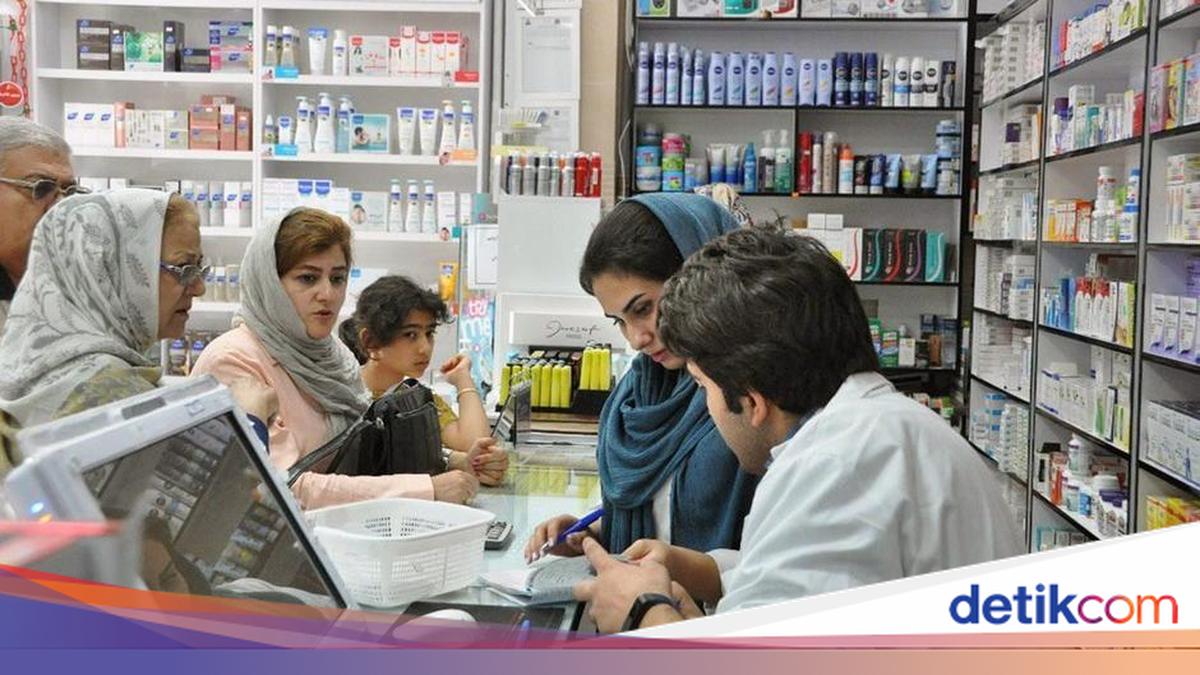
Sanctions, currency exchange rates, and prolonged pressure on insurance companies have made access to healthcare in Iran difficult for years. Now, the war launched by the United States and Israel appears to be worsening the situation by disrupting regional distribution routes, damaging parts of Iran’s healthcare infrastructure, and adding new pressures on the already fragile pharmaceutical market.
The impact is already felt in the daily lives of many Iranians: patients searching multiple pharmacies for medication, and doctors seeing patients stop filling prescriptions due to inability to pay.
Supply chains and sanctions
For a country like Iran, which still relies on imported raw materials and foreign-produced medicines for part of its pharmaceutical system, distribution delays and rising transport costs quickly trigger domestic shortages and price hikes.
However, transportation is only part of the problem. Although medicines are technically exempt from sanctions, banking and payment restrictions still make procurement slow, complex, and expensive.
Financial pressures have affected Iran’s pharmaceutical sector for years. In wartime, the impact is far more severe. Rising prices, supply chain disruptions, infrastructure damage, and declining purchasing power now compound each other.
Iranian officials attempt to show the situation remains under control by stating that strategic reserves and domestic production have prevented total collapse. However, accounts from patients, doctors, and industry players paint a more worrying picture.
Hadi Ahmadi, spokesperson for the Iranian Pharmacists’ Association, warned that the war could trigger new shortages of materials needed for pharmaceutical production, including aluminium and petrochemicals.
Even if current medicine stocks remain available, future production could become increasingly difficult if industrial raw materials and packaging supplies start to run short.
Patients begin to give up
The effects are visible in clinics and pharmacies. A general practitioner in Iran told DW that some medications have practically disappeared since the war began, while others are only occasionally available or sold at sharply increased prices.
A cardiologist in Iran said drug prices have risen so high that some patients are choosing to stop buying necessary medications.
One of his patients mentioned that a pharmacy keeps the antiplatelet drug Osvix in a safe. The medication, previously scarce, is now available but so expensive that many cannot afford it.
Although these are individual experiences, collectively they reflect a broader pattern. The crisis is no longer limited to rare or specialised medicines; everyday treatments are also being affected.
Struggling to access treatment
A relative of an elderly diabetic patient in Rasht, northern Iran, said insulin is now rationed and sold at six times last week’s price.
Another patient requiring daily medication for chronic illness told DW they only have an 18-day supply left.
‘For six weeks, I’ve been searching from one pharmacy to another hoping to find it, and every time the answer is the same: ’We don’t have it,’ they said.
‘I only need one type of medicine, but even that is causing me stress. I can’t imagine the suffering of those who need multiple medications, or those living with serious or incurable conditions.’
Some patients now use social media and private messaging groups to share information about pharmacies still holding specific drug stocks.
Before the war, some families relied on relatives abroad to send medicines from neighbouring countries or Europe via informal channels. But with increasingly strict restrictions and weakened communication channels, even this backup option appears to be closing.