
Iran Collides with Russia-Ukraine War on the World's Largest Lake
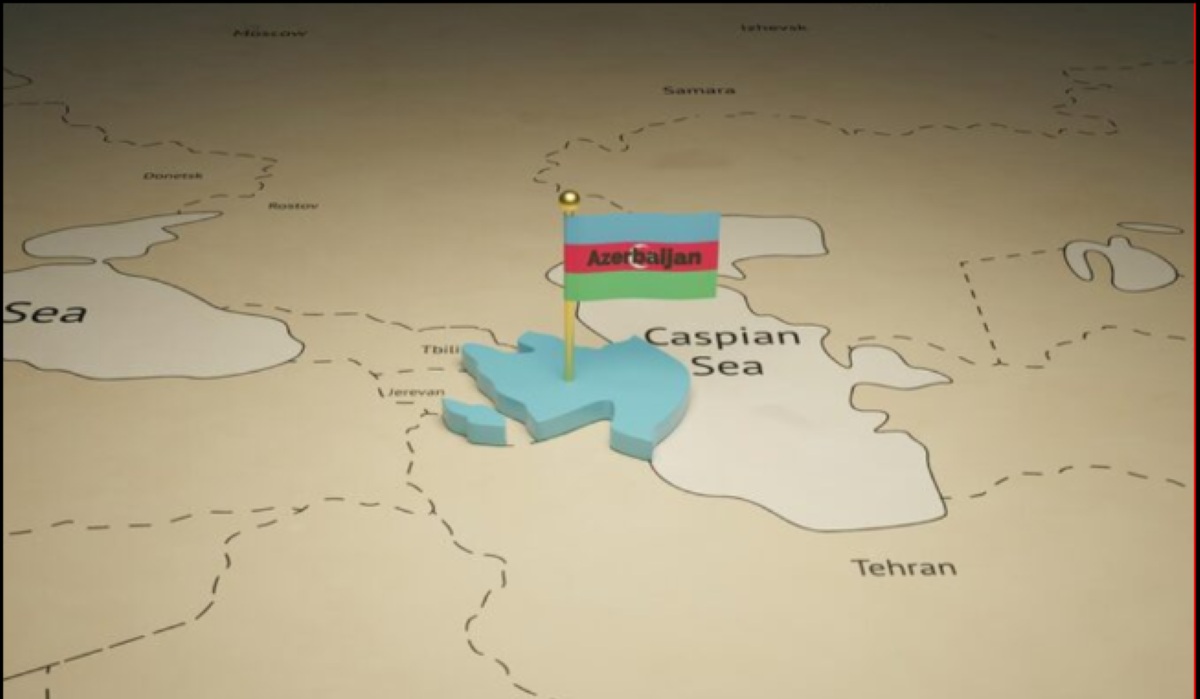
THE CASPIAN Sea has now been dragged into the vortex of the conflict involving Ukraine, Russia and Iran. The region, long regarded as a safe route for the strategic relationship between Moscow and Tehran, became the target of Ukrainian drone attacks over the weekend.
The Ukrainian government stated that its drones successfully struck two Russian ships carrying military cargo in the Caspian Sea, the world’s largest inland body of water. Ukraine asserted that both ships had only just departed from Iran, heading for a Russian port.
In a post on the social media platform X on Saturday, Ukrainian President Volodymyr Zelensky confirmed that the targets of the attack included vessels involved in transporting military cargo from Iran as well as a warship. Ukraine’s security service subsequently identified the warship as a Russian missile boat.
Iran offered a different account, stating that one of its commercial vessels carrying an iron cargo was struck. The incident was reported to have killed one sailor and injured three others.
The unnamed vessel was sailing from the Russian port of Astrakhan towards Anzali in Iran. The Iranian regional governor, Hadi Hagh-Shenas, described the route as a safe and reliable corridor for commercial exchange between the two ports.
Tensions rose on Monday (27/7) when the spokesman for Iran’s Ministry of Foreign Affairs, Esmail Baghaei, warned that Ukraine’s dangerous adventurism would not be left unanswered. As a form of protest, Ukraine’s chargé d’affaires in Tehran was also summoned by the local foreign ministry.
The Caspian Sea, which borders five countries including Iran and Russia, now carries new significance as a major trade route, particularly following the blockade of Iranian ports in the Persian Gulf and the Gulf of Oman.
Bijan Khajehpour, a managing partner at the consultancy firm Eurasian Nexus Partners, noted that the Caspian Sea supports Iran’s diversified trade strategy, especially with Russia, the Caucasus and Central Asia. “It is a strategic complement, not merely a substitute for Iran’s maritime access in southern waters,” he said.
For Russia, the Caspian Sea is a critical route in its strategic partnership with Tehran, encompassing military components, the civilian nuclear programme and oil exploration. The route is also considered less vulnerable to international sanctions because of its landlocked location, beyond the reach of Western naval forces.
The Caspian Sea has become the main route for the developing military relationship between Moscow and Tehran. Russia is reported to have received the first wave of Shahed attack drones from Iran via this route at the start of the war in Ukraine.
In 2024, intelligence reports and the US Department of the Treasury identified Russian cargo vessels, such as the Port Olya-3, being used to transport close-range ballistic missiles (CRBMs) from Iran to Russia. Nevertheless, Iran has consistently denied providing military assistance to Russia for use in the war in Ukraine.
The Ukrainian drone attacks in the Caspian Sea demonstrate Kyiv’s improved long-range strike capabilities as well as an effort to disrupt the industries supporting Russia’s war machine. The move is also viewed as an acknowledgement that Iran plays a significant role in supplying weapons to Russia.
The timing of the attack is considered diplomatically astute, given that President Zelensky is scheduled to travel to Washington this week to meet President Donald Trump. Beyond the Caspian strikes, Zelensky also claimed that Ukrainian intelligence had found evidence that Russia provided satellite data to Iran for attacks on US facilities in the Middle East, a message affirming that Ukraine and the United States stand on the same side in facing global threats. (CNN/I-2)